A powerful winter blizzard is disrupting air and ground travel across the Boston region, forcing hundreds of flight cancellations at Boston Logan International Airport and triggering widespread travel restrictions as heavy snow and strong winds create hazardous conditions across the Northeast.
The storm system, classified as a major nor’easter, is delivering up to 1–2 feet of snow in parts of eastern Massachusetts, grounding aircraft, slowing public transit, and prompting state officials to declare emergencies as authorities urge residents to avoid non-essential travel.
Air travel grinds to a halt at Boston Logan
Airlines canceled hundreds of departures and arrivals at Boston Logan International Airport as snowfall intensified overnight, with additional delays expected to continue into the following day as crews work to clear runways and reposition aircraft.
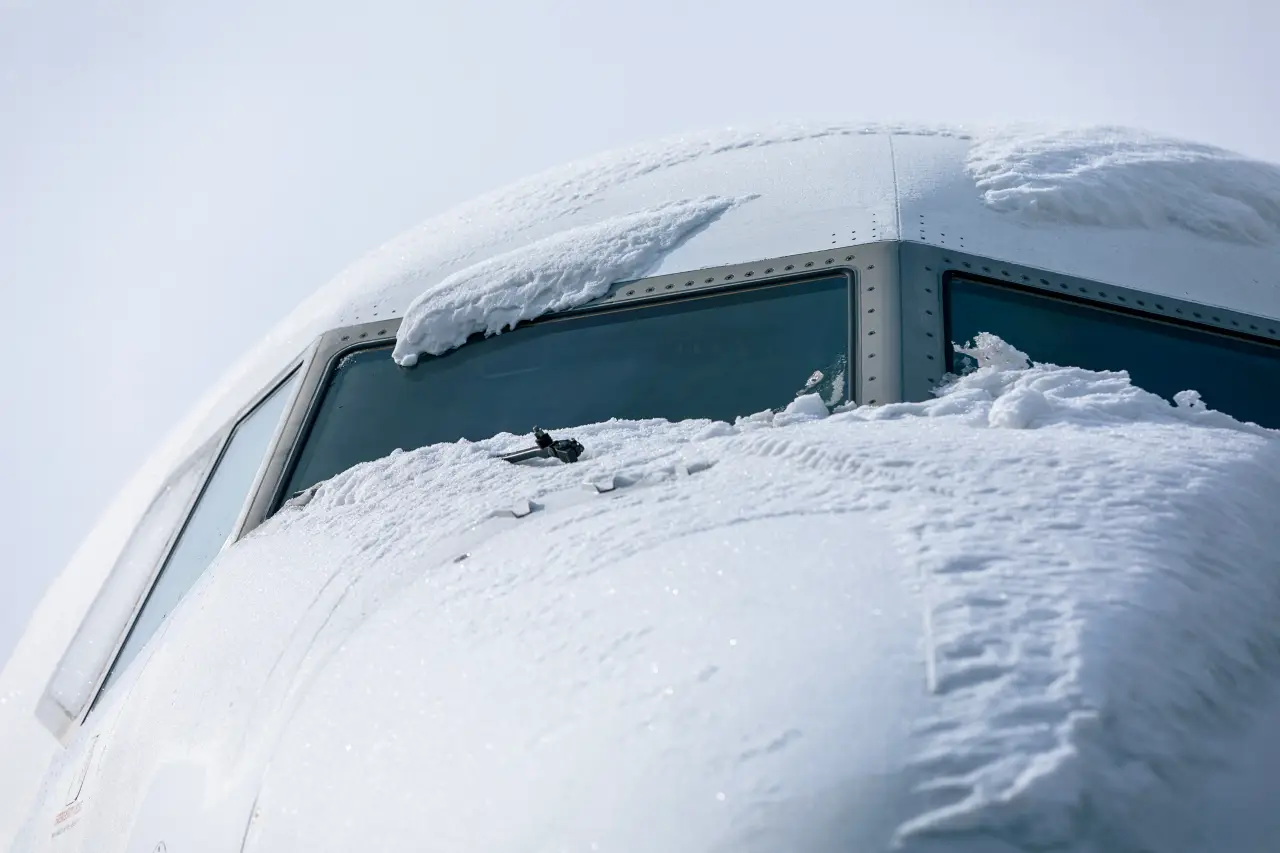
Major U.S. carriers implemented flexible rebooking policies, allowing passengers to change travel dates without fees as weather conditions made normal operations impossible. Airport officials warned travelers to check flight status before heading to terminals, citing rapidly changing conditions and ongoing de-icing challenges.
The disruption extended beyond Boston, with airports in New York, Philadelphia, and Washington also reporting significant cancellations as the storm moved up the East Coast.
Road restrictions and emergency declarations across the Northeast
Massachusetts authorities declared a state of emergency as blizzard warnings remained in effect, citing whiteout conditions, high winds, and dangerously low visibility on major highways. Several neighboring states issued similar advisories and imposed temporary travel bans on certain roads.
Public transportation services operated on reduced schedules in urban areas, while some commuter rail lines suspended service entirely due to snow accumulation and safety concerns.
Meteorologists said the storm’s intensity stemmed from rapidly strengthening coastal pressure systems, producing heavy snowfall rates and wind gusts capable of creating drifting snow and near-zero visibility.
Officials warned that even after snowfall eases, lingering ice, snow-packed roads, and equipment backlogs at airports could continue to affect travel well into the next day.
Emergency services across the region urged residents to stay indoors where possible, emphasizing that road crews and airport operations teams remain focused on clearing critical infrastructure and restoring transportation networks as conditions improve.
Photo Credit: Jaromir Chalabala / Shutterstock.com