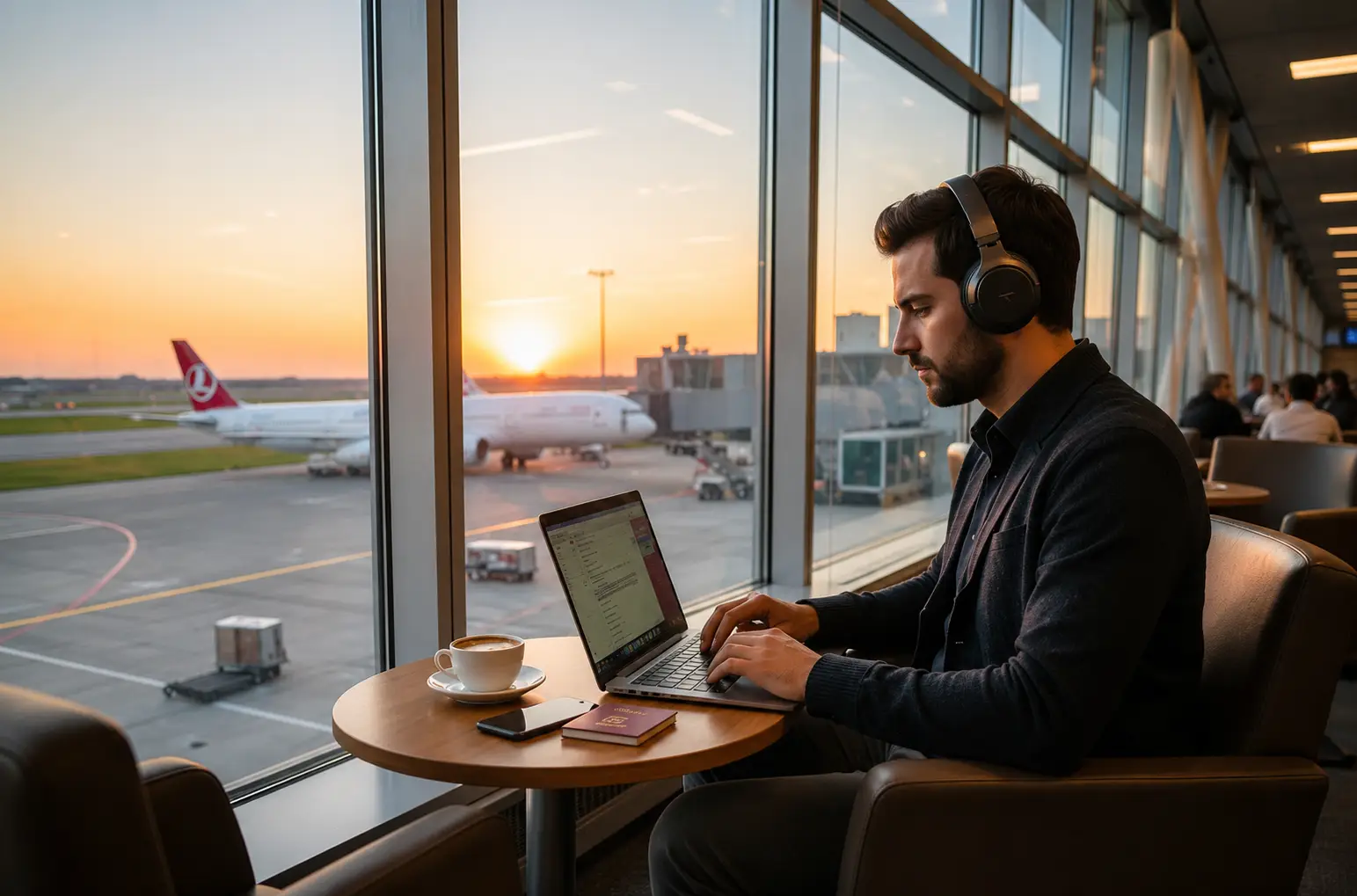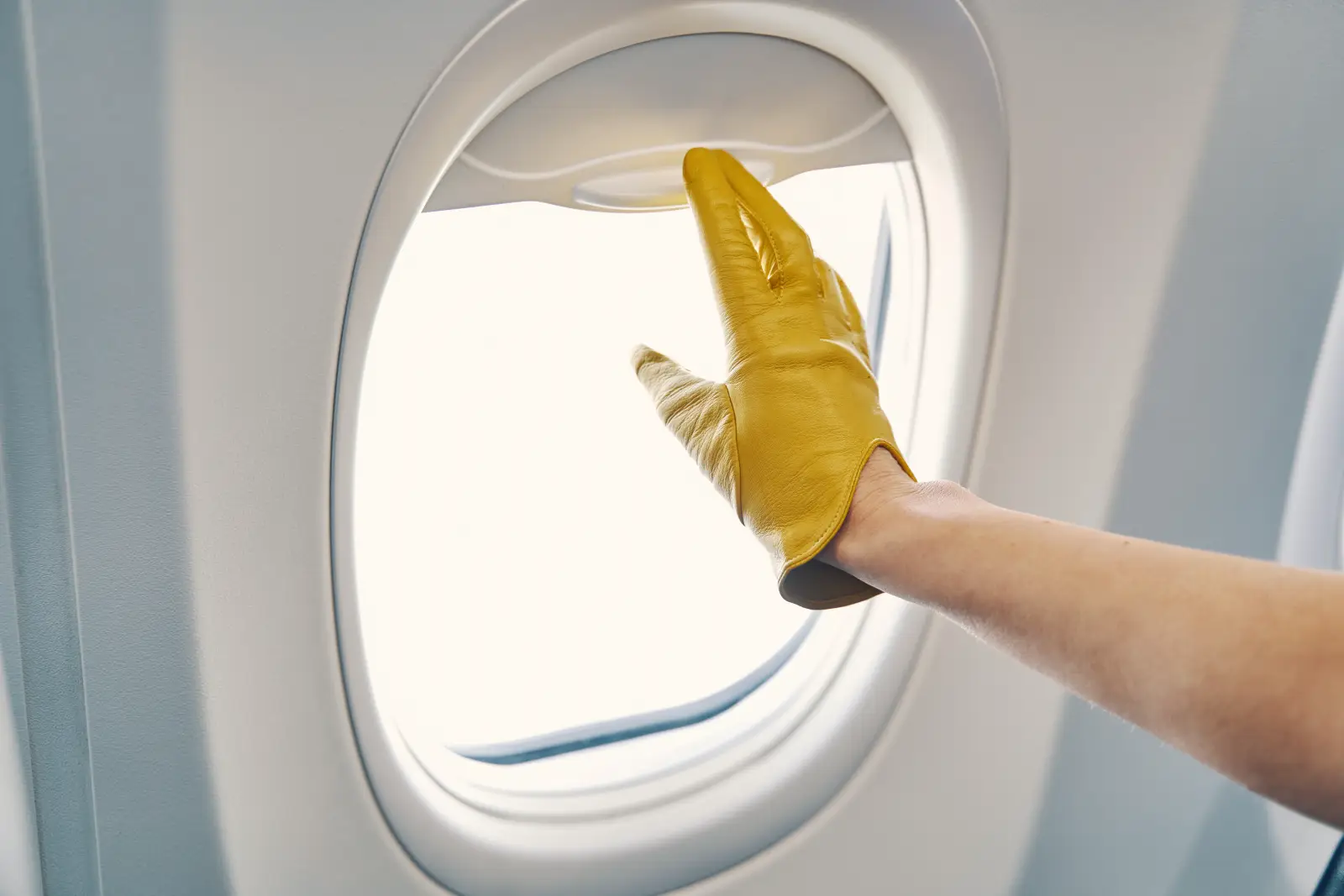
Passengers flying into Busan-Gimhae airport in South Korea are being asked to do something unusual during landing: lower their window blinds and avoid looking outside.
The request is linked to the airport’s shared use with the Republic of Korea Air Force. Because military facilities sit alongside civilian operations, the authorities want to prevent photos, video or other recordings of sensitive areas.
Flight crews check that the blinds are down before the plane lands and taxis to the terminal, making Busan-Gimhae one of the better-known examples of a civilian-military airport with unusual passenger rules.
The procedure stands out because it runs against a common aviation practice. At many airports, passengers are told to keep their window blinds open during take-off and landing so crews can spot hazards outside and, if needed, help people adjust to changing light before an emergency evacuation.
At Busan-Gimhae, security considerations take priority. The airport handles commercial flights and military activity in the same airfield, and officials do not want passengers capturing aircraft, hangars, vehicles or operational activity from the air.
The rule is a reminder that airport procedures are not always universal. In most places, open blinds are treated as a safety measure, but in Busan-Gimhae they are closed to protect the privacy and security of a military installation.
Busan-Gimhae is not the only airport in the world used by both civilian and military aircraft. But the instruction to close blinds throughout landing remains rare and is usually found only where national security concerns are strong.
The airport has drawn attention on social media because of the unusual request, but the logic behind it is straightforward. Authorities are trying to reduce the risk of unauthorised images of restricted infrastructure while commercial flights continue to operate as normal.
For travellers, the rule is a small but striking example of how flying experience can change from one airport to another. What is standard safety practice in one place can become a security precaution in another.
Photo Credit: YAKOBCHUK VIACHESLAV / Shutterstock.com