The recent passage of the federal reconciliation package, known as the “One Big Beautiful Bill Act,” has sparked a mixed reaction across the U.S. travel industry. While the legislation introduces major investments in travel infrastructure and security, it also delivers unwelcome cuts to marketing budgets and clean energy incentives. Industry leaders and regional authorities are assessing what these changes mean for travelers and the broader goals of economic development and environmental responsibility.
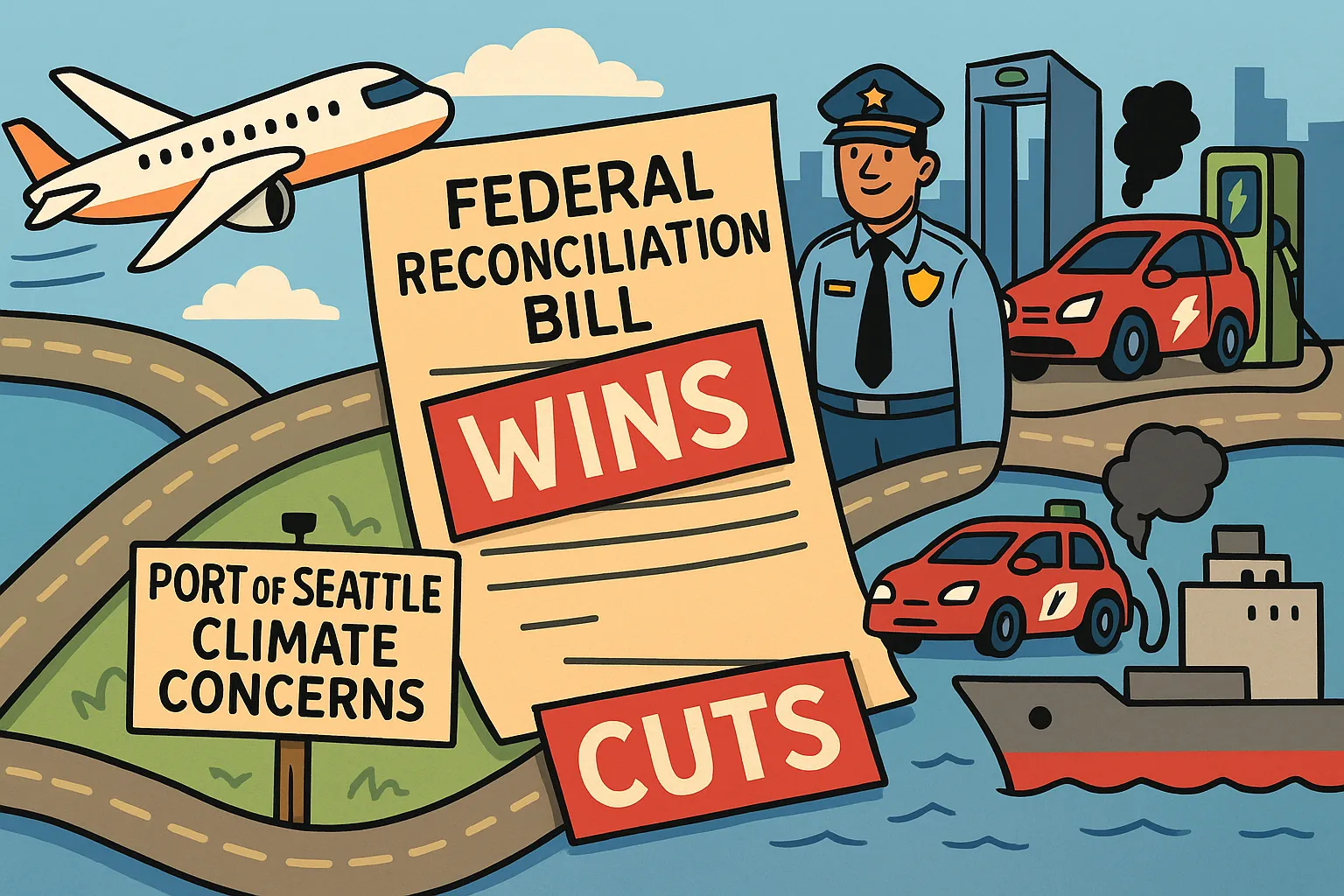
Key provisions in the bill represent significant gains for the travel industry’s efforts to modernize and improve the traveler experience. The U.S. Travel Association highlighted these investments as essential steps toward making America a more welcoming and accessible destination, especially in advance of major global events like the 2026 FIFA World Cup and 2028 LA Olympic and Paralympic Games. However, concerns remain about new visa fees, reduced marketing support, and the elimination of clean energy credits that ports and transportation hubs rely on to reduce emissions and maintain sustainability goals.
Investments in Air Traffic Control and Security
Among the most celebrated elements of the reconciliation bill is a $12.5 billion down payment to modernize the National Airspace System. This funding supports upgrades to air traffic control technology, infrastructure, and workforce development, aiming to reduce delays and improve safety for millions of passengers. U.S. Travel Association President and CEO Geoff Freeman called it a “giant step in the right direction” that will deliver a smoother, more predictable travel experience for Americans and international visitors alike.
In addition to air traffic control modernization, the bill allocates $4.1 billion to hire and train at least 5,000 new U.S. Customs and Border Protection officers. With chronic staffing shortages causing delays at major ports of entry, this investment promises to reduce wait times and speed up processing for incoming international travelers. An additional $2 billion in retention bonuses will help keep experienced CBP officers on the job, further stabilizing operations.
Technology and Security Funding for Global Events
The legislation also includes $673 million to expand the biometric entry-exit system at U.S. ports of entry, enhancing security while enabling potential expansion of the Visa Waiver Program. Another $625 million is allocated for security, planning, and operations related to the 2026 World Cup, while $1 billion is earmarked for similar efforts in advance of the 2028 Olympics in Los Angeles. These investments are viewed as critical to ensuring the safe, seamless movement of millions of visitors during these high-profile events, with Freeman noting that these global showcases present a unique opportunity to make America the world’s most visited destination.
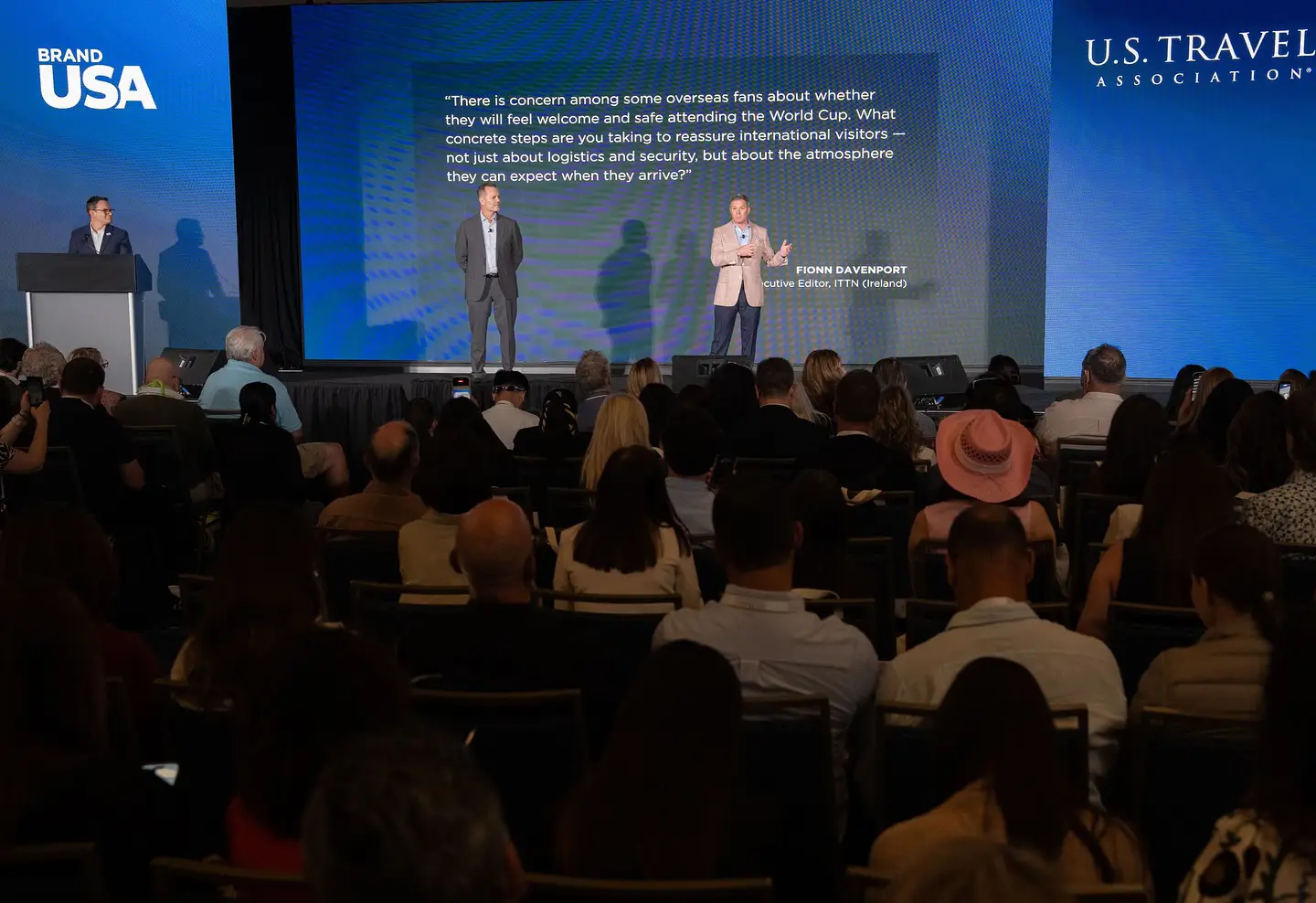
Despite these wins, Freeman and the U.S. Travel Association remain concerned about funding cuts to Brand USA, the nation’s official destination marketing organization. While President Trump’s FY26 budget proposes restoring full federal support for Brand USA, the reconciliation bill reduces the federal match from up to $100 million annually to just $20 million as part of broader spending cuts. Freeman warns that this shortfall risks undermining efforts to promote U.S. destinations globally at precisely the moment when international competition for travelers is heating up.
Increased Visa Fees Cause Frustration
Another major sticking point for the travel industry is the bill’s imposition of new visa fees. These include a new $250 Visa Integrity Fee for visitor visas and an increase in the Electronic System for Travel Authorization (ESTA) fee for Visa Waiver Program travelers from $21 to $40. Freeman criticized these hikes as a “self-imposed tariff” on one of America’s largest exports: international travel spending. He argues that such fees discourage visitation at a time when foreign travelers are already wary of high costs and complicated entry procedures.
The U.S. Travel Association has called on Congress to address these concerns in the upcoming FY26 appropriations process. Industry leaders argue that lowering, or eliminating, visitor fees is critical to maintaining the U.S. as a competitive and welcoming destination, especially as the country prepares to host the 250th anniversary and a slate of other major events during President Trump’s term. A recent U.S. Travel report outlined reforms needed to modernize the travel system, many of which were included in the reconciliation bill—but the association insists that visa fee hikes remain a major obstacle to sustained growth.
Port of Seattle Concerns over Environmental Cuts
While national travel groups praised infrastructure investments, the Port of Seattle expressed dismay at the bill’s rollback of critical clean energy credits. The legislation eliminates incentives for commercial clean vehicles, EV charging infrastructure, and renewable and alternative fuels—tools the Port says have been essential in its drive toward zero-emissions operations. Port of Seattle Commission President Toshiko Hasegawa called the bill “a setback” for local climate action and highlighted the Port’s continued commitment to becoming the greenest port in North America despite these challenges.
Hasegawa emphasized that the targeted clean energy credits help decarbonize fleet vehicles and accelerate investments in green infrastructure. Removing them, she argues, makes local efforts to combat climate change significantly harder at a time when action is urgently needed. Port Commissioner Fred Felleman echoed these concerns, warning that the loss of incentives for cleaner fuels for trucks, ships, and planes would hurt both environmental goals and the creation of future-focused jobs.
Additionally, the bill rescinds significant Environmental Protection Agency funding established or expanded by the Inflation Reduction Act. For the Port of Seattle, this means the loss of funds needed to transition heavy-duty vehicles to cleaner fuels or electrification, undermining efforts to reduce pollution from diesel trucks and other sources. Despite these challenges, Port officials acknowledged the bill’s continued support for sustainable aviation fuels and welcomed investments in air traffic control and security infrastructure that will help Seattle-Tacoma International Airport (SEA) maintain efficient operations.
Finally, the legislation directs $24 billion to Coast Guard readiness, including support for polar security cutters and other vessels that will strengthen the Pacific Coast Guard Fleet and Base Seattle. While Port leaders remain critical of environmental funding cuts, they recognize these investments as vital for safety and operational readiness in the region. The Port pledged to continue working with the Washington congressional delegation to support policies that balance economic growth, environmental protection, and community well-being, ensuring the sustainable operation of critical transportation gateways.