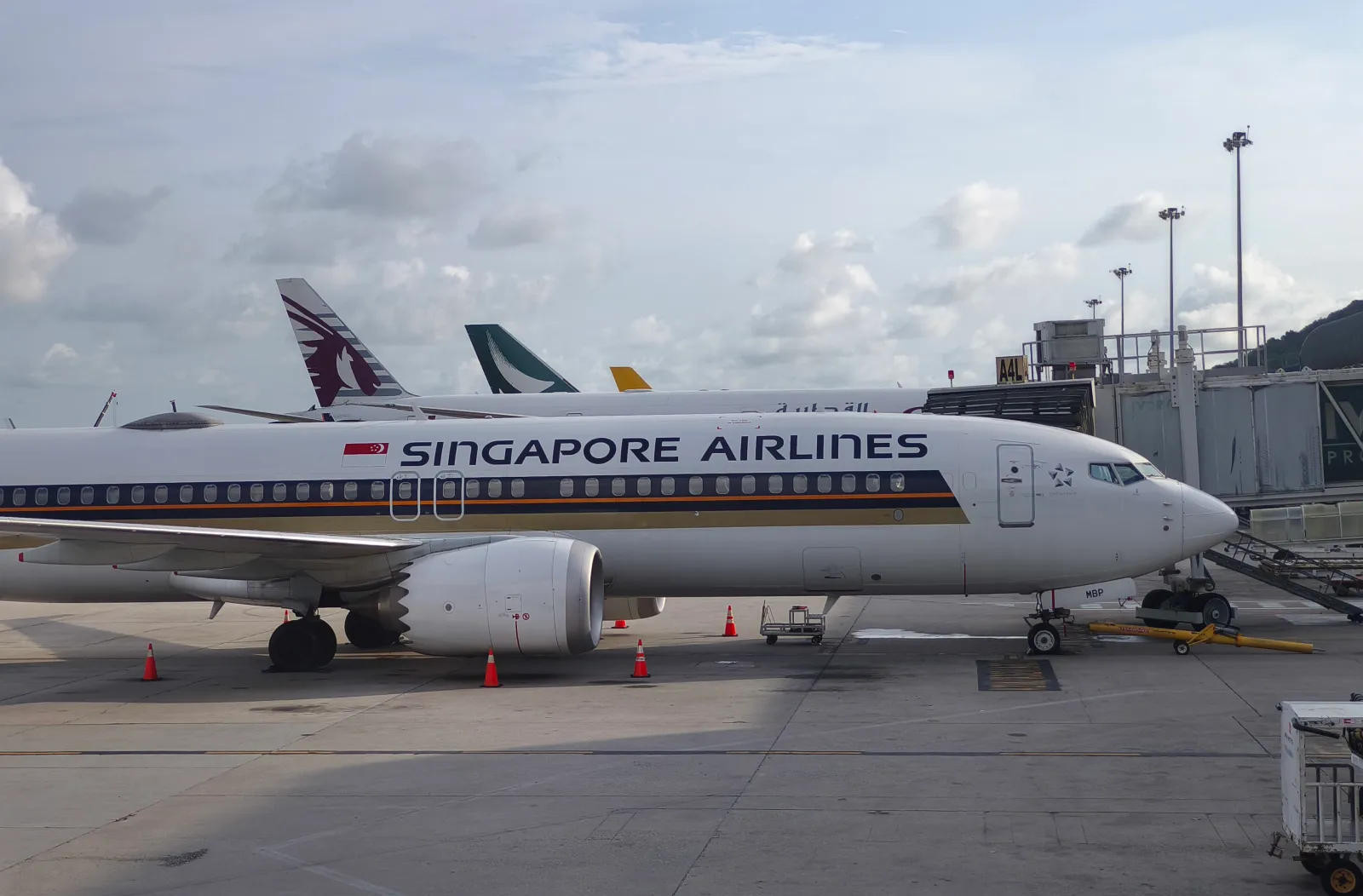
The Straits Times has reported that flight times on selected flights between Singapore and six countries can be expected to be reduced as pilots take the most direct and efficient paths across participating airspaces.
A 15-month trial, which let pilots fly more optimised, fuel-efficient routes to destinations, showed it can shorten flight times, save fuel and reduce carbon emissions when wind conditions are favourable.
The trial formally concluded on Oct 31, but the Civil Aviation Authority of Singapore (CAAS) said airlines may continue filing for the most direct and efficient routes, with support from the six participating countries which are Singapore, Australia, Fiji, Indonesia, New Zealand and Papua New Guinea, covering 70 city-to-city links.
For now, the Singapore routes using these optimised paths, flown by carriers like Singapore Airlines (SIA) and Air New Zealand, include Adelaide, Brisbane, Cairns, Melbourne and Sydney in Australia, as well as Christchurch and Auckland in New Zealand.
Besides potentially cutting flight time, allowing pilots to select the most optimal routes can improve comfort by helping pilots avoid areas of turbulence, for example. The lower fuel consumption may also reduce operating costs, and by extension, air fares, an analyst said.
This method of allowing pilots to select the most optimal routes is called user-preferred routing. Pilots would otherwise rely on a fixed, traditional network of airways, akin to invisible highways in the sky, to fly from one point to another.
Eight participating airlines
Eight participating airlines – SIA, Jetstar Airways, Qantas, Fiji Airways, Cathay Pacific, Garuda Indonesia, Air New Zealand and EVA Air – can continue to plan and file for flexible routings across the participating airspaces, CAAS said.
The trial began on Aug 5, 2024, with air-traffic agencies from Australia, Indonesia, New Zealand and Singapore, along with their national carriers – Qantas, Garuda Indonesia, Air New Zealand and SIA. SIA, Qantas, Air New Zealand and Fiji Airways – which joined the trial in July 2025 – said they would keep using these flexible routings.
The participating countries first agreed to extend the trial to April 2025 to gather more data. It was extended again to October 2025, this time widening the group to include more airlines and air-traffic agencies across the region.
From July 7, air navigation service providers Fiji Airports and NiuSky Pacific of Papua New Guinea joined the initiative, enabling flights such as those from the Fijian city of Nadi to Singapore – which passes through Papua New Guinea’s airspace – to use the more direct routing.
CAAS said early reports showed that using these routes on the Nadi-Singapore sector saved Fiji Airways an estimated 300kg to 400kg of fuel per flight.
Fiji Airways said it had trialled user-preferred routing on flights between Nadi and Singapore, and will continue the practice. The airline also confirmed it is contributing to the development of user-preferred routing guidance materials by providing feedback based on its experience during the trial.