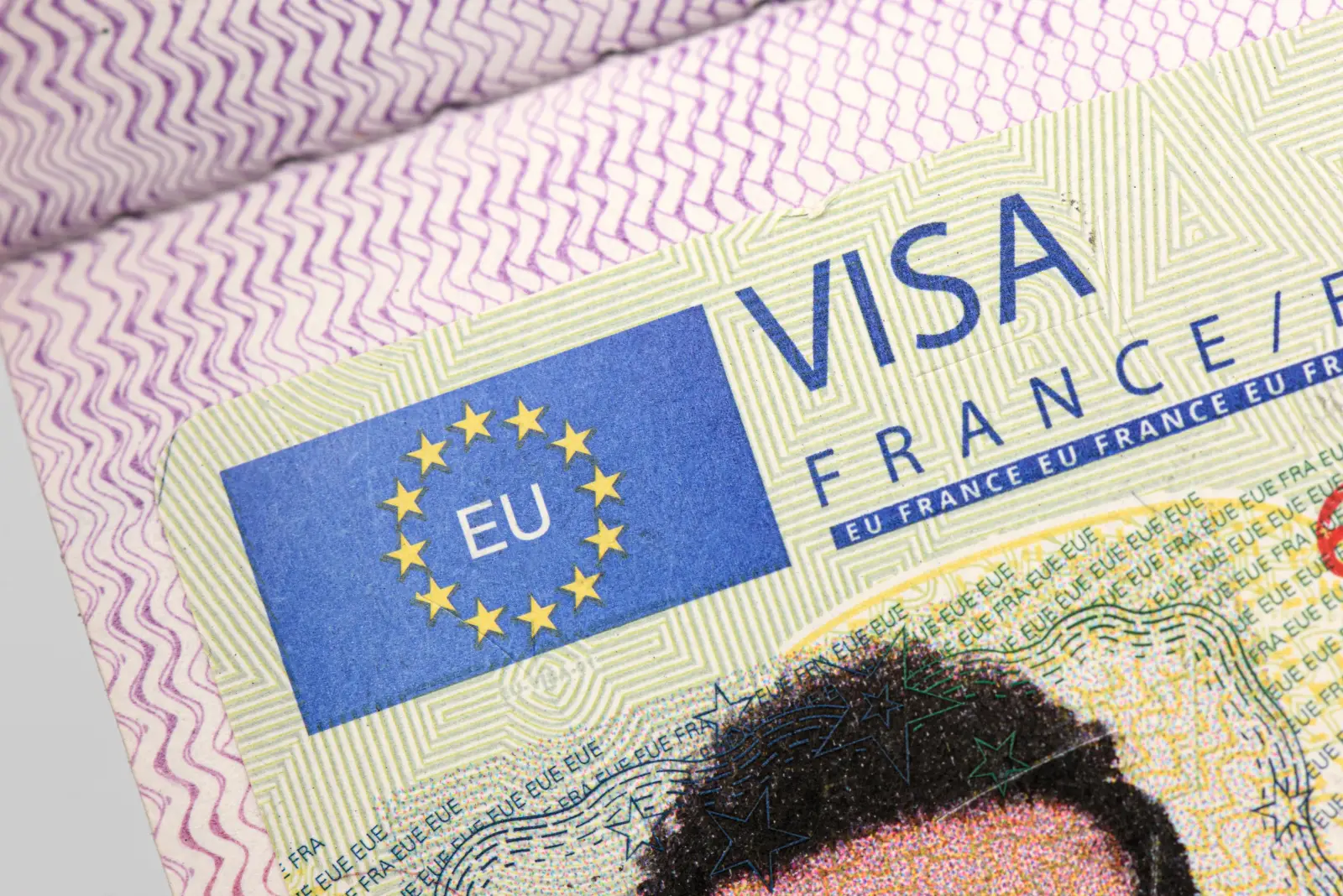
Airports are often where travel dreams begin — and sometimes where they abruptly end. For one passenger, a bid to enter Europe with falsified papers ended not with a new adventure, but a swift return flight home. The incident has reignited attention on rising document scams and the measures border officers are using to detect them.
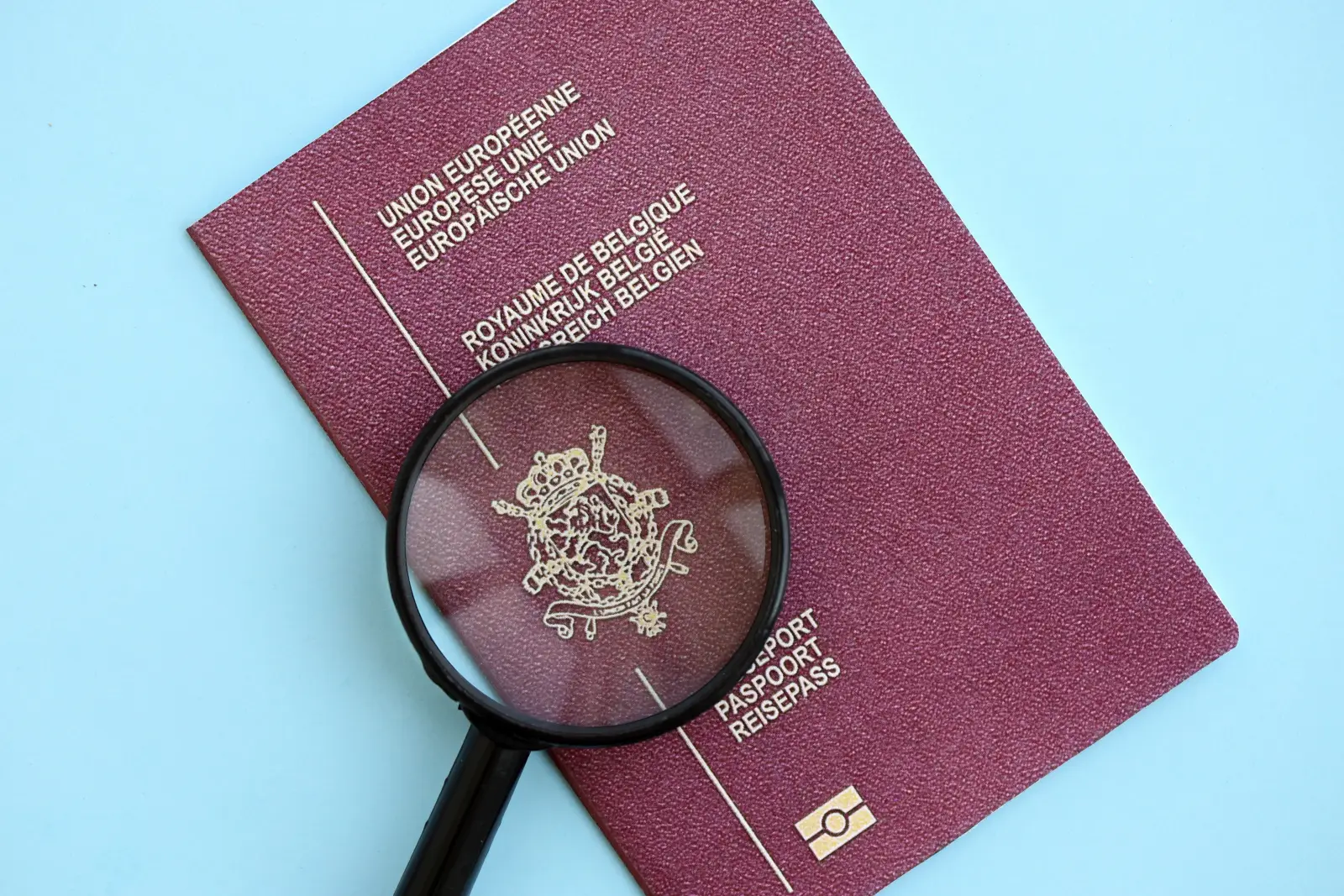
According to Germany’s Federal Police, officers at a major airport recently intercepted a 33-year-old Turkish national attempting to enter the country using a forged Belgian passport. The traveler had arrived on a flight from Antalya and presented what officials later described as a “completely falsified” document during a routine border inspection.
When officers noticed irregularities in the passport, they conducted a deeper search that revealed several additional items — a genuine Turkish ID, a forged Belgian driver’s license, and another counterfeit identification card. The discovery quickly led to an investigation into document fraud and violation of immigration laws, authorities confirmed.
After processing, the man was denied entry and placed on a return flight to Turkey. The seized documents are now being held as evidence in the ongoing investigation. “This case underscores how our officers are trained to spot the smallest inconsistencies,” the Federal Police shared in a statement, emphasizing their use of enhanced document verification systems at major German airports.
While the event may sound isolated, officials and travel experts note that such cases are increasingly common worldwide. In recent years, the use of forged travel documents has surged, fueled by improved printing technology and online black markets that sell realistic-looking passports and ID cards. For travelers, this trend translates to tighter security checks — and longer wait times — as border agencies respond with stricter screening protocols.
Airports across Europe, including Frankfurt, Amsterdam, and Paris, have expanded their biometric and digital verification systems to combat identity fraud. These tools not only detect counterfeit materials but also match facial data with passport records in seconds. According to the European Border and Coast Guard Agency, more than 8,000 cases of forged travel documents were reported at EU borders last year, a 17 percent increase from the previous year.
For most passengers, these developments serve as a reminder of how complex and secure global mobility has become. Border authorities encourage travelers to carry only authentic, up-to-date documents and to verify visa requirements well in advance of their journey. Even minor discrepancies, such as outdated photos or damaged passports, can trigger further inspection.
Travel analysts suggest that these enforcement measures, though sometimes frustrating for passengers, are essential for maintaining border integrity and protecting against identity crime. “Every case like this helps refine the technology that keeps legitimate travelers safe,” one aviation security consultant explained. “Airports are no longer just gateways — they’re intelligence hubs.”
As global travel rebounds and airport volumes return to pre-pandemic levels, incidents like this one highlight the balance between efficiency and security. For the average traveler, the lesson is simple: authenticity isn’t just a requirement at the border — it’s the ticket to a smooth journey.
For official information on European entry requirements and travel documentation, visit the EU Travel website.
Photo Credit: Mehaniq / Shutterstock.com