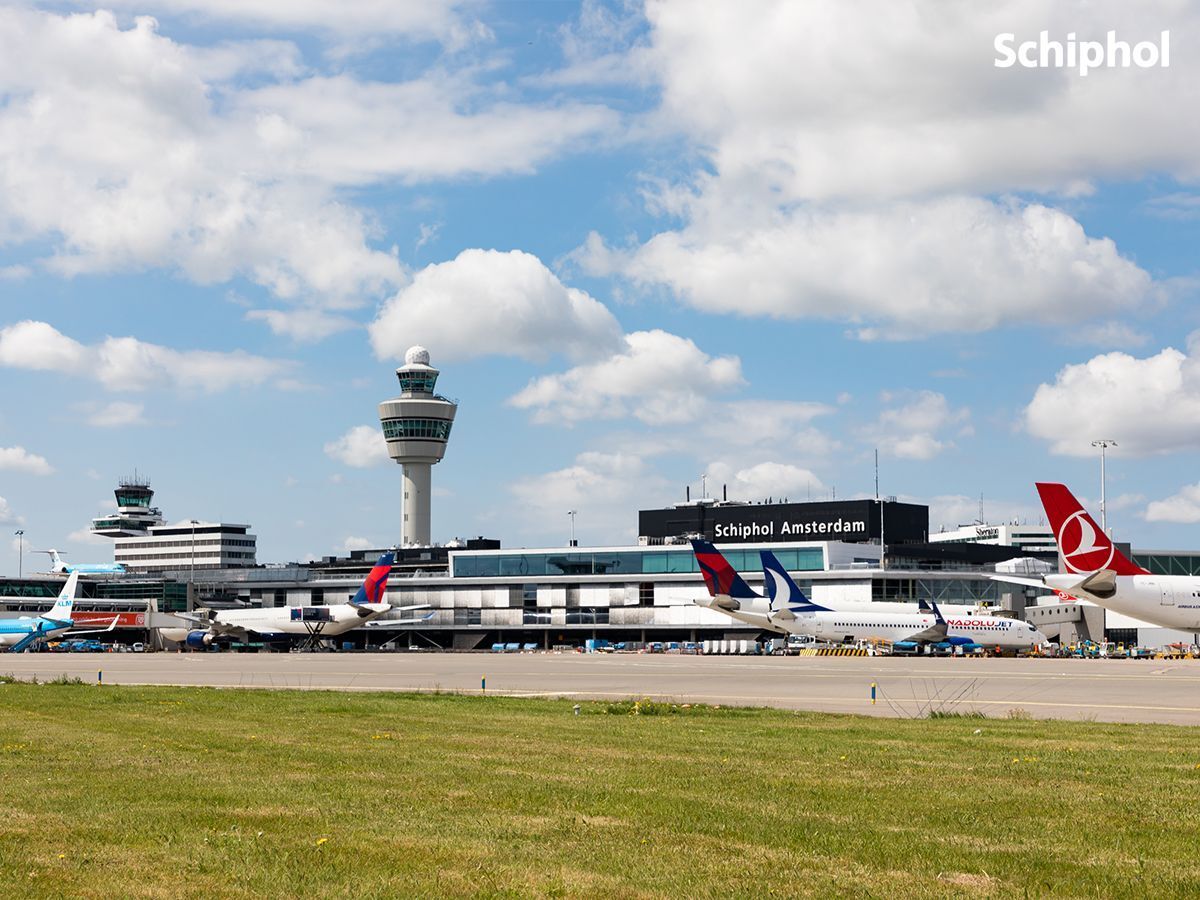
Amsterdam Schiphol Airport faced major disruption after long queues at security and border control delayed 279 departing flights in a single day, adding fresh pressure on one of Europe’s busiest aviation hubs.
According to Dutch media reports, 279 of the airport’s 679 scheduled departures were delayed after severe bottlenecks formed across security checkpoints and passport control areas on 18 May.
The disruption came as Schiphol introduced a major overhaul of its security operations, replacing several contractors with a new structure involving three security companies. Around 4,000 security workers changed employers as part of a long-term reorganisation valued at approximately €6 billion over 10 years.
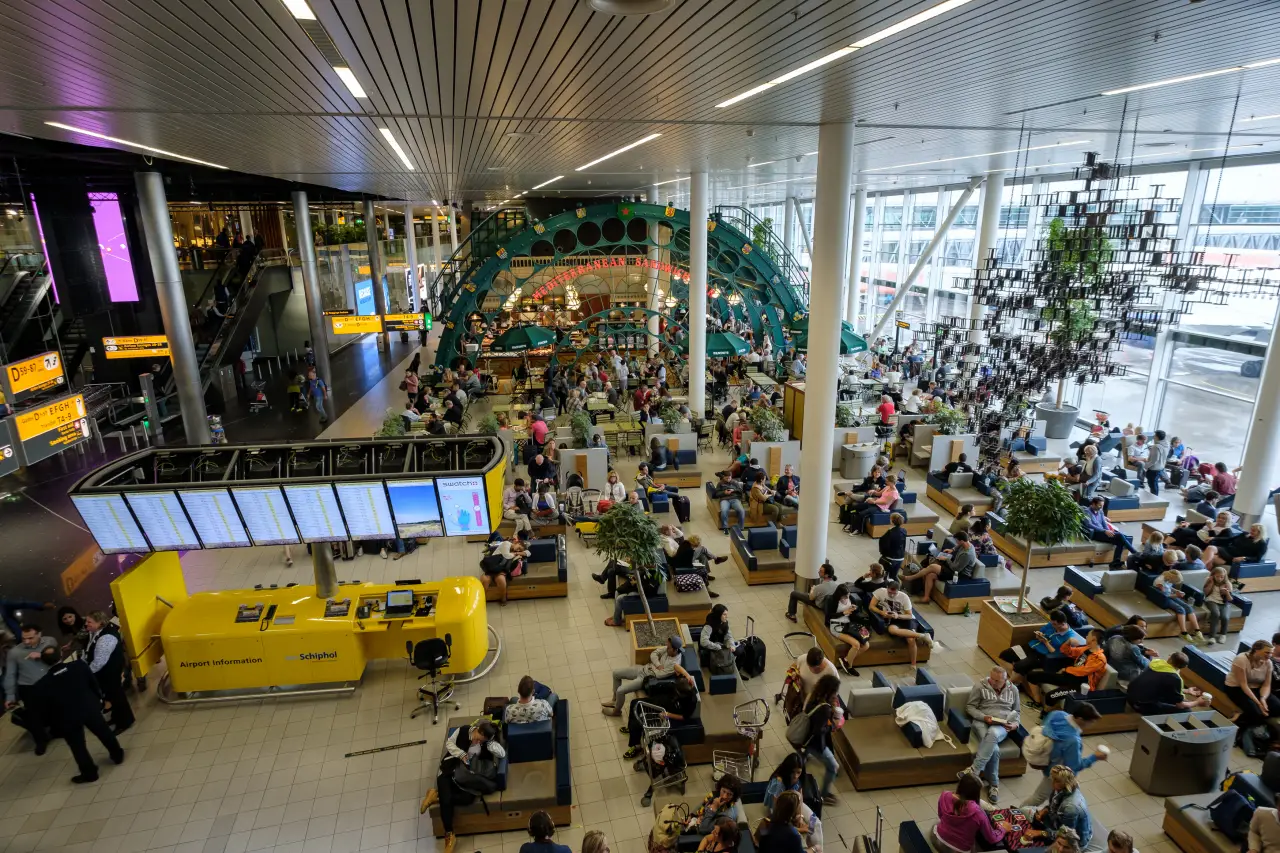
Passengers reported overcrowded terminals, missed flights and lengthy waits at checkpoints. Some travellers described scenes of panic as queues stretched through departure halls.
In Departure Hall 2, reports said fewer than half of the screening lanes were operating for parts of the day. In Departure Hall 3, only two of seven lanes were reportedly open at one stage, contributing to growing congestion.
Schiphol acknowledged operational problems and said additional office staff were deployed to help manage the crowds. Water was also distributed to passengers waiting in queues.
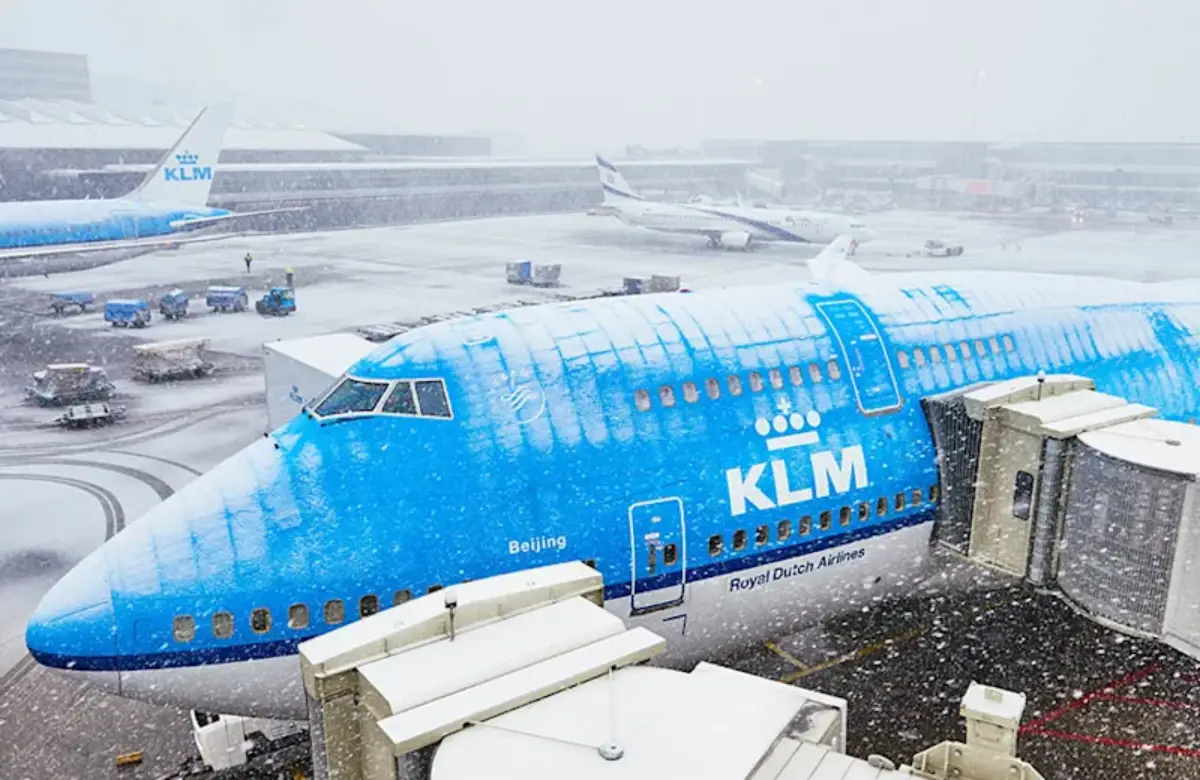
KLM, the airport’s largest airline operator, warned travellers that security delays could affect departures and urged passengers to arrive early and monitor flight updates closely.
Contractor transition blamed for disruption
Dutch newspaper De Telegraaf reported that the operational problems were linked to the transition between security contractors, with new staff still adapting to revised procedures and systems.
Sources cited by the newspaper said differences in work practices, scheduling systems and company culture slowed operations during the first day of the transition.
Trade unions had previously warned that the handover carried a risk of instability, especially during busy travel periods.
The security restructuring is part of Schiphol’s broader attempt to avoid a repeat of the severe staffing crisis that hit the airport in 2022, when passengers experienced extremely long queues, cancellations and missed flights during the summer travel season.
Schiphol has since worked to improve staffing conditions and gain greater operational control over security procedures.
EES border checks added pressure
At the same time, additional congestion affected transfer passengers arriving from outside the Schengen area due to the rollout of the European Union’s Entry/Exit System, known as EES.
The system introduces biometric registration for non-EU travellers entering and leaving the Schengen zone, replacing traditional passport stamping with fingerprint and facial recognition checks.
Passengers who had not yet completed registration were required to use automated kiosks before continuing their journeys, creating further delays in already crowded processing areas.
European airports and airline groups have repeatedly warned that the gradual rollout of EES could create longer queues and operational pressure during peak travel periods.
Airports Council International Europe previously said some airports had experienced border processing times increasing by as much as 70% during EES testing and phased implementation.
Several major airports across France, Germany, Spain, Portugal and Greece have also reported concerns about staffing levels, biometric registration capacity and border control readiness.
Ripple effect across Europe
As one of Europe’s largest transfer hubs, disruption at Schiphol can quickly spread across international airline schedules.
The airport handled nearly 62 million passengers in 2025 and serves as a major connecting point for KLM and SkyTeam alliance traffic between Europe, North America, Asia and the Middle East.
Large delays at security or passport control can lead to missed connections, late aircraft departures and crew scheduling complications that affect flights far beyond the Netherlands.
The incident also renewed concerns about how airports across Europe are preparing for the full implementation of stricter border procedures while maintaining smooth passenger flows during the busy summer season.
Schiphol currently advises travellers to arrive at least two hours before European flights and three hours before long-haul departures.
The airport did not immediately confirm whether the contractor transition directly caused the disruption, saying operational assessments were still ongoing.
By late evening, some departures had begun recovering, although delays continued to affect parts of the airport network throughout the day.
Photo Credit: Anton Gvozdikov / Shutterstock.com