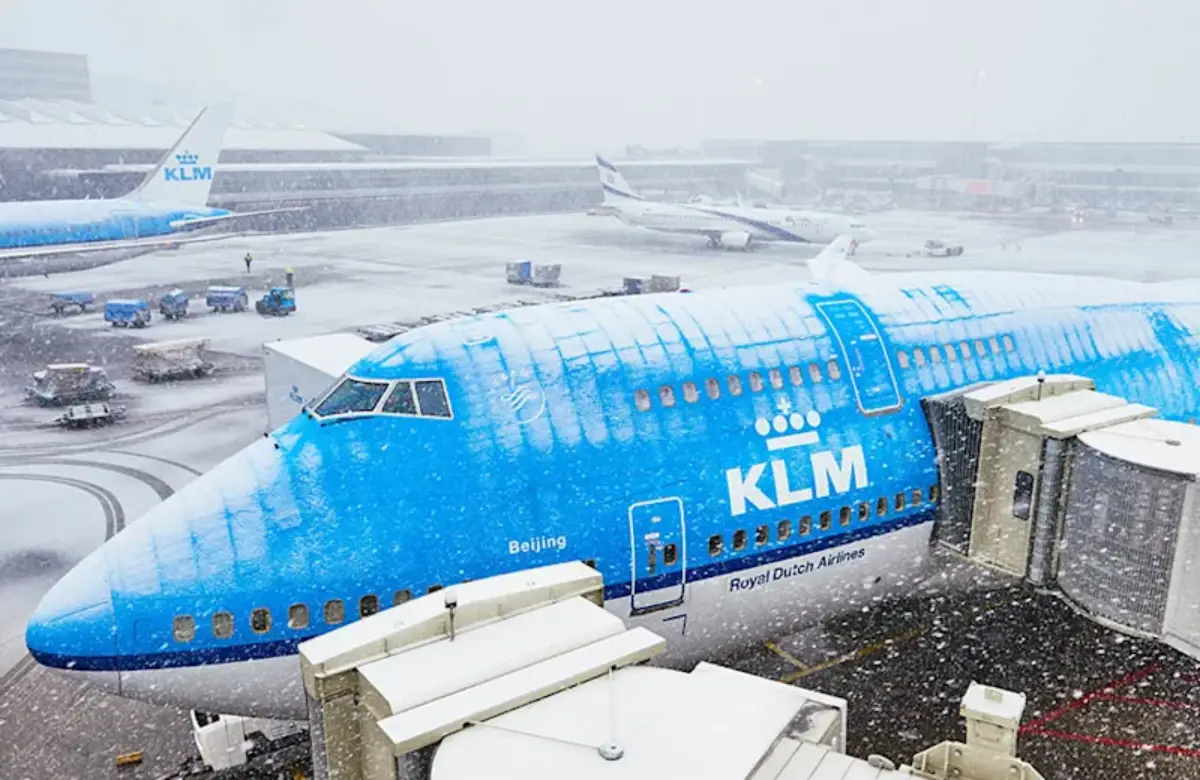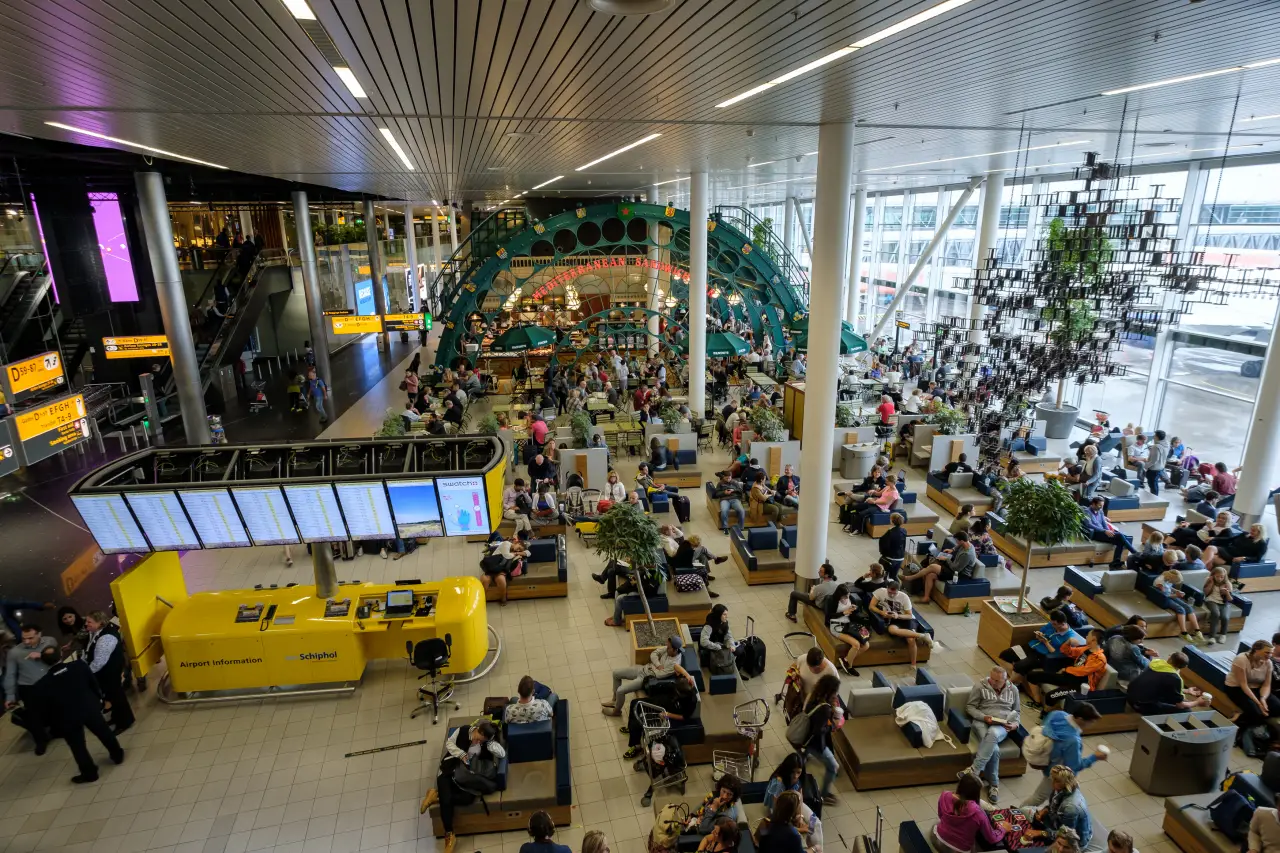
Severe winter weather has sharply disrupted operations at Amsterdam Airport Schiphol, with hundreds of flights canceled or delayed as snow, freezing rain, and strong winds restrict runway use and aircraft de-icing capacity.
The disruption intensified on January 3 as the Netherlands experienced a sudden onset of winter conditions, leaving one of Europe’s busiest aviation hubs operating at a fraction of its regular schedule. Airlines reduced departures and arrivals throughout the day, affecting tens of thousands of passengers across European and long-haul networks.
The disruption centers on Schiphol’s ability to safely manage aircraft movements under persistent snow and ice, compounded by strong crosswinds and freezing temperatures. Airport authorities and airlines implemented significant schedule cuts to maintain safety, while weather warnings remained in effect across large parts of the country. The impact rippled across Europe as connecting flights were canceled, rerouted, or delayed.
Operations are reduced as winter conditions persist
Amsterdam Airport Schiphol is among Europe’s most important transfer hubs, handling more than 60 million passengers annually and serving as the primary base for KLM and a significant gateway for alliance traffic. Under normal conditions, the airport handles hundreds of departures and arrivals each day, but winter weather sharply reduced operational capacity. Aircraft de-icing requirements, runway clearing, and safety spacing between movements limited the number of flights that could be handled per hour.
On January 3, airport systems showed widespread cancellations across short-haul European routes and selected long-haul services. Airlines prioritized essential operations and long-distance flights, but many services to the United Kingdom, Germany, Scandinavia, and Southern Europe were removed from schedules. Some inbound flights were diverted to nearby airports, including Brussels and Düsseldorf, while others were canceled before departure.
The winter system brought snow and freezing rain to the Netherlands, conditions that are relatively infrequent at this scale. Strong winds further complicated operations, reducing runway availability and increasing separation requirements between aircraft. Even when snowfall eased, icy surfaces and ongoing de-icing needs continued to constrain flight activity.
Airlines cut schedules and rebook passengers
Airlines operating at Schiphol implemented broad contingency measures, including proactive cancellations, aircraft swaps, and crew repositioning. KLM, the airport’s largest carrier, reduced its schedule to align with the limited number of available slots and to avoid aircraft and crew being stranded overnight. Other carriers, including low-cost and regional operators, canceled a high proportion of flights due to limited ground-handling capacity and weather-related constraints.
Passengers affected by cancellations were offered rebooking on later flights, alternative routings via other European hubs, or refunds in line with airline policies and European Union passenger rights regulations. However, re-accommodation options were limited as weather conditions affected multiple airports across Northern and Western Europe simultaneously. Hotel availability around Amsterdam tightened as stranded passengers sought overnight accommodation.
Ground transport connections to and from the airport were also disrupted. Snow and icy conditions disrupted road and rail traffic, complicating access for passengers and airport staff. These secondary impacts exacerbated staffing challenges, further limiting the pace of operations recovery.
Ripple effects across European air travel
Schiphol’s role as a major transfer point means disruptions quickly spread beyond the Netherlands. Cancellations affected connecting itineraries for passengers traveling between Europe, North America, Asia, and Africa. Airlines were forced to adjust aircraft rotations across their networks, resulting in cascading delays and cancellations at other airports.
Several European carriers reported elevated disruption levels as aircraft scheduled to operate onward flights from Amsterdam failed to arrive. This resulted in delays at partner hubs and reduced resilience across tightly scheduled winter timetables. The situation underscored the vulnerability of hub-and-spoke networks to severe weather at key nodes.
Weather-related disruptions are common in winter, but aviation analysts note that the intensity and timing of the current system pose particular challenges. The sudden onset limited preparation time, while persistent sub-zero temperatures slowed recovery efforts compared with brief snow events that can be cleared quickly.
Passenger guidance and outlook
Airport authorities advised travelers to check flight status directly with the airline before traveling to Schiphol and to allow additional time if flights are operating. Passengers were urged to avoid arriving at the airport without confirmation that their flight was scheduled to depart, as terminal congestion increased during peak disruption periods.
Weather forecasts indicated continued wintry conditions into the following day, raising the likelihood of ongoing disruption. While airport teams worked to clear runways and maintain essential services, full recovery depended on improving weather and stabilizing airline schedules. Airlines are prepared for a gradual ramp-up rather than an immediate return to normal operations.
The episode highlights the operational sensitivity of major European hubs to severe winter weather, particularly when snow and ice coincide with strong winds. As climate variability increases the frequency of extreme weather events, airports and airlines face growing pressure to enhance resilience while maintaining safety as the overriding priority.
For travelers, the disruption serves as a reminder of the cascading effects that weather can have on interconnected air networks. With Schiphol remaining a critical node in global aviation, developments at the airport continue to be closely watched by airlines, passengers, and regulators alike.
Photo Credit: Anton Gvozdikov / Shutterstock.com