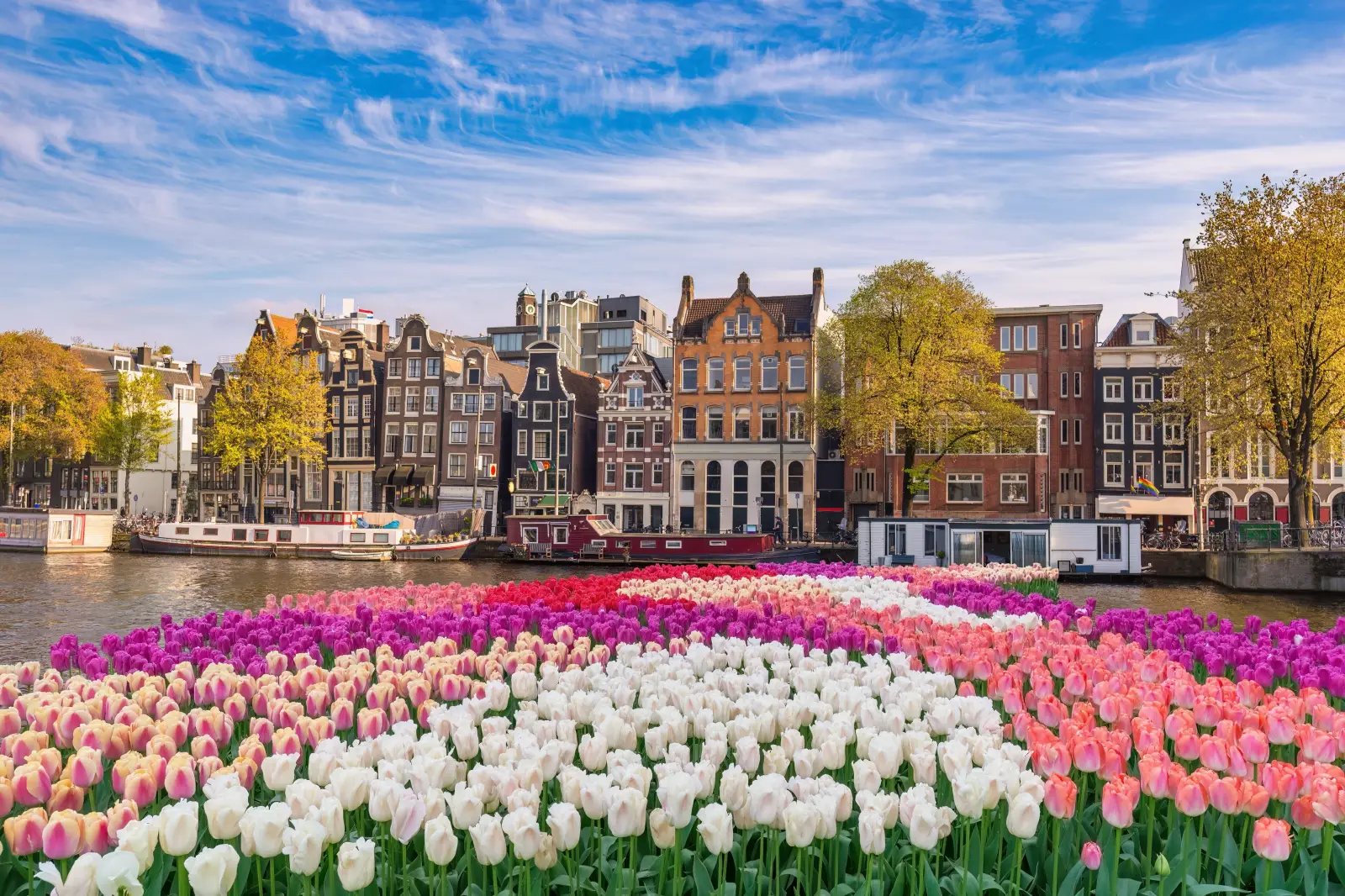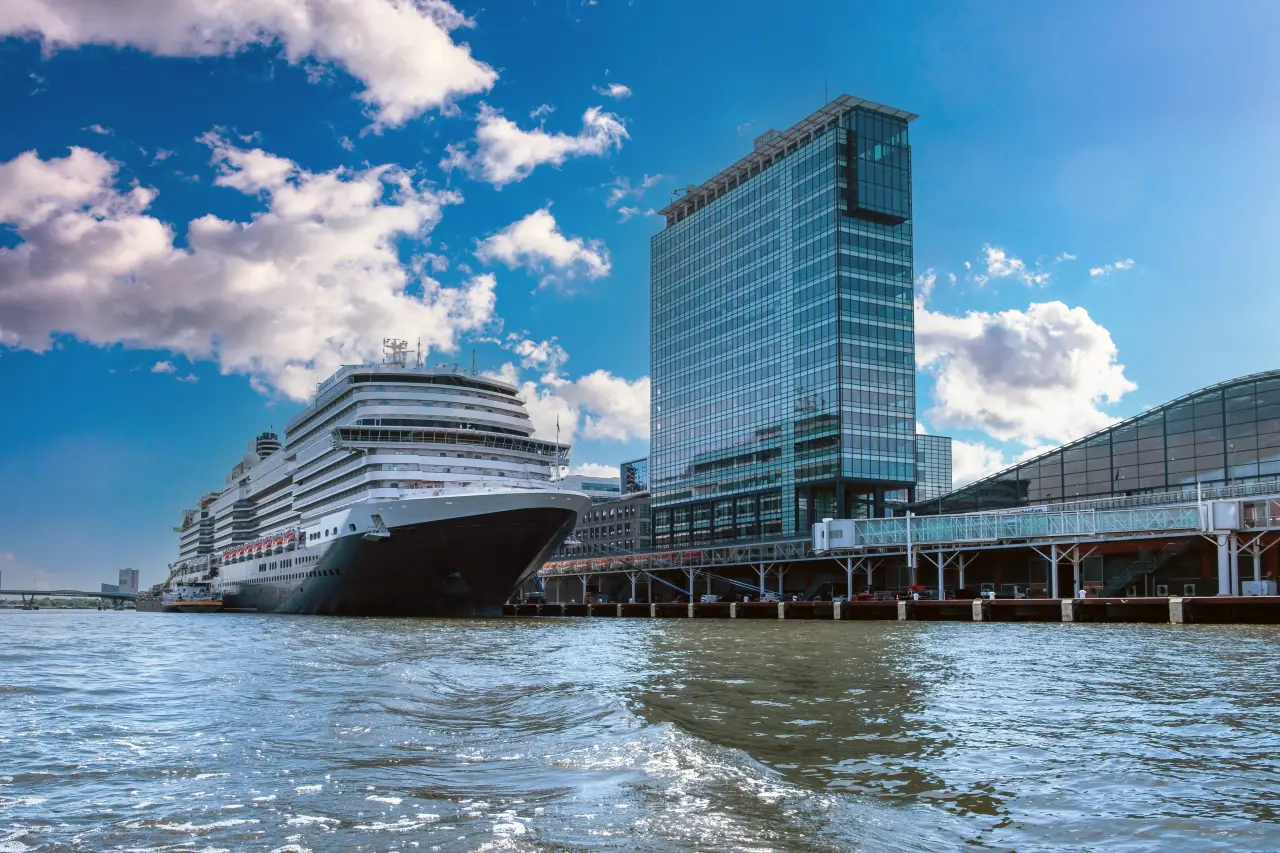
Amsterdam council officials are considering a plan to ban cruise ships from the city by 2035, according to Dutch News, in an effort to mitigate pollution and improve air quality in the city centre. Overtourism has also been a source of contention.
The officials have decided not to vote on a plan to move the city’s cruise ship terminal to another location until after the 18 March local elections. Instead, they will work on the option of ending ocean cruises altogether by 2035, although it will be up to the next city administration to decide, council port chief Hester van Buren said.
Relocation costs estimated at €85 million and loss of income of €46 million
A feasibility study into relocating the sea cruise terminal from its current location east of the main railway station in Veemkade, highlighted high investment costs estimated at €85 million, which the city executive considers “undesirable”.
“This means that we will be exploring the option of ending sea cruises in Amsterdam by 2035 in the coming months, so that the new municipal executive can make a decision,” she added.
Officials estimated that moving ships away from Amsterdam would result in a loss of €46 million in port and tourist taxes over a 30-year timeframe.
Cruise ship visits to be cut to 100 for 2026
Amsterdam had agreed in June 2024 that cruise ship visits will be nearly cut in half for 2026 and beyond. The move does not come as a surprise, as Amsterdam has been exploring such limits for some time.
In fact, the number of river cruise visits has already been slashed to a maximum of 1,150 calls annually by 2028, a decision that was announced in April 2024. The limits on ocean ships, however, will be far more strict.
At the moment, Amsterdam receives 190 cruise ship visits per year, but that will be reduced to no more than 100 per year beginning in 2026. Furthermore, only one berth will be used at a time to reduce overall congestion, and ships will be required to use shore power by 2027.
Amsterdam would join other European countries in implementing or considering cruise ship bans or reducing capacities, including Spain (Barcelona, Majorca, and Valencia), France (Nice, Cannes, Marseille, and Bordeaux), and Greece (Santorini and Mykonos).
However, Amsterdam would be the first city to ban seagoing vessels entirely rather than setting stricter limitations regarding factors like ship size, passenger capacity, and where ships are allowed to dock.
The impact on cruising
2035 is still nearly a decade away, which means cruise guests are unlikely to experience any immediate impact if the ban passes.
While the cruise lines often release sailings for booking several years in advance, they still haven’t gotten far enough to warrant itinerary changes related to this. If the ban does take effect, future itineraries will be planned to skip Amsterdam.
Rather than calling in Amsterdam, many cruise lines will likely relocate their port of call visits to Rotterdam. The two ports are only 40 miles (64 km) apart. This means that many of the same shore excursions and other experiences can be preserved for cruise guests.
Photo Credit: rawf8 / Shutterstock.com