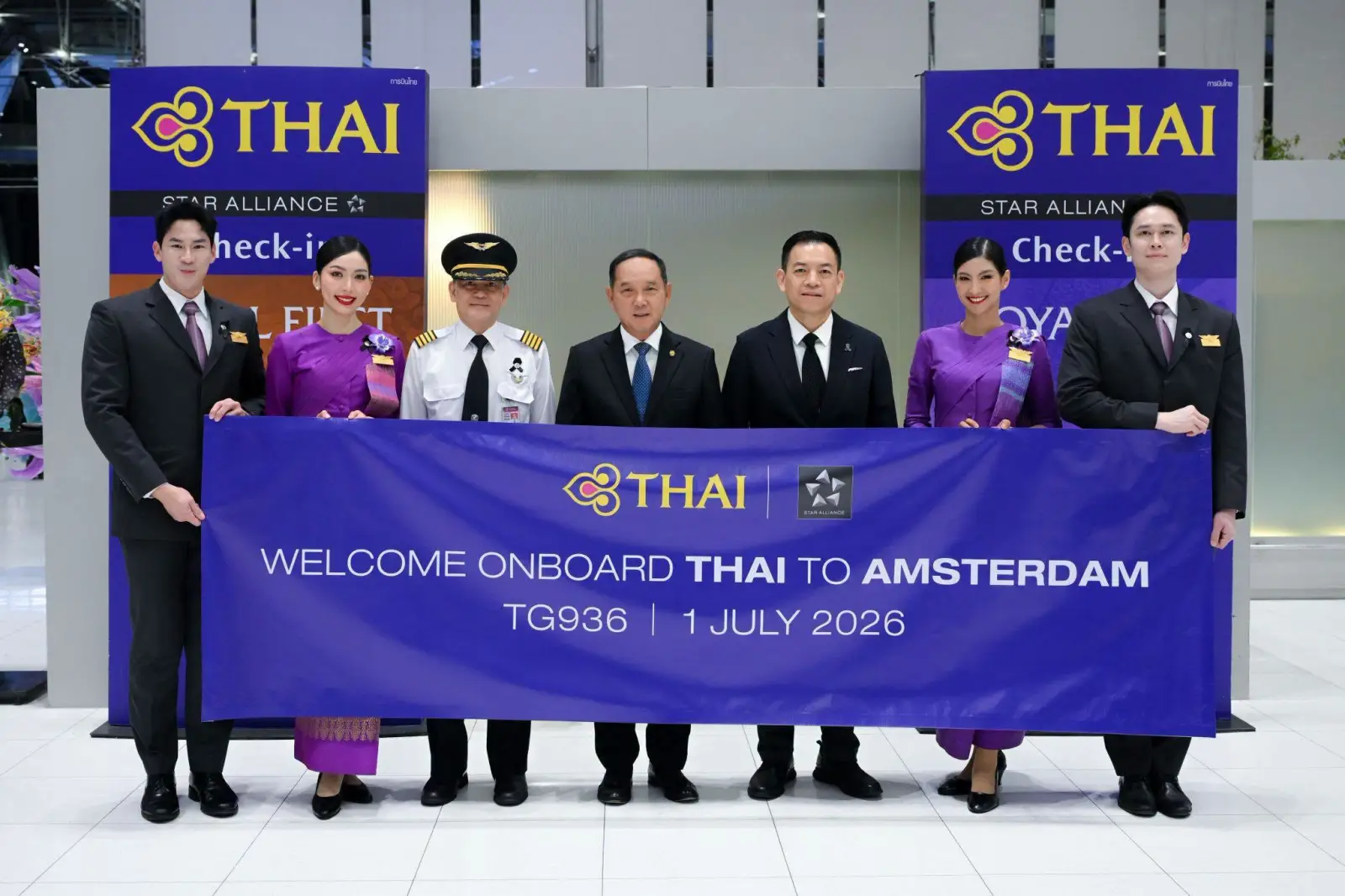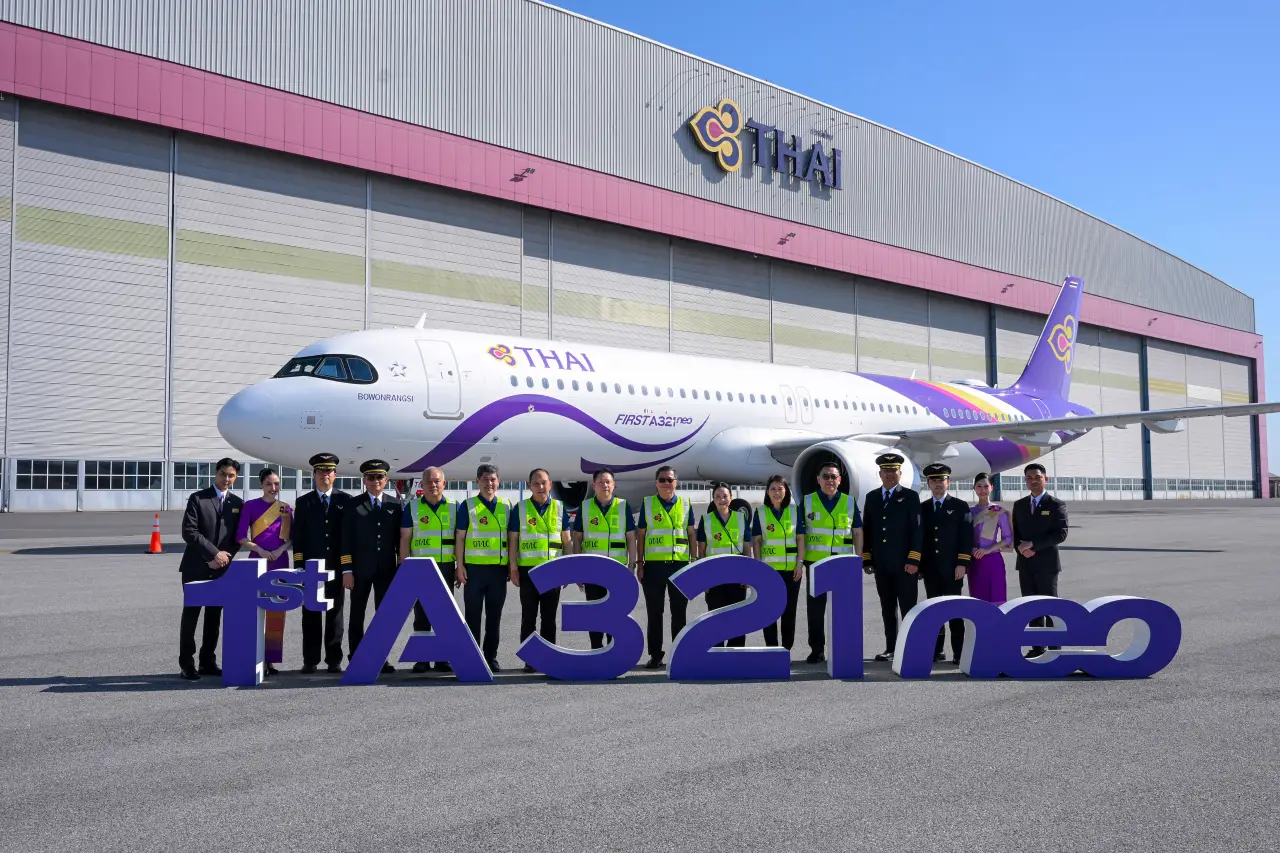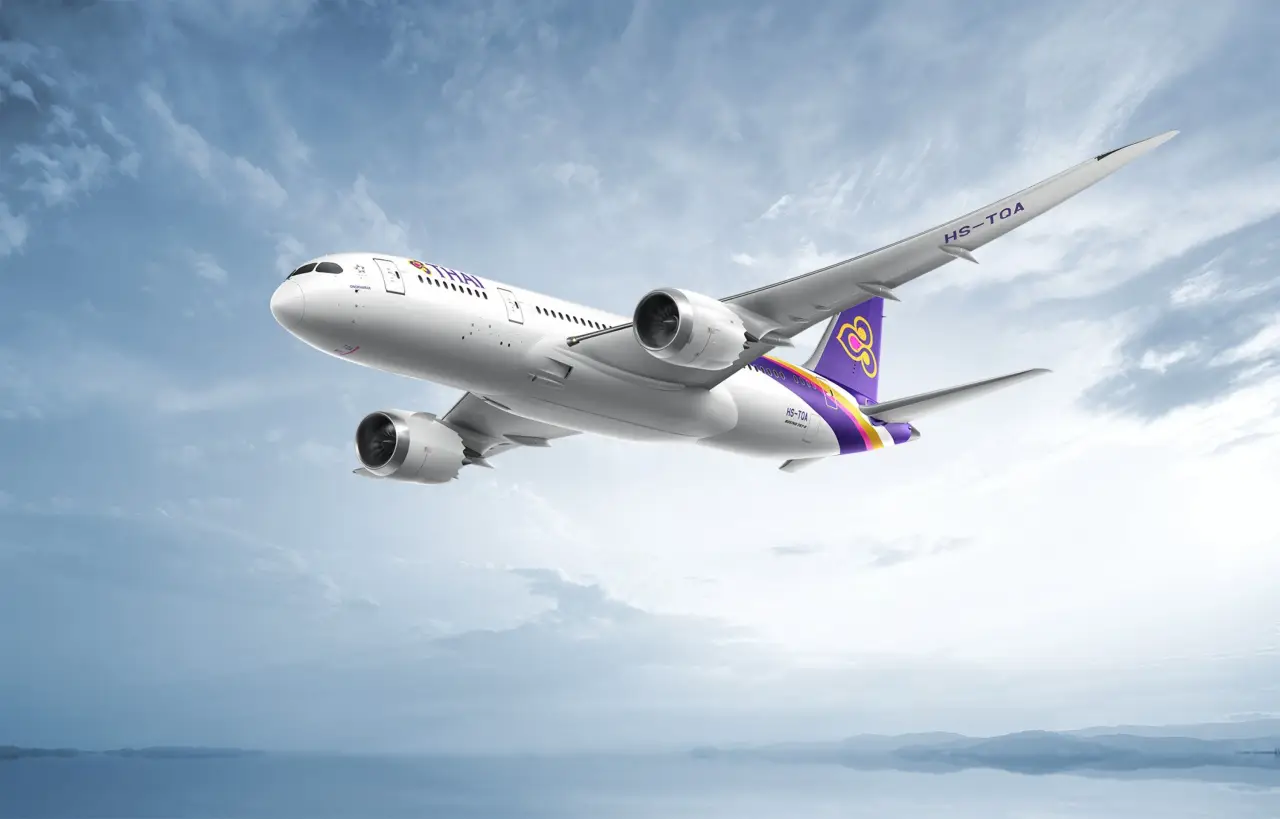
Thai Airways International plans to add more European flights, including a daily Bangkok-Amsterdam service from 1 July, even as it warns of short-term pressure from Middle East tensions and possible jet fuel shortages.
The flag carrier said it was monitoring fuel costs, route networks and cash flow closely as it prepared for the expanded schedule. The airline said it was also shifting capacity toward higher-potential markets and delaying some non-urgent investments.
In a filing to the Stock Exchange of Thailand, THAI said it was taking proactive steps to protect performance while geopolitical uncertainty and tariff risks remain elevated. The airline operates to 62 destinations on its summer schedule and said it wants to keep adequate liquidity to withstand volatility.
The move comes as the International Air Transport Association raised concerns about possible fuel shortages and flight cancellations in Europe and parts of Asia in the short term. At the same time, IATA expects global air travel demand to more than double by 2050, led by growth in the Asia-Pacific region.
THAI said it resumed profitability in the first quarter of 2026 despite a slight dip in revenue. Total revenue excluding one-time items fell 1.2% year-on-year to 51.0 billion baht, while quarterly net profit rose 2.7% to 10.1 billion baht.
The airline said passenger and excess baggage revenue fell 2%, but average passenger yield stayed in line with the previous year even after the baht strengthened. It said pricing strategies and revenue management helped offset the currency impact.
Fuel remains a key concern for the carrier, which said it is using hedging, efficiency improvements and regular price monitoring to manage costs. THAI said it will continue to adjust routes and frequencies according to demand and will focus more on high-potential, low-risk markets.
The airline’s caution also reflects wider pressure on Thailand’s tourism outlook. The Tourism Authority of Thailand has cut its 2026 arrival target by 18% to 30 million to 34 million visitors, citing weaker demand from key long-haul markets, route constraints, fuel price swings and global competition.
THAI said the first quarter results were helped by lower finance costs and one-time items. As of 31 March, it had 80 aircraft in operation, including 11 company-owned planes and 69 leased aircraft.
The planned Amsterdam expansion signals that the airline is still betting on long-haul demand, even while it prepares for a more uncertain operating environment. Its filing said the company would continue stress testing and scenario analysis so it can adjust business plans quickly if conditions worsen.