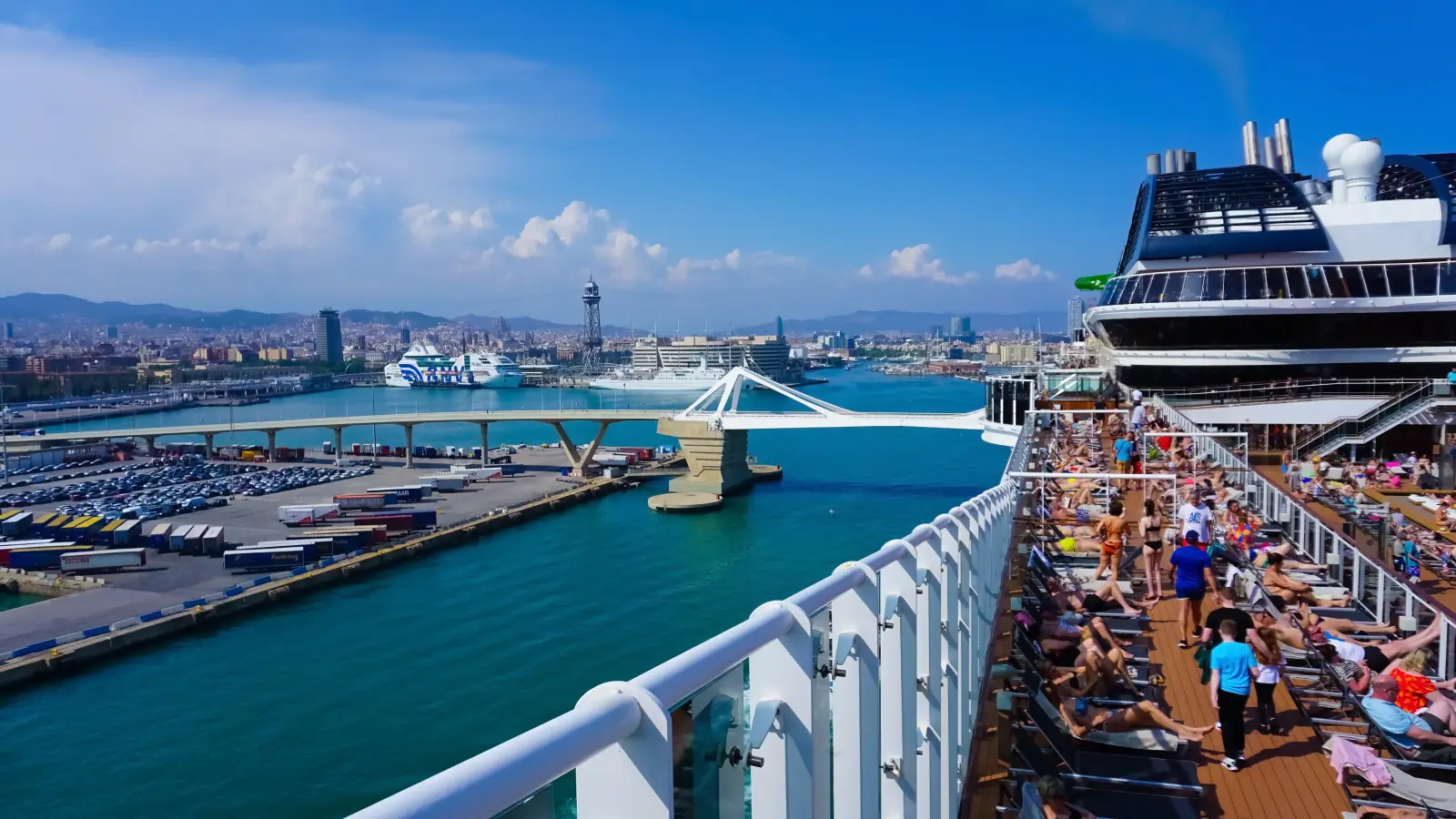
Cruise ships have once again come under scrutiny after two health incidents in the space of 2 weeks, including the MV Hondius case and an outbreak of gastroenteritis on board a vessel off the coast of Bordeaux. The outbreaks have prompted questions about why large ships can become fertile ground for infection.
Health experts say cruise liners can help diseases spread because they bring many people together in close quarters for long periods. Shared dining areas, cabins, lifts and entertainment spaces can all increase the chances of transmission once an illness enters the ship.
The latest concerns come as passengers and operators weigh the risks of travelling at sea. While the article does not give a final cause for either incident, it highlights how quickly viruses and gastroenteritis can move through a confined floating population.
Cruise ships have long posed a challenge for public health because of the way they are designed and operated. Thousands of people may live, eat and socialise in the same enclosed environment, often with limited space to isolate anyone who becomes unwell.
That setting can make routine hygiene measures more difficult to maintain. Even when crews step up cleaning and monitoring, pathogens can still spread through shared surfaces, airborne droplets or contaminated food and water, depending on the illness involved.
The MV Hondius incident has added to public concern, with earlier reporting indicating passengers were evacuated and at least seven cases were confirmed. In the Bordeaux case, officials reported gastroenteritis on board a cruise ship off the French coast, adding to the sense that outbreaks at sea are not isolated events.
Such incidents are not unique to one company or route. Cruise travel brings together passengers from different countries, ages and health backgrounds, which can make containment harder when an infection appears mid-voyage.
Public health authorities often stress that rapid reporting, isolation and sanitation are key to limiting spread. On a cruise ship, however, those measures must be carried out in a tightly packed environment where people continue to share many of the same spaces each day.
Experts also point out that passengers may be more likely to seek help only after symptoms begin to spread among their cabin-mates or travel groups. By then, an outbreak can already be under way.
Cruise lines typically respond with enhanced cleaning, medical checks and, in serious cases, passenger evacuation or itinerary changes. The scale of the response depends on the illness, the number of cases and the speed at which symptoms appear.
The two incidents in 2 weeks have revived an old question for the industry: how can cruise travel stay safe when its very appeal lies in bringing large numbers of people together in one place? For now, health officials and operators appear focused on containment, monitoring and preventing further spread.