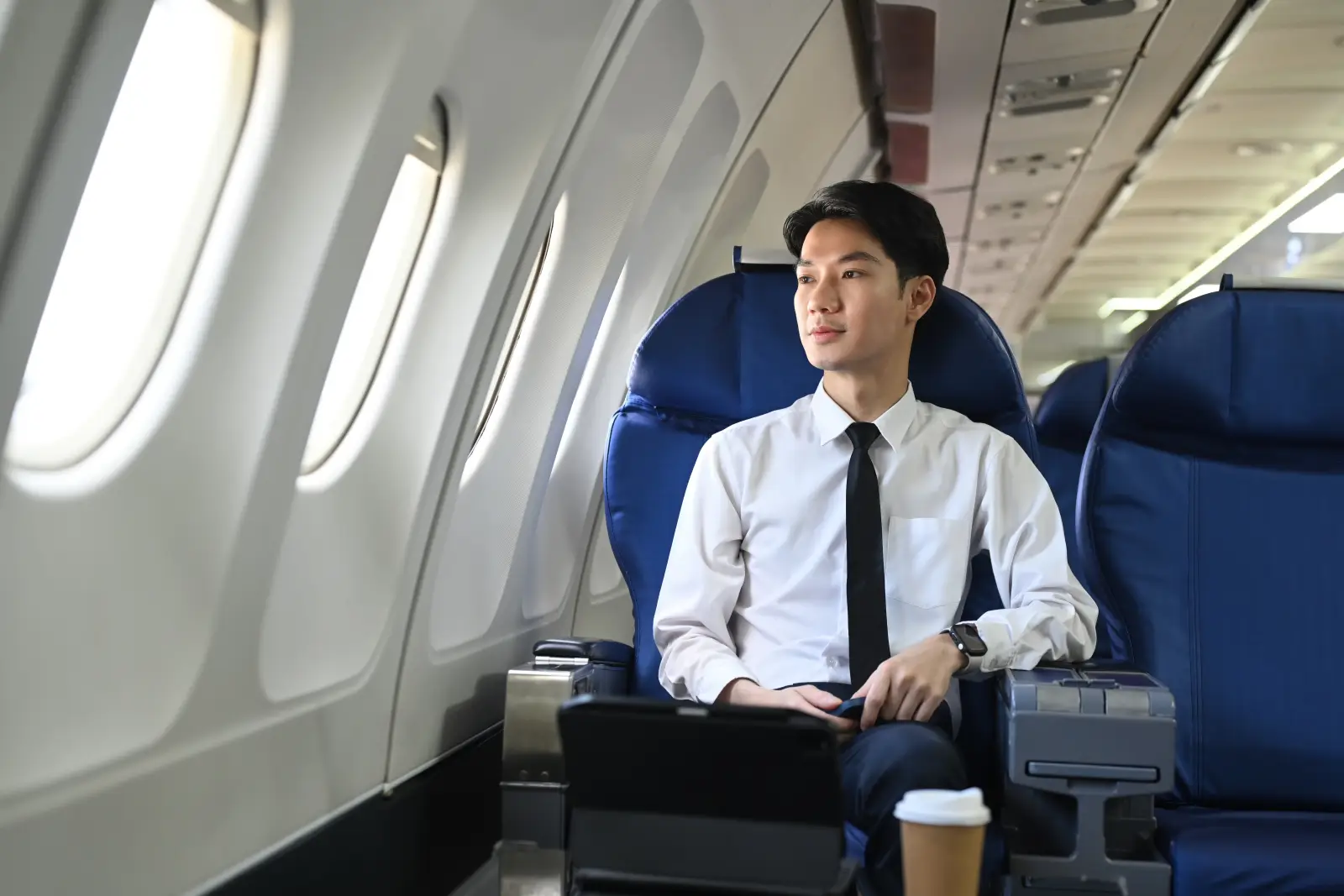
A new study by the Global Business Travel Association and Grab For Business found that navigating transportation in unfamiliar places is the biggest source of stress for business travellers in Southeast Asia.
The survey of 1,200 business travellers across Indonesia, Malaysia, the Philippines, Singapore, Thailand, and Vietnam also found that 83% of respondents book ground transportation outside company policy or approved vendors. The report highlights growing gaps between corporate travel programmes and the real-world behaviour of employees during work trips.
Ground transportation plays a major role in business travel across the region. Nearly 78% of respondents use it for airport-to-hotel transfers, while 71% rely on it to reach offices or client meetings, and 70% use it for early morning airport trips.
Despite its importance, almost one-third of travellers surveyed said navigating transport in unfamiliar places was the most stressful part of business travel. Other leading concerns included keeping track of receipts and expenses at 25% and staying within company travel policies at 14%.
The report also found that 44% of travellers associate business trip transportation with negative emotions such as stress, uncertainty, or feeling rushed.
Common frustrations included limited transport availability during early or late hours, cited by 54% of respondents, followed by long wait times for vehicles at 53% and unclear pricing at 44%.
Suzanne Neufang, CEO at GBTA, said “Southeast Asia represents some of the world’s fastest-growing business travel markets, and this research shines a light on the critical programme gaps and real-world traveller needs shaping the region today—especially around safety, expense challenges, and technology expectations.”
The study found that ride-hailing services dominate the business travel experience in Southeast Asia. Around 95% of travellers said they use ride-hailing services at least sometimes during work trips, while 88% described ride-hailing apps as their usual transport choice.
Travellers cited convenience, availability, safety, reliability, ease of use in unfamiliar places, and price transparency as the main reasons for choosing ride-hailing platforms.
However, only 58% of respondents said their companies formally manage ride-hailing within corporate travel programmes. Researchers said this lack of integration can reduce company oversight of travel costs while creating uncertainty for employees about reimbursement approvals.
Safety also emerged as a key factor in travel decisions. Around 75% of respondents rated safety as “extremely important” when selecting ground transportation options.
The most valued safety features included verified drivers, clear driver and vehicle information, emergency support tools, live trip sharing, and in-app tracking.
Valerie Khoo, Regional Head, Grab For Business, said “This research highlights a transformative opportunity for companies to improve their travel programmes. Off-policy bookings are a signal of a larger issue: misalignment between approvals and real-world traveller needs.”
The report also highlighted frustration with travel expense claims. Nearly half of travellers said they spend more than 20 minutes submitting expenses for each trip, while 57% described expense reporting as a chore or said they delay the process.
Researchers found strong demand for simpler travel management tools. Around 93% of respondents said they would welcome a single platform for managing ground transportation and meal-related expenses across Southeast Asia.
Valerie Khoo, Regional Head, Grab For Business, said “There are many enterprise-friendly technologies that can help to address these gaps, for example by streamlining ground transportation booking and expense processes with digital tools, companies can enhance efficiency, policy compliance, and traveller safety and wellbeing.”
Photo Credit: Prathankarnpap / Shutterstock.com