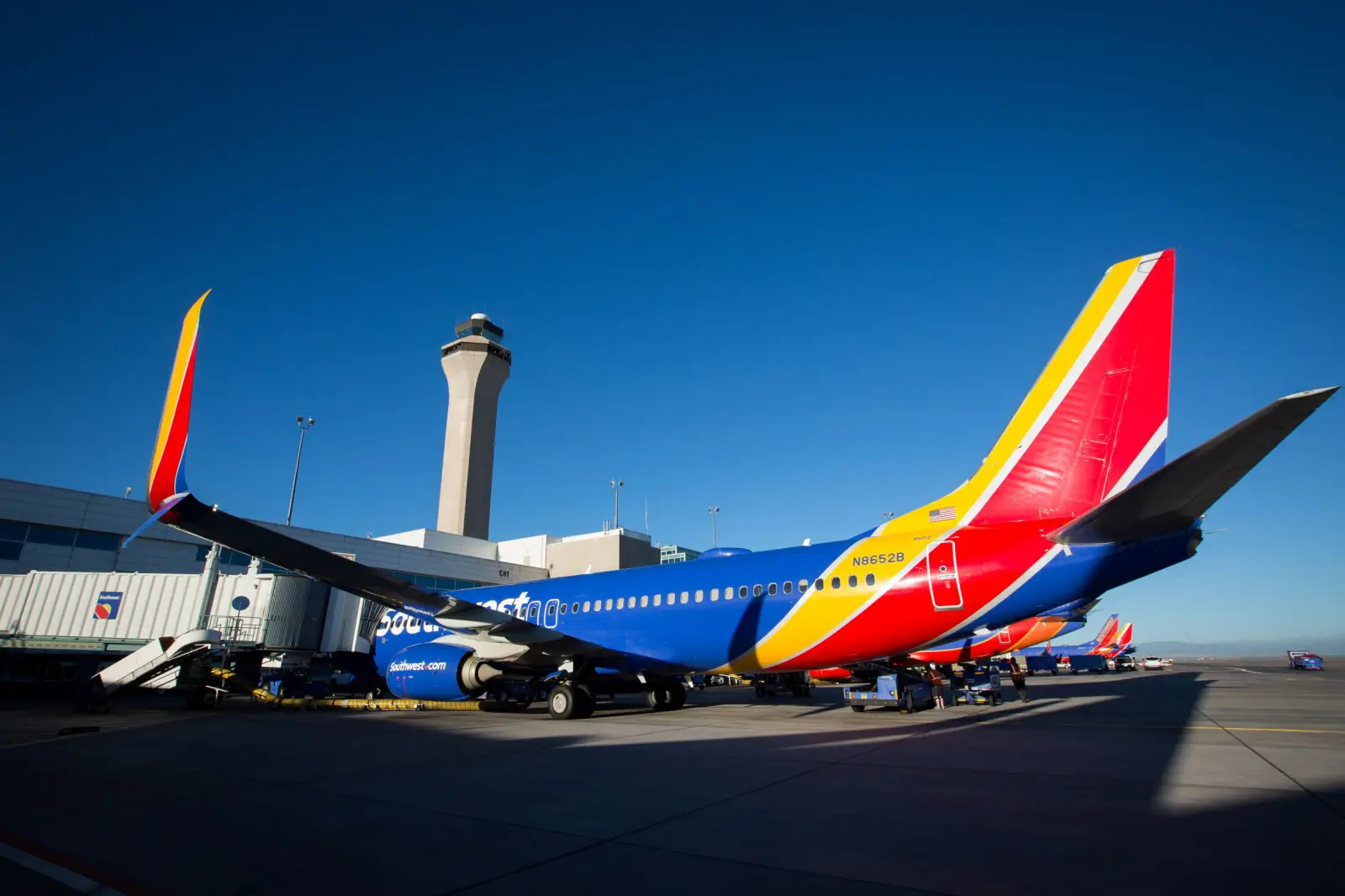
Southwest Airlines has changed part of its policy for passengers who need extra space, after criticism over rules that required some larger customers to buy two tickets in advance.
Under the revised approach, gate agents can now assign a free second seat at the airport if two adjoining seats are available. If no pair of adjacent seats is open, the airline said the passenger will be rebooked on a later flight.
The move marks a partial rollback of a January change that had forced travelers who needed a second seat because of their size to reserve and pay for it before flying. Southwest said the update is designed to create “a more consistent and seamless experience for customers who require an additional seat,” in a statement to CBS News.
The change has been welcomed by some campaigners and travel watchers, but it still falls short of what advocacy group the National Association to Advance Fat Acceptance, or NAAFA, says is needed for larger passengers to travel with dignity. The airline’s revised rules continue to require advance planning for many passengers who need more room.
Southwest’s policy, which applies to its “customers of size”, says passengers who encroach on the neighboring seat or seats must buy the number of seats needed. The airline defines the armrest as the dividing line between seats and says it reserves the right to decide whether a second seat is needed “for safety purposes”.
Passengers who want to avoid problems at the airport are still encouraged to book an extra seat in advance. After the journey, eligible customers can request a refund for the extra seat within 90 days of travel. To qualify, the flight must have departed with at least one open seat and both seats must have been booked in the same fare class.
The January rule change had frustrated some customers, who said they had previously been able to secure two seats for the price of one. Katy Nastro, a travel expert at flight deals website Going, said the reversal was a positive step for the airline. “We’ve seen Southwest dive into the sea of sameness in the past two years, getting rid of pro-traveler policies like bags fly free, and open seating, to name a few,” she told CBS News. “This rollback feels like, for the first time in a while, Southwest is bringing back some of the LUV to its passengers.”
NAAFA also welcomed the shift, while warning that it does not remove all the stress for plus-size flyers. “We commend fat travelers, influencers and activists for calling out recent cruel behavior by Southwest Airlines. Southwest has felt the pressure and responded, by restoring one aspect of their previous policy, allowing personnel to assign an extra seat at the gate if one is available,” NAAFA executive director Tigress Osborn said in a statement to CBS News.
Osborn said passengers who cannot afford to pay for a second seat in advance still face the risk of being moved to a later flight if no adjacent seats are free. She said there is no guarantee over how quickly they will be reassigned, calling the process “very disruptive and stressful”.
Airline policies for plus-size passengers vary across the industry. Delta Air Lines, United Airlines and American Airlines all require some travelers who cannot fit into a single seat without affecting the passenger next to them to buy an additional seat.
The issue has drawn wider attention as airlines balance cabin space, safety and customer service. Southwest has long marketed itself as a customer-friendly airline, and the latest change suggests it is trying to soften one of its most unpopular recent policy shifts without fully restoring the old system.
For passengers who need more room, the practical advice remains unchanged: check the policy before booking, and if possible, reserve the extra seat in advance. The difference now is that Southwest gate staff can step in at the airport if space allows, offering some relief to travelers who had feared they would have to pay upfront every time.