Spanish consumer group Facua-Consumidores en Acción has publicly criticised the Directorate General for Consumer Affairs of the Ministry of Social Rights, Consumer Affairs and the 2030 Agenda for failing to act on its complaint against airline Volotea over post-purchase fuel surcharges of up to 14 euros per ticket.
More than a month has passed since Facua filed its complaint on 20 April 2026, and the consumer body says the ministry has not issued any public position, opened an investigation or warned passengers about the practice. Facua is now calling for a formal sanction procedure to be launched against Volotea and for the authority to publicly state that the surcharge is illegal under Spanish consumer protection law.
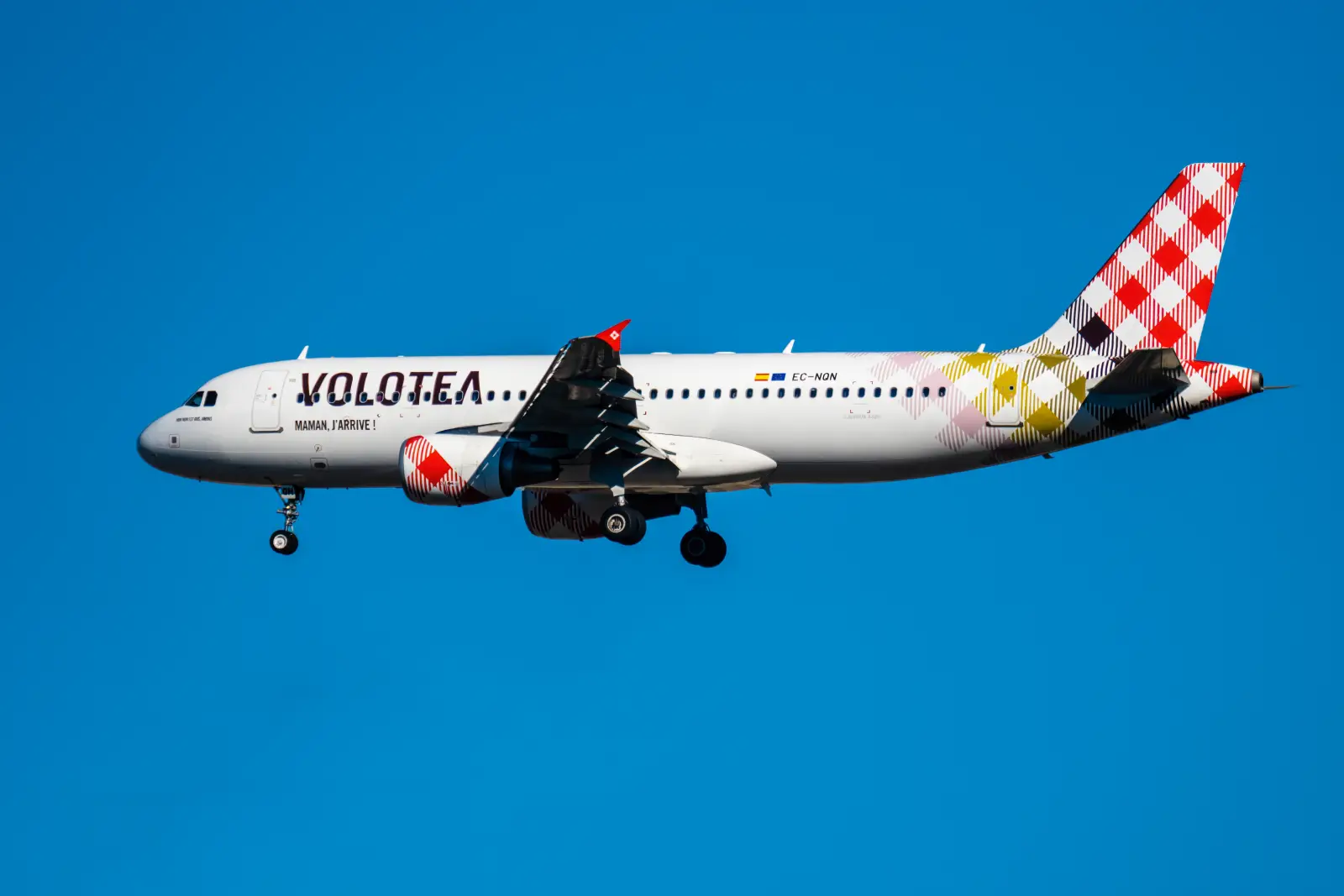
Volotea, a low-cost carrier based in Asturias in northern Spain, introduced what it calls its Fair Travel Promise policy on 16 March 2026, following a sharp rise in oil and jet fuel prices linked to geopolitical tensions in the Middle East. Under the scheme, the airline reviews publicly available fuel prices seven days before each flight departure and adjusts ticket prices accordingly. If the price of Brent crude exceeds 75 dollars per barrel, a surcharge is applied. The maximum charge of 14 euros per passenger per flight is triggered when oil prices exceed 105 dollars per barrel. Volotea is the first Spanish carrier to apply such a mechanism, according to Facua.
The airline has defended the policy, saying it applies only to bookings made after 16 March and arguing that it offers transparency and flexibility. Volotea says 97 percent of affected customers have chosen to proceed with their travel plans since the policy was introduced. It also states that if fuel prices fall below 65 dollars per barrel, passengers will receive a partial or full refund of the fuel component.
Facua disputes this framing. The group argues that passengers who have already paid for a ticket enter into a completed contract and cannot legally be asked to pay more before they board. It also raises concerns about the asymmetry of the mechanism, noting that Volotea would apply the surcharge while fuel prices remain high but that the downward refund mechanism may in practice rarely be triggered. The group also points out that passengers have no way to verify how much of their original ticket price was allocated to fuel costs, making it impossible to assess whether the surcharge accurately reflects real additional expenditure.
Facua‘s position is backed by the European Consumer Organisation (BEUC), which has cited EU transparency rules requiring airlines to disclose all charges in the final ticket price at the point of purchase. BEUC said passengers holding valid tickets have the right to board without incurring subsequent surcharges. The European Commission has also weighed in, confirming that the final price shown at the moment of booking and payment must remain the definitive ticket price, and warning airlines they cannot raise prices on already-purchased tickets by citing a fuel crisis or kerosene shortage.
A spokesperson for the Ministry of Consumer Affairs had previously told Reuters it had received Facua‘s complaint and would study it. However, no further public statement or action has followed, prompting the consumer group to escalate its criticism. Facua argues that the absence of a clear government warning leaves consumers without guidance and risks encouraging other airlines to adopt similar practices ahead of the summer travel season.
Consumer advocates in Spain have previously secured significant outcomes against airlines on pricing practices. Spanish regulators have collectively fined carriers a total of 179 million euros over hidden airline fees in recent years. Italy’s AGCM fined Ryanair 255 million euros last December over its direct sales model and relationship with travel agencies, a case that demonstrated the growing appetite among European regulators to challenge airline pricing structures.
Volotea operates routes across Spain, France, Italy and other European destinations, with a focus on secondary cities and regional airports. The outcome of the Facua complaint and any subsequent regulatory action could have wider implications for how fuel cost volatility is managed across the low-cost airline sector in Europe, where ancillary and variable charges remain a persistent source of consumer disputes.
Photo Credit: JJFarq / Shutterstock.com