A federal appeals court has temporarily blocked Hawaii from enforcing a planned climate-related tax on cruise ship passengers, just days before the levy was due to take effect at the start of 2026.
The ruling, issued on New Year’s Eve, prevents the state from collecting the new fee while legal appeals continue, creating uncertainty for cruise operators and travellers heading to the islands this year.
The tax, challenged by Cruise Lines International Association, would have imposed an 11% charge on the gross fares paid by cruise passengers, prorated for the number of days ships spend in Hawaii ports. Counties would also have been allowed to add a further 3% surcharge, bringing the total potential levy to 14%, a move the cruise industry argues violates the US Constitution.
A climate levy put on pause by the courts
The appeals court decision halts one of the most closely watched tourism policies in the United States. Hawaii’s proposed cruise ship tax is part of a broader package of measures designed to raise funds for climate resilience and environmental protection in a state increasingly affected by extreme weather and rising seas.
On 1 January 2026, a range of new visitor-related taxes were scheduled to come into force. Higher rates on hotel rooms and short-term vacation rentals have gone ahead, but the cruise ship levy has been singled out for legal challenge and is now on hold pending further court decisions.
The law, signed in May by Hawaii Governor Josh Green, was expected to generate nearly $100 million (€85 million) a year. State officials said the money would be directed towards projects such as replenishing sand on eroding Waikiki beaches, encouraging the use of hurricane clips to secure roofs during powerful storms, and removing flammable invasive grasses that helped fuel the deadly Lahaina wildfire.
Green has repeatedly argued that Hawaii’s 10 million annual visitors should play a greater role in protecting the environment for the state’s 1.4 million residents. He has said travellers would accept higher taxes if the funds were used to safeguard the landscapes and beaches that draw people to the islands in the first place, believing visitors would be willing to pay more to “keep the beaches perfect”.
What the ruling means for travellers and cruises
The lawsuit brought by Cruise Lines International Association claims the tax unlawfully targets cruise ships for entering Hawaii ports and would ultimately raise prices for passengers. The group argues that, combined with existing charges, the levy could make cruising to Hawaii significantly more expensive compared with other destinations.
Last week, US District Judge Jill A. Otake upheld the law, but both the cruise industry and the US government appealed her decision to the 9th US Circuit Court of Appeals. Two judges on that court granted an injunction, temporarily stopping enforcement of the tax while the appeals are heard.
“We remain confident that Act 96 is lawful and will be vindicated when the appeal is heard on the merits,” said Toni Schwartz, Spokesperson for the Hawaii attorney general’s office. She added that the order pauses enforcement of the law on cruise ships only while the appeals process moves forward.
For travellers planning cruises to Hawaii in 2026, the ruling means fares are unlikely to include the new climate tax for now. However, the situation could change quickly if the courts ultimately side with the state, potentially leading to higher costs later in the year or in future seasons.
The legal battle highlights a broader tension facing popular destinations worldwide: how to balance mass tourism with the need to fund environmental protection. As climate impacts become more severe, governments are increasingly looking to visitor taxes as a way to pay for resilience and conservation, even as parts of the travel industry push back.
For Hawaii, the outcome of the case could shape how far states can go in asking tourists to contribute directly to climate solutions. Until a final ruling is reached, the future of the cruise passenger tax — and similar measures elsewhere — remains uncertain.
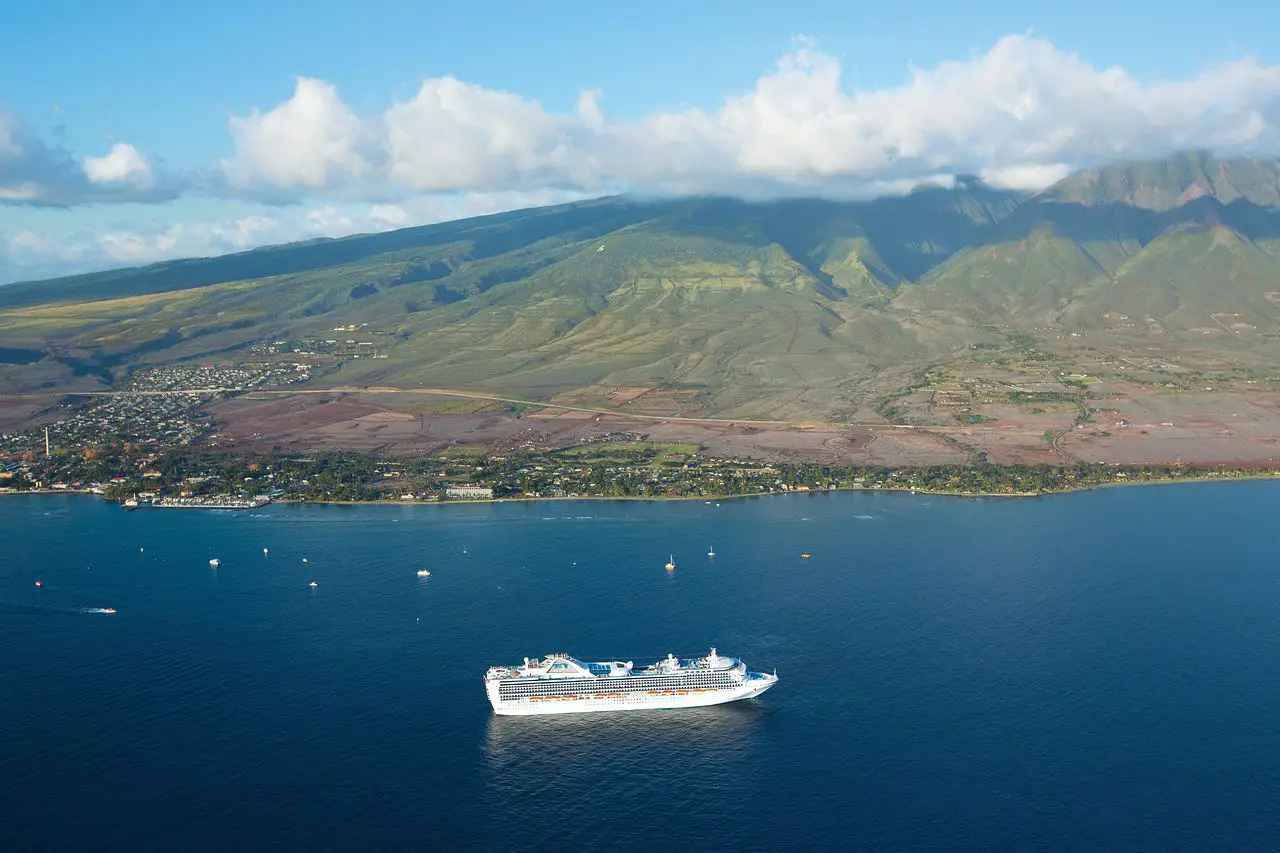
Photo Credit: Princess Cruises