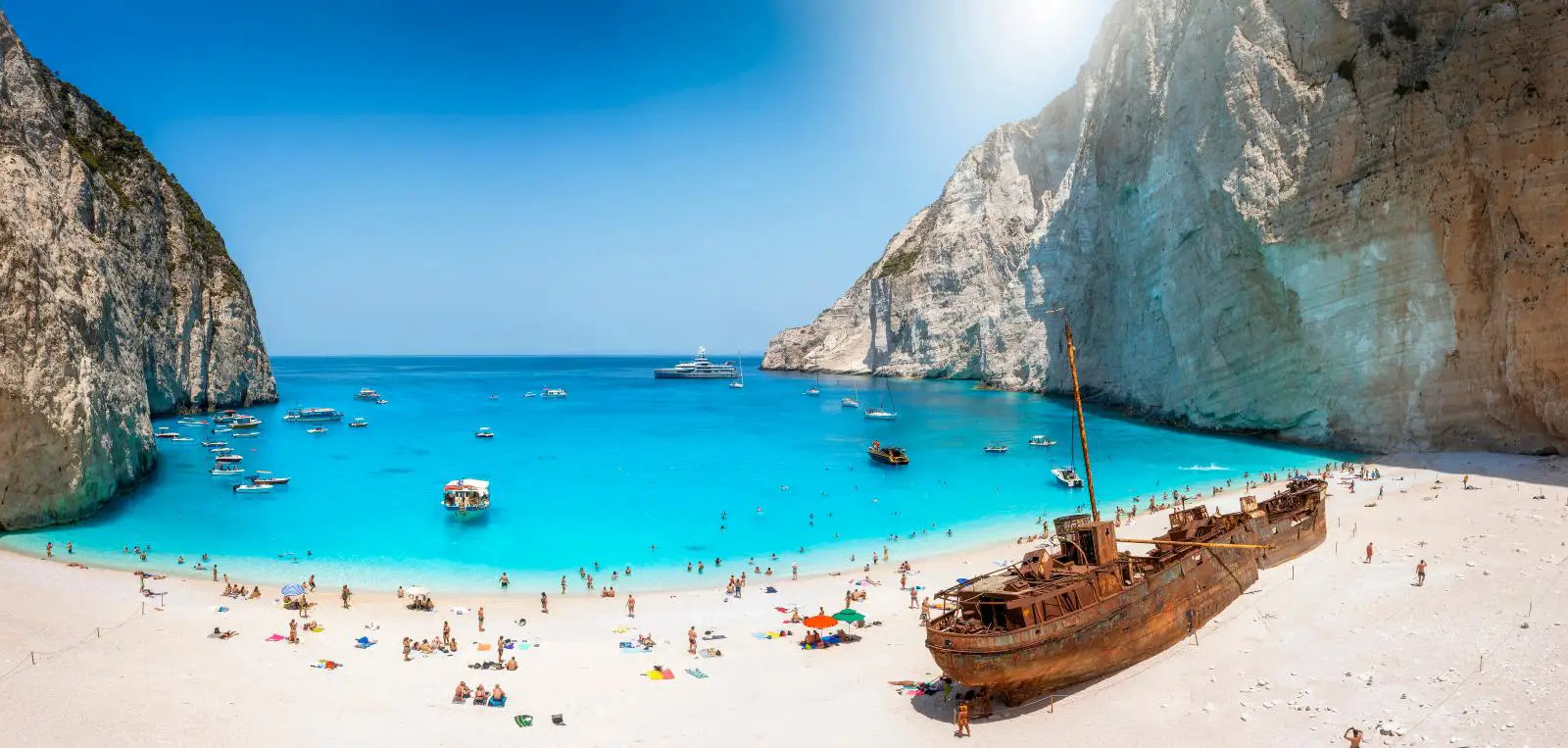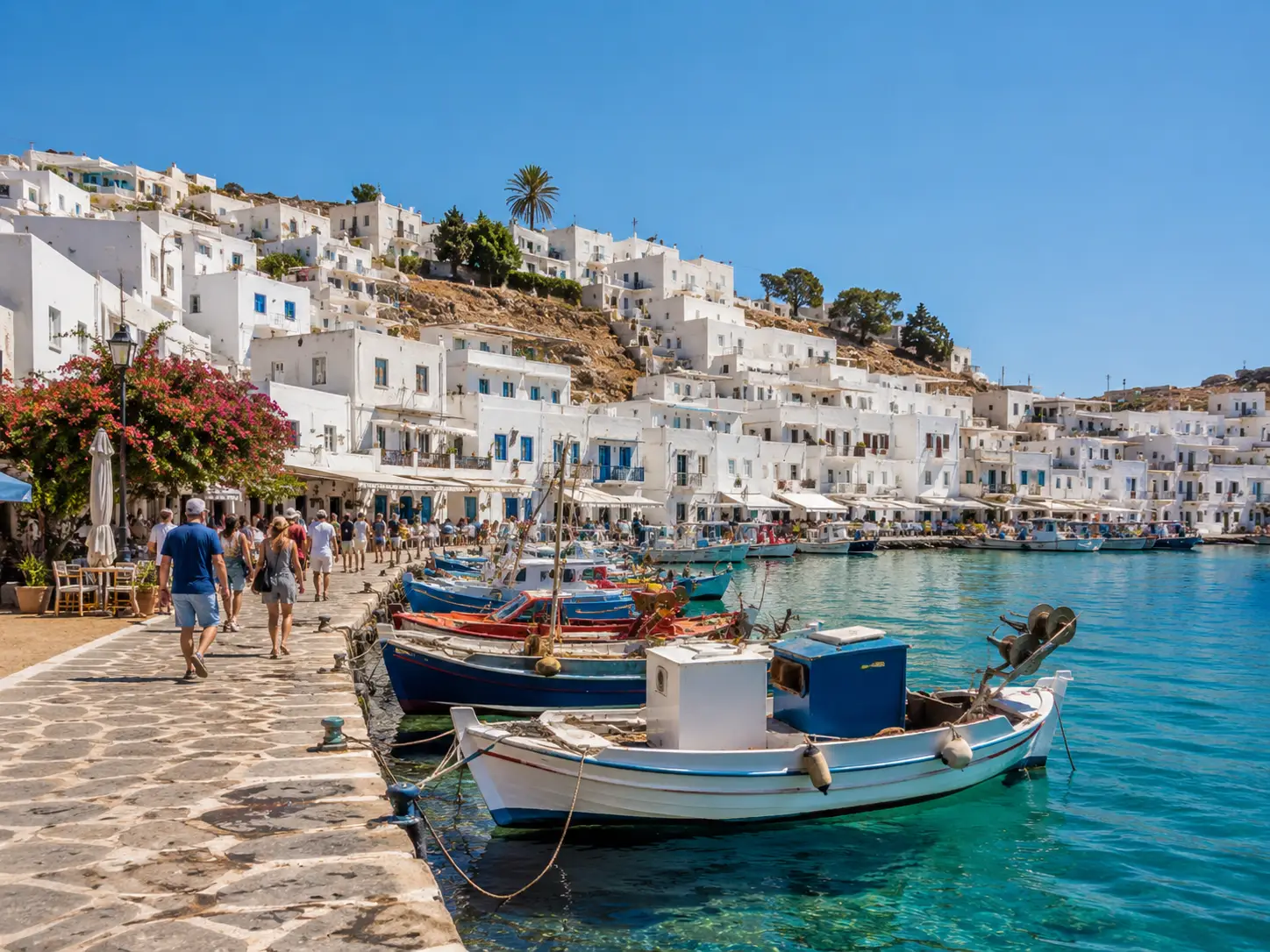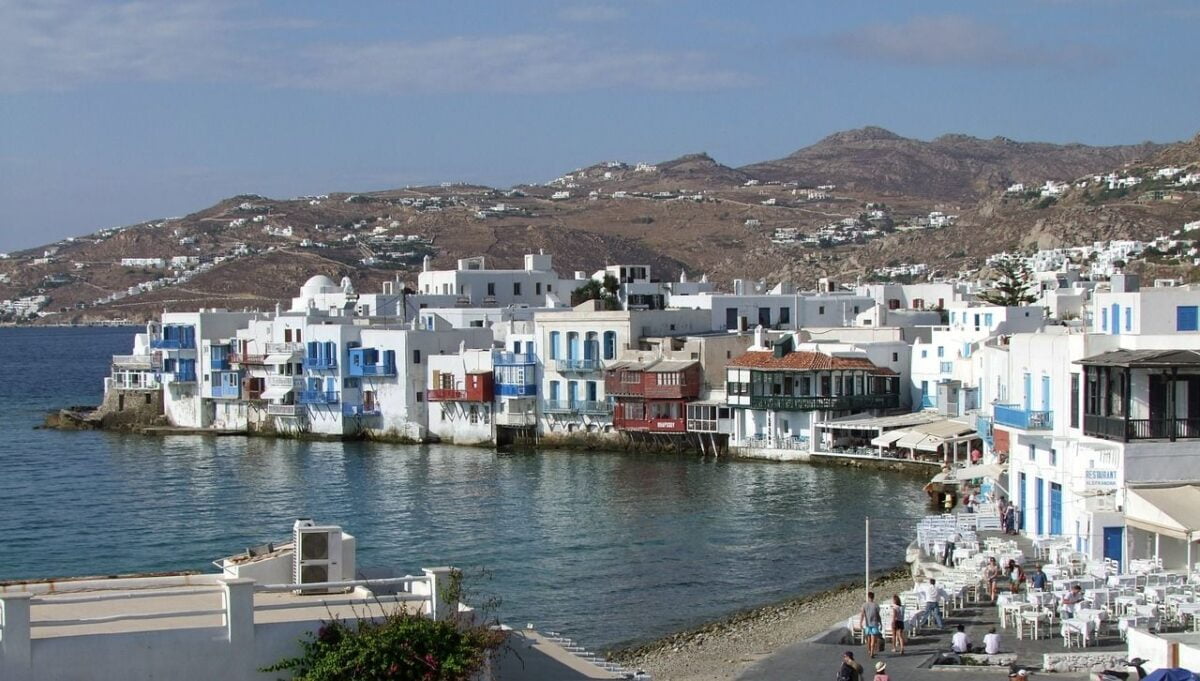
Greece has unveiled a new cruise ship tax, officially called the “sustainable tourism fee,” directly impacting anyone disembarking on popular islands like Mykonos and Santorini. While most headlines focus on the effect for ordinary tourists, there’s another group that shouldn’t be overlooked: the countless YouTubers and social media influencers who flock to these islands each year, hoping to create the next viral travel video.
Not Just for Tourists: How Content Creators Are Affected
This new tax is designed to curb overtourism and ensure that everyone contributing to the pressure on Greece’s infrastructure pays their share, including digital creators. In recent years, YouTubers have played a major role in popularizing Greek islands, especially Mykonos and Santorini. Their videos, often showcasing the islands’ most photogenic spots, drive even more interest and bookings. With the introduction of this fee, creators who arrive by cruise ship will now have to pay the same rates as every other passenger—sometimes as much as €20 per visit during peak season.
The Influence Economy: Promoting Islands for Views
It’s not uncommon for travel influencers and aspiring YouTubers to invest in boosting their content, sometimes by choosing to buy YouTube comments or other forms of artificial engagement to make their videos seem more popular. This strategy helps them climb search rankings, gain more visibility, and ultimately attract more followers. The downside is that such tactics can create a wave of hype that’s not entirely organic, accelerating the problem of overcrowding as destinations go viral. In this context, the cruise tax also acts as a gentle check on those who profit from promoting the islands, ensuring they contribute to the costs of keeping these places sustainable.
Why Greece Is Taking Action Now
With cruise traffic reaching record highs, over a million cruise passengers visiting Mykonos last year alone, the government is under increasing pressure to protect the islands’ unique character and fragile resources. The new tax, charged per passenger and per port call, is meant to fund local infrastructure improvements and ease the negative impact of mass tourism. By including content creators in this scheme, Greece acknowledges the influence of digital promotion and the real-world effects that viral videos can have on a small island community.
What This Means for the Future of Travel Content
As the line between “tourist” and “content creator” continues to blur, new policies like Greece’s cruise tax highlight the responsibilities that come with promoting travel destinations online. Creators aiming to capture the magic of Mykonos or Santorini will now factor this cost into their trips, just like everyone else. And as the pressure on iconic destinations grows, it’s likely we’ll see more countries adopt similar approaches, recognizing that digital hype and physical footprints go hand in hand.