Luxury travel has entered a quiet revolution. The world’s most affluent travelers are no longer chasing opulence for its own sake but searching for meaning in their indulgence. The marble lobbies and infinity pools of old have given way to timber lodges powered by solar panels, to journeys that linger instead of rush. A new breed of traveler has emerged—one that measures wealth not by excess but by empathy.
For years, luxury meant distance—a bubble of comfort sealed away from the messy realities of the planet. Now, that bubble is bursting. The McKinsey & Company insight on today’s luxury traveler notes that younger affluent consumers place authenticity, sustainability, and emotional connection above ostentation. They want travel that “creates a story worth telling”—experiences that feel restorative rather than extractive.
Hospitality leaders have taken notice. Recent reports find that a large share of high-income travelers will pay significantly more for visible sustainability features. Thread counts and chandeliers are giving way to rainwater systems and reef-safe amenities. The new badge of sophistication is subtle—a quiet kind of care.
Fresh survey results from the Preferred Hotels & Resorts Luxury Travel Trends Report echo this shift, highlighting “Purpose Over Prestige” and a strong desire for authentic local immersion. Modern luxury is increasingly about connection rather than collection.
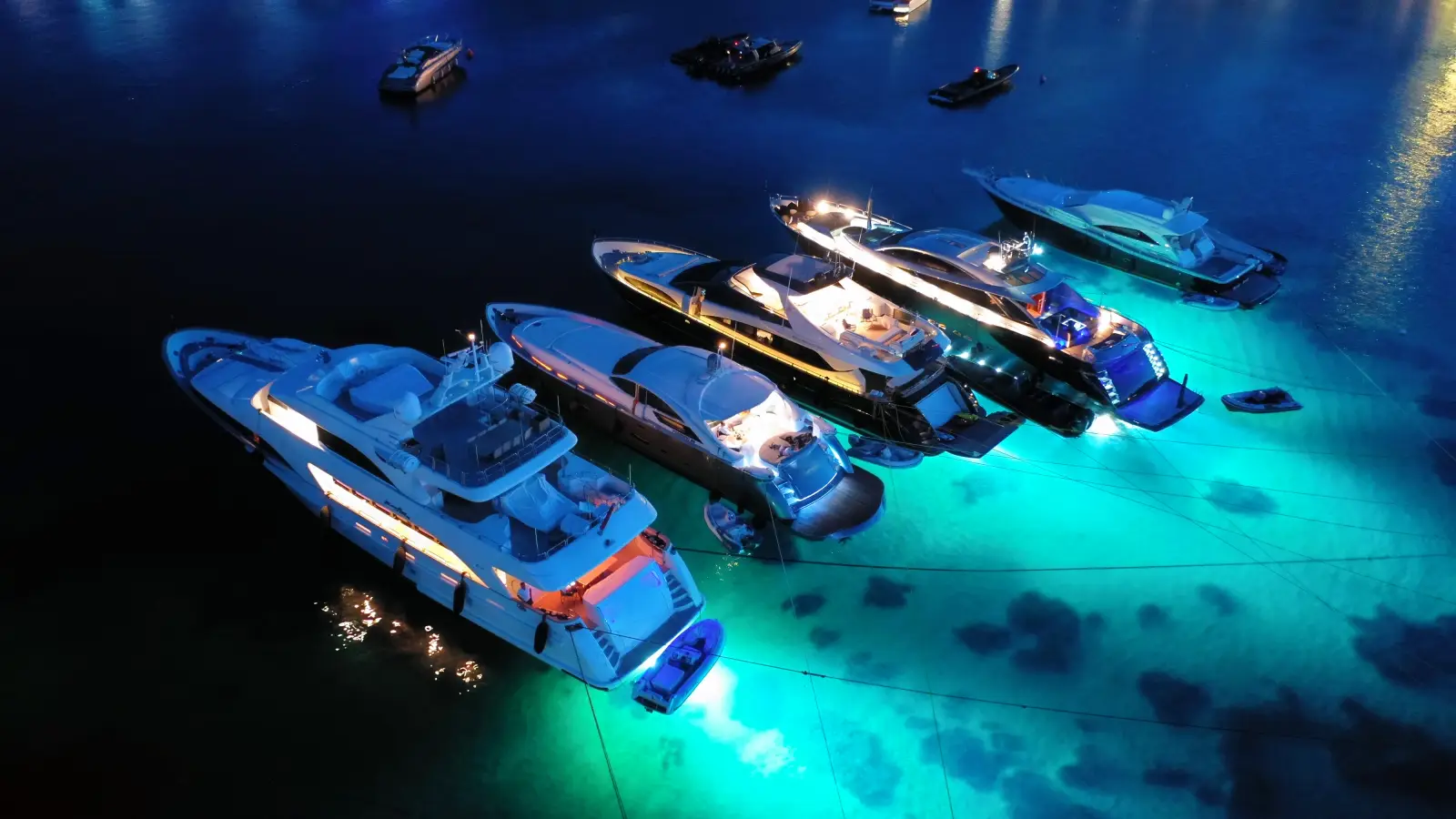
In this reimagined landscape, time itself has become the greatest luxury. “Slow travel” has evolved from niche concept to status symbol. Rather than hop from port to port, discerning travelers prefer to drift—to let destinations unfold. Many now choose to charter a superyacht not for speed or spectacle but for solitude and stillness.

Operators such as Ocean Independence have embraced this cultural pivot, designing tailor-made itineraries that emphasize privacy, sustainability, and a deeper relationship with the sea. A new generation of hybrid and wind-assisted yachts enables exploration of pristine coastlines with a lighter footprint. The appeal lies in the silence, the clean technology, and the sense of harmony with nature.
The Henley & Partners Global Mobility Report 2025 reinforces this momentum, noting that high-net-worth travelers increasingly seek remote, nature-rich destinations and providers with strong sustainability credentials—from rewilding estates in Scotland to coral-restoration voyages in Indonesia.
Today’s luxury is as much about intention as indulgence. At high-end eco-retreats around the world, architecture blends with landscape, chefs design zero-waste menus, and guests contribute to conservation projects. It isn’t self-denial—it’s evolution. A sunset feels richer when the yacht beneath you runs on renewable energy; a glass of wine tastes better when the vineyard is organic. Prestige is being redefined as comfort in rhythm with nature.
The influence of this shift is reshaping hospitality design. Where once resorts competed on grandeur, they now compete on quiet impact. Guided by trends surfaced in WATG’s research, brands are embracing biophilic architecture, natural materials, and community collaboration. Locally crafted furniture replaces imported décor; vernacular design is celebrated rather than concealed. Guests plant trees, join reef-cleaning dives, or learn traditional crafts—details that are both beautiful and mindful.
Some argue that sustainable luxury remains accessible to a privileged few. Yet influence matters. When the wealthiest travelers normalize responsible choices, they set trends that ripple outward. Innovations born in luxury—carbon-neutral charters, refillable amenities—often trickle down to mainstream tourism. Airlines test biofuels, hotel groups phase out single-use plastics, and fine-dining chefs lean into seasonal, local sourcing. Sustainability has quietly become the new language of aspiration.
Perhaps the most striking part of this transformation is its rediscovery of wonder. In trading excess for awareness, travelers are finding beauty in simplicity again: the sound of waves, the smell of cedar, the rare gift of stillness. Luxury, in its newest form, is no longer about how much one can consume but how deeply one can connect. The conscious-luxury traveler seeks balance—between self and planet, comfort and conscience. The truest indulgence, it seems, is not escape, but belonging.
Photo Credit: Aerial-motion / Shutterstock.com