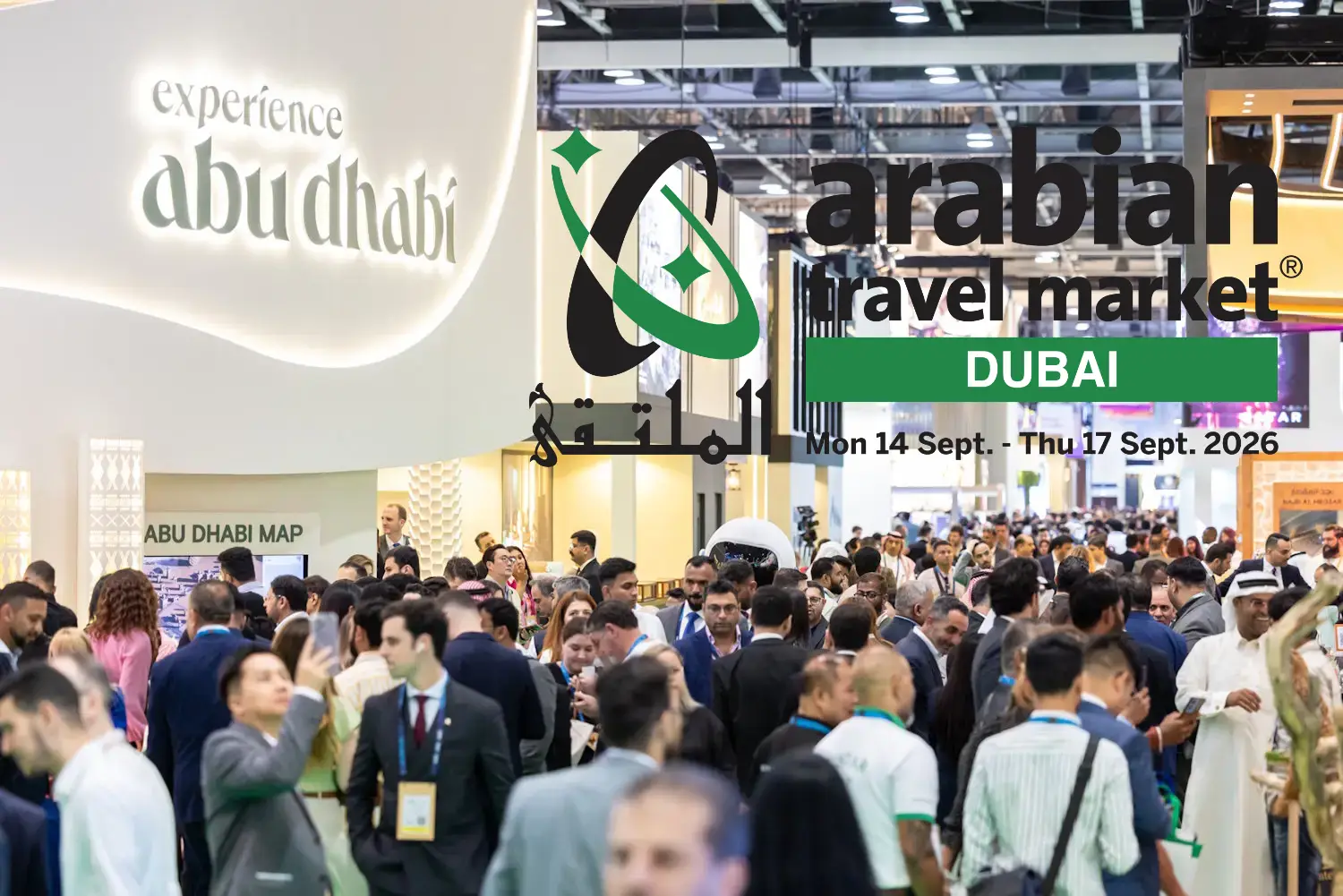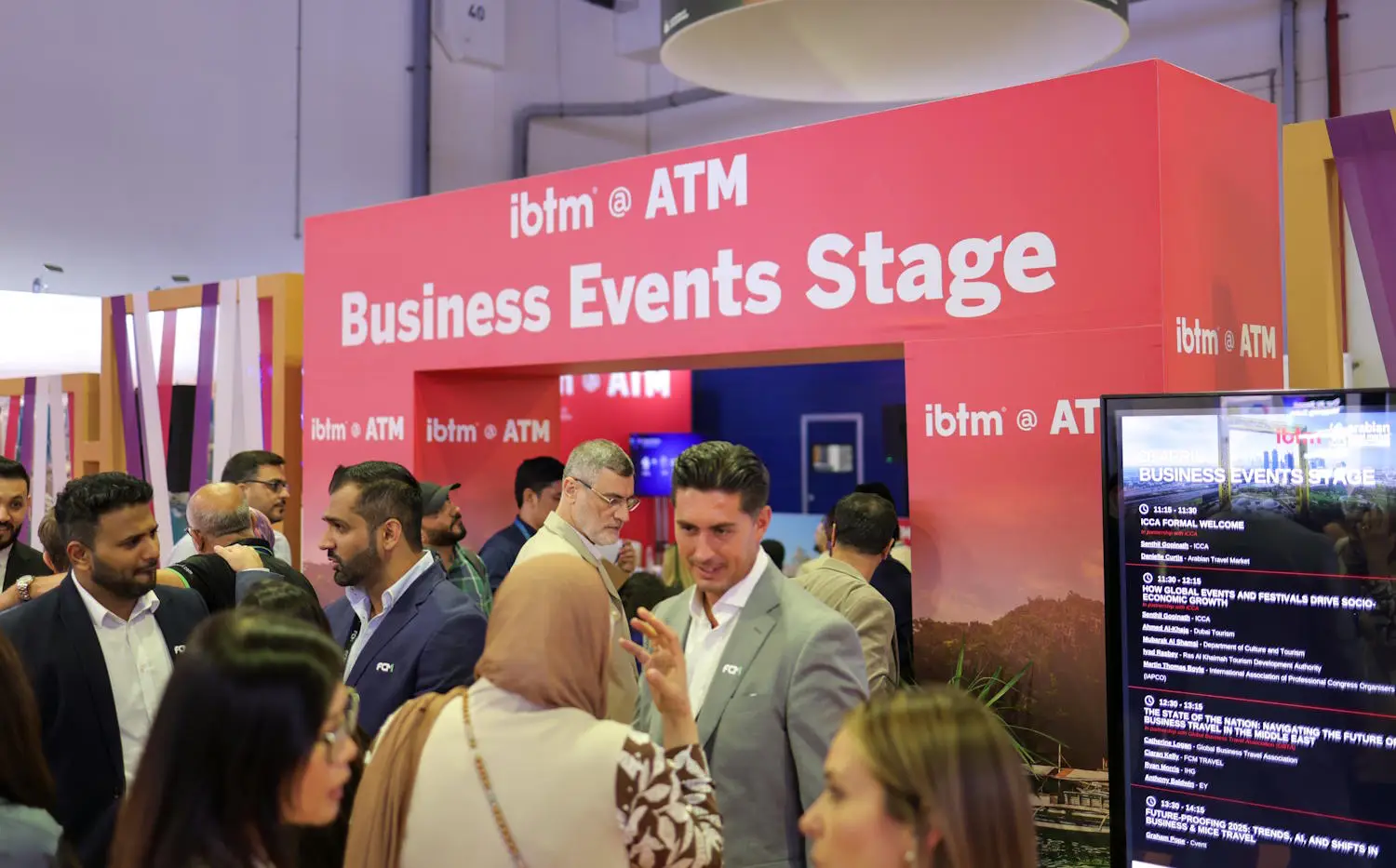
Asia Pacific’s travel sector is experiencing a remarkable resurgence, and all eyes were on this dynamic region at the 2025 edition of Arabian Travel Market (ATM) in Dubai. According to new insights unveiled during the event, international travel spending from the Asia Pacific (APAC) region is forecast to reach a staggering US$2.5 trillion by 2029, while domestic tourism will exceed US$4.3 trillion. A projected annual growth rate of 7% in outbound travel underscores the region’s rising influence on global tourism trends.
The conference brought together top industry leaders, analysts, and tourism officials to explore what’s driving this momentum. A standout panel session moderated by Mingie Wang of China Daily featured perspectives from Alhasan Aldabbagh (Saudi Tourism Authority), Gary Bowerman (Check-in Asia), Boon Sian Chai (Trip.com Group), and Shahab Shayan (Dubai Department of Economy and Tourism). Their discussion focused on changing traveler behavior, digital influence, and the role of cultural storytelling in appealing to modern Asian travelers.
Digital Tools and Popular Culture Lead the Way
Data presented at ATM emphasized how digital tools are reshaping the way travelers in APAC plan, book, and experience their journeys. By 2025, 75% of bookings are expected to be made online, with mobile-first platforms leading the charge. Popular culture is also shaping destination choices, with a noted uptick in travel to places featured in television shows and movies. One example cited was the increase in bookings to Thailand following the global popularity of “The White Lotus.”
Short-form videos and social media platforms—particularly TikTok, Bilibili, and Red Note—are having an outsized influence. Over 40% of APAC travelers report being influenced by what they see on digital platforms, and more than 60% have planned trips around concerts, sports events, or pop culture landmarks.
Top Influencing Factors for APAC Travelers
| Factor | Percentage of Travelers Influenced |
|---|---|
| Concerts & Sporting Events | 60%+ |
| Social Media (TikTok, Bilibili) | 40%+ |
| Television & Film Locations | Rising Influence |
| Peer Reviews and Influencer Content | Significant Impact |
Localized Strategies in the Spotlight
Countries like the United Arab Emirates and Saudi Arabia are refining their approach to tap into APAC markets. Dubai’s Economic Agenda (D33) includes targeted outreach using regional platforms and tailored messaging. The city’s tourism authorities are also leveraging strong airline connectivity through carriers like Emirates and flydubai to make the destination more accessible.
Saudi Arabia, still relatively new to the APAC market, is implementing a hyper-localized approach. By studying cultural nuances and traveler preferences in each of the 49 countries within the region, Saudi tourism officials aim to curate experiences that feel authentically tailored. These efforts include customizing cuisine offerings, aligning with regional holidays, and investing in partnerships with local media and trade organizations.
China and India Lead the Spend Surge
Chinese travelers remain among the highest spenders globally, with APAC tourists averaging US$300 per person per day across accommodation, food and beverage, and retail. Tourism Economics, reporting on behalf of ATM, projects a 189% increase in tourism nights from China to the Middle East by 2030. India is also gaining prominence as a key outbound market, contributing significantly to both leisure and business travel segments.
Furthermore, APAC markets are expected to account for the largest share of business nights in the region, positioning them as critical players not only in holiday tourism but also in MICE (Meetings, Incentives, Conferences, and Exhibitions) travel. These shifts present major opportunities for destinations seeking year-round economic impact from international visitors.
Rising Focus on Sustainability
Travelers from APAC, particularly millennials and Gen Y, are increasingly factoring sustainability into their travel decisions. According to research shared by Trip.com, 30–40% of young travelers are willing to pay more for eco-friendly travel options. Importantly, this commitment goes beyond carbon offsets—it includes support for local businesses, respect for heritage, and responsible use of resources.
Destinations and tourism brands that highlight cultural preservation, sustainable sourcing, and authentic community engagement are more likely to attract these conscientious consumers. In a competitive global market, aligning with these values is fast becoming a necessity rather than a niche advantage.
The Road Ahead: APAC’s Global Impact
Intra-regional travel continues to dominate, accounting for 61% of trips within APAC by the end of 2025. However, long-haul travel from the region is also gaining momentum. By 2029, one in three outbound trips from APAC is expected to go beyond its borders, representing a significant opportunity for global tourism hubs to attract new audiences.
As the ATM 2025 discussions revealed, success in the APAC market requires more than translation and promotion—it demands deep cultural fluency, trusted digital ecosystems, and a willingness to co-create experiences with the travelers themselves. With trust in peer content and authenticity guiding decision-making, destinations that prioritize genuine engagement will stand out.
For tourism boards, hospitality providers, and global travel brands, understanding APAC’s layered landscape is the first step toward sustainable growth. And as ATM returns to Dubai in May 2026, it’s clear that the conversation about Asia Pacific’s pivotal role in shaping the future of travel is only just beginning.