Bosphorus luxury hotels face demolition for illegal construction in Istanbul following a ruling by the Cultural Heritage Preservation Board. Authorities have identified unauthorized changes that violate zoning and heritage regulations along this iconic waterfront.
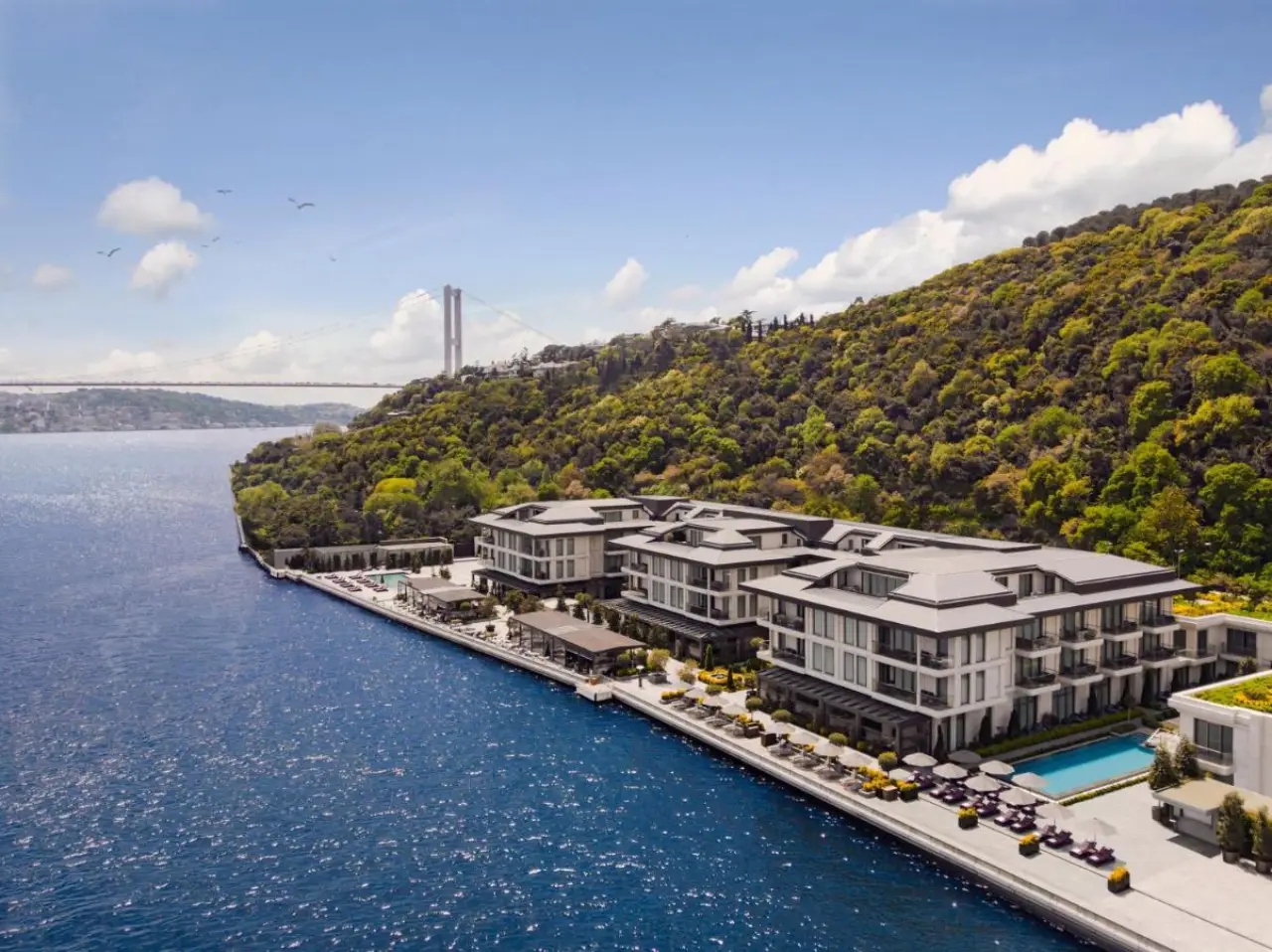
Six structures, including the historic Bebek Hotel and Mandarin Oriental Bosphorus, are targeted in districts known for upscale tourism. The move highlights growing tensions between development and preservation along the Bosphorus.
Heritage Board Orders Demolition
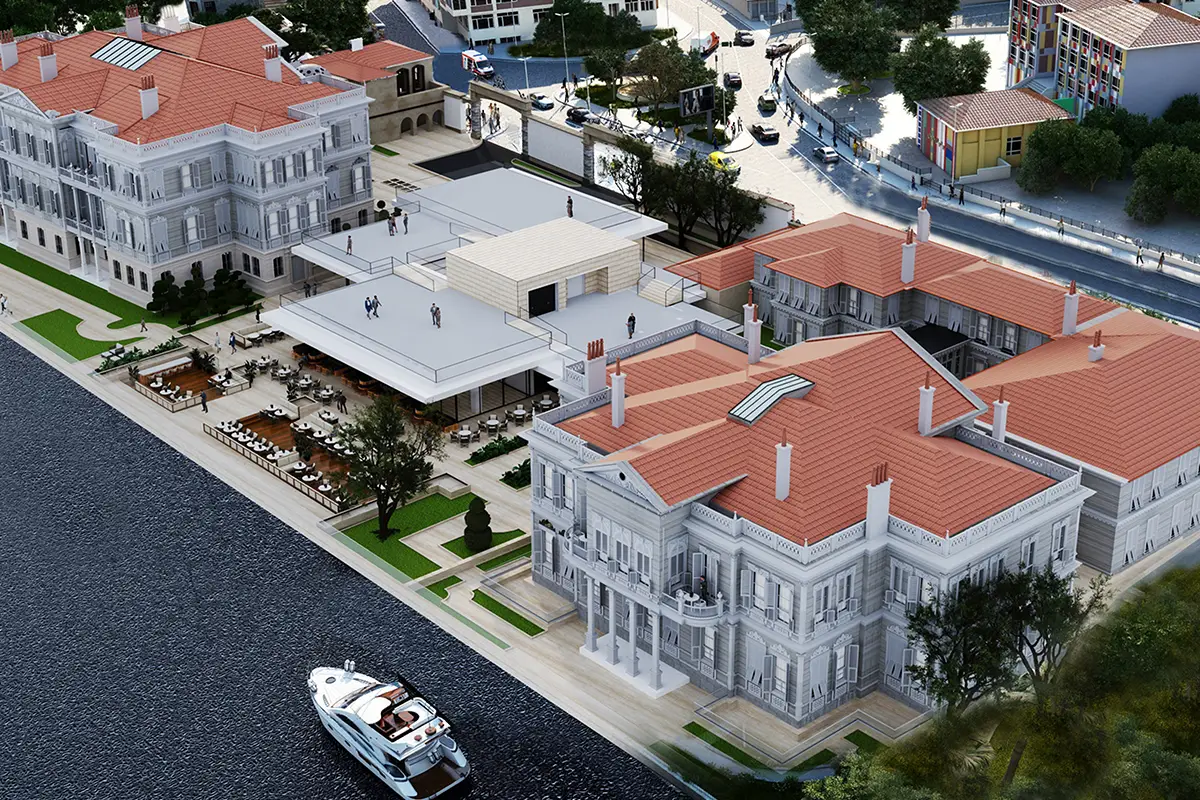
The Cultural Heritage Preservation Board has mandated demolition of six structures out of 106 inspected, citing illegal extensions, roof terraces, and filled seashores. Authorities discovered that some hotels had altered traditional staircases and installed unapproved terraces that modified the Bosphorus shoreline.
Locations and Timeline
| Hotel / Structure | Neighborhood | Scheduled Demolition |
|---|---|---|
| Ottoman Hotel | Kuruçeşme | June 22, 2025 |
| Baylan Bakery | Ortaköy | July 10, 2025 |
| Bebek Balıkçısı (fish restaurant) | Bebek | July 16, 2025 |
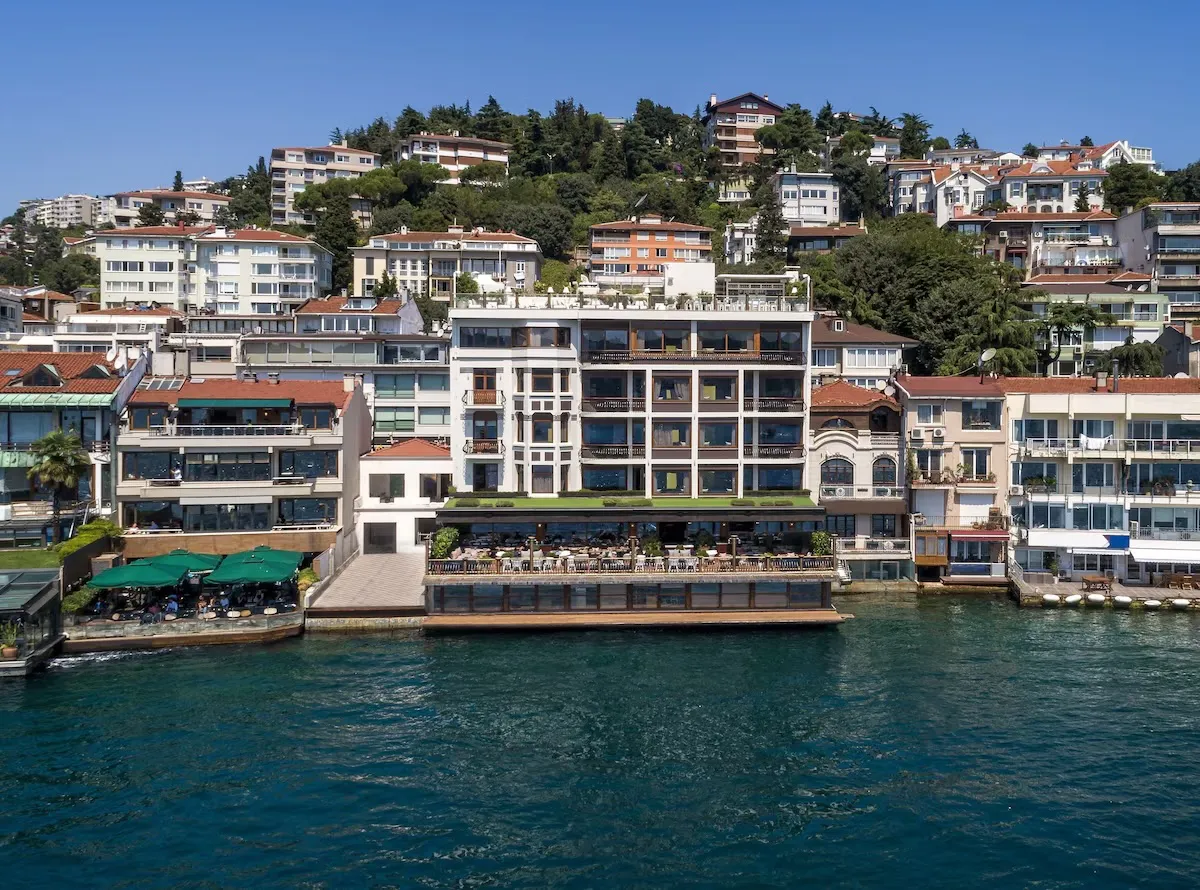
| Bebek Hotel | Bebek | July 18, 2025 |
| Arnavutköy Balıkçısı (fish restaurant) | Arnavutköy | July 30, 2025 |
| Mandarin Oriental Bosphorus | Ortaköy | August 1, 2025 |
Scope of Violations
- Roof demolitions and illegal terrace additions
- Seashore filling and removal of public stairways
- Lightweight garden structures built without permits
Mandarin Oriental’s Response
Mandarin Oriental Bosphorus has issued a statement claiming its garden pergolas and retractable shades are non-permanent and legal under zoning laws. The hotel asserts these fabric and wooden structures are “not subject to permits” and intended to protect guests from rain, wind and sun.
The legal process is said to be ongoing, with the hotel seeking to clarify that its installations conform to Istanbul regulations. The statement highlights the facility’s 2021 opening and emphasizes its intent to provide guest comfort, not to breach heritage law.
Impact on Tourism and Preservation
The demolition decision impacts not only luxury accommodation but the broader Bosphorus tourism ecosystem, which relies on historic charm alongside modern amenities. Travelers may face temporary disruptions as several high-end properties undergo legal and structural changes.
Urban conservationists largely support preserving original waterfront aesthetics, but hoteliers warn that abrupt demolitions could affect Istanbul’s competitive positioning in global tourism. The case may serve as a precedent for future enforcement along UNESCO-recognized waterways.
Local authorities and property owners are expected to negotiate outcomes in the coming months, balancing heritage protection with business continuity. Hotels impacted must comply or appeal, potentially altering Bosphorus hospitality standards in the long term.
For travelers planning stays in Bebek, Ortaköy or Kuruçeşme, monitoring the demolition schedule and legal updates will be essential. Tourists should also prepare for modifications to amenities, possible closures, and the evolving urban landscape.