Local nightlife economies operate on timing, proximity, and fast decision-making rather than long planning cycles. After standard business hours, cities shift into a different mode where demand concentrates into shorter windows and spending becomes more situational.
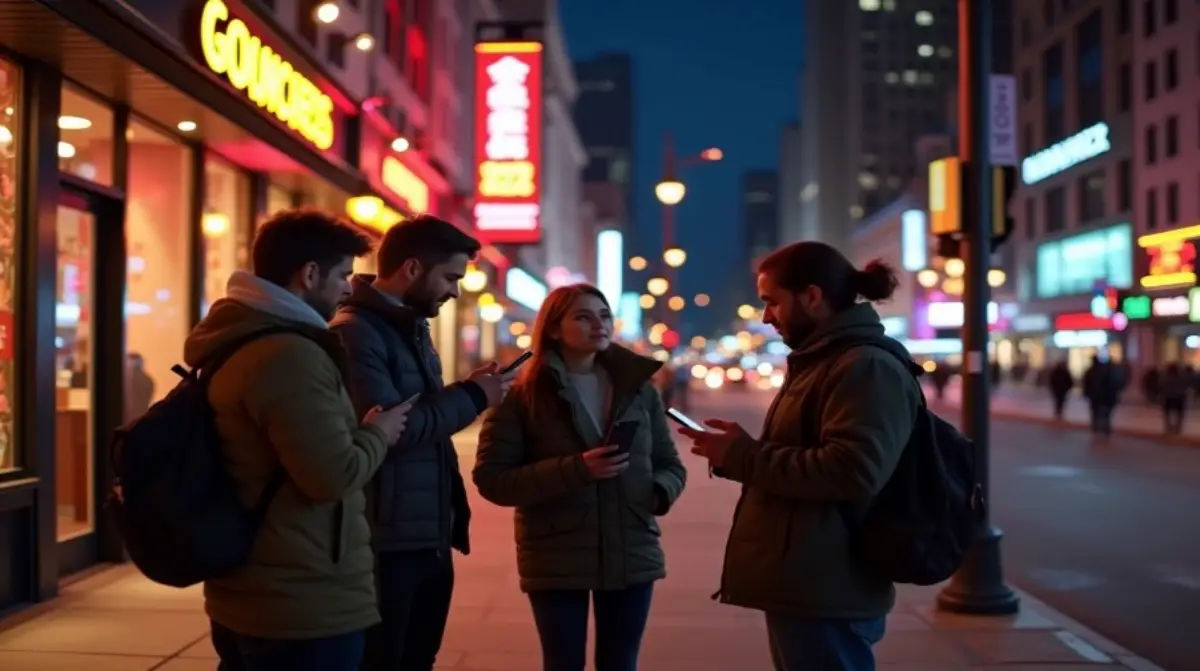
People meet after work, move between venues, and adjust plans in real time based on availability and location. In this environment, coordination matters more than branding. Groups decide where to go next, how long to stay, and what fits the moment with minimal friction. Practical tools and familiar patterns guide these choices, including late-hour listings and city-specific searches such as eros nashville, which reflect how nightlife interactions are organized around immediacy, discretion, and local context rather than advance scheduling. The result is an economy that moves quickly, adapts constantly, and relies on predictable urban rhythms to function smoothly.
How Nighttime Demand Is Structured in Cities
Nighttime demand does not spread evenly across a city. It concentrates around specific hours, districts, and triggers that repeat week after week. Understanding these structures explains why some venues thrive while others struggle.
Spending Cycles After Dark
Nightlife spending follows recognizable cycles tied to the calendar and the clock. Weekends consistently outperform weekdays, while special events and seasonal tourism create short-lived surges. Within a single night, activity often peaks in waves as people transition from early gatherings to later destinations. These cycles shape staffing, pricing, and inventory decisions.
Typical high-activity windows include:
- early evening social meetups after work
- late evening peak hours at bars and clubs
- post-midnight transitions between venues
Because these windows are predictable, businesses align operations to capture demand without overextending. Flexibility remains essential, but the core rhythm rarely changes.
Consumer Intent and Late-Hour Decision Making
At night, intent is immediate. Consumers prioritize what is close, open, and accessible over what is ideal. Decisions are made quickly, often on mobile devices, and influenced by real-time conditions such as wait times, transportation options, and group preferences. This favors services and venues that can present clear availability and reduce uncertainty.
Late-hour decision-making also reduces tolerance for complexity. Long queues, unclear pricing, or slow responses discourage engagement. Successful nightlife operators design interactions that move customers forward with minimal steps, reinforcing trust through speed and clarity.
Key Participants in the Local Nightlife Economy
Nightlife economies are ecosystems composed of visible venues and less visible contributors. Each plays a role in sustaining activity after dark.
Venues, Services, and Independent Operators
The most visible participants include bars, clubs, music venues, and late-night restaurants. Alongside them operate independent providers offering specialized experiences or services that align with nighttime demand. These operators often work within narrow windows and rely on repeat patterns rather than broad advertising.
Their success depends on:
- location within active districts
- consistent hours aligned with demand peaks
- the ability to scale up or down quickly
Visibility matters less than reliability. Customers return to places that deliver predictable outcomes night after night.
Supporting Infrastructure and Indirect Roles
Behind the scenes, supporting infrastructure keeps nightlife running. Transportation services, security staff, cleaners, and digital coordination tools all enable smooth transitions between venues. Payment systems, booking interfaces, and communication channels reduce friction and allow businesses to focus on service delivery.
Key participant categories include:
- primary venues and hosts
- independent service providers
- transportation and logistics
- digital coordination platforms
Without these indirect roles, nightlife economies would lose efficiency and resilience.
Economic Signals Shaping Nightlife Activity
Nightlife activity responds to a set of economic signals that influence where and how spending occurs. These signals are practical rather than abstract.
Location, Accessibility, and Timing
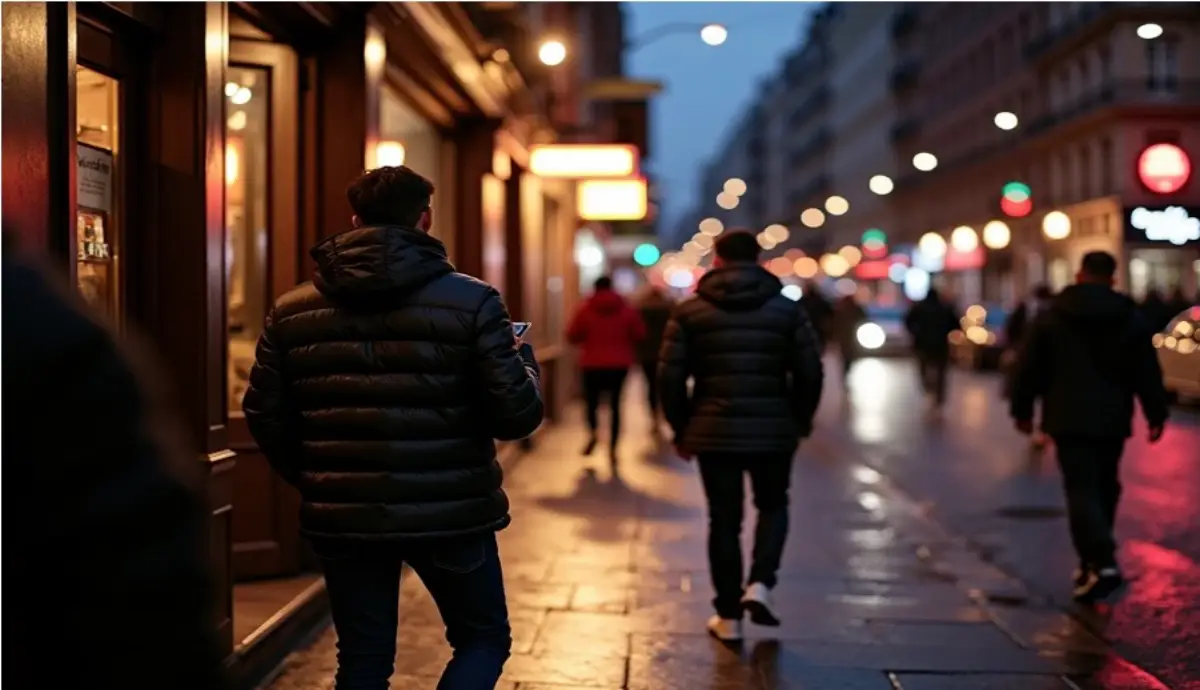
Districts with dense venue clusters attract sustained activity because they reduce travel time and increase choice. Accessibility through public transit or ride services extends the viable operating window. Timing amplifies these effects. A venue that opens too early or closes too late may miss demand even in a prime location.
Operators monitor foot traffic, nearby openings, and local events to adjust offerings. This constant calibration keeps supply aligned with shifting demand.
Regulation, Costs, and Operational Limits
Local regulations shape nightlife through licensing hours, noise limits, and compliance costs. These constraints influence pricing and availability but also create barriers that protect established operators. Rising costs for staffing and rent push businesses to optimize schedules and focus on high-margin periods.
Rather than expanding endlessly, many nightlife businesses concentrate on doing fewer things well during peak times. This focus supports sustainability in competitive urban markets.
Conclusion: Why Local Nightlife Economies Remain Resilient
Local nightlife economies persist because they mirror how cities function after dark. They rely on predictable rhythms, fast decisions, and coordinated infrastructure rather than long-term commitments. By aligning services with real behavior—where people go, when they move, and how they decide—nightlife operators remain adaptable.
Key factors behind this resilience include:
- concentration of demand into repeatable time windows
- reliance on proximity and accessibility
- streamlined interactions that reduce uncertainty
Nightlife economies thrive not by expanding endlessly, but by fitting precisely into the urban flow. Their strength lies in responsiveness and familiarity, allowing cities to sustain vibrant after-hours activity even as conditions change.