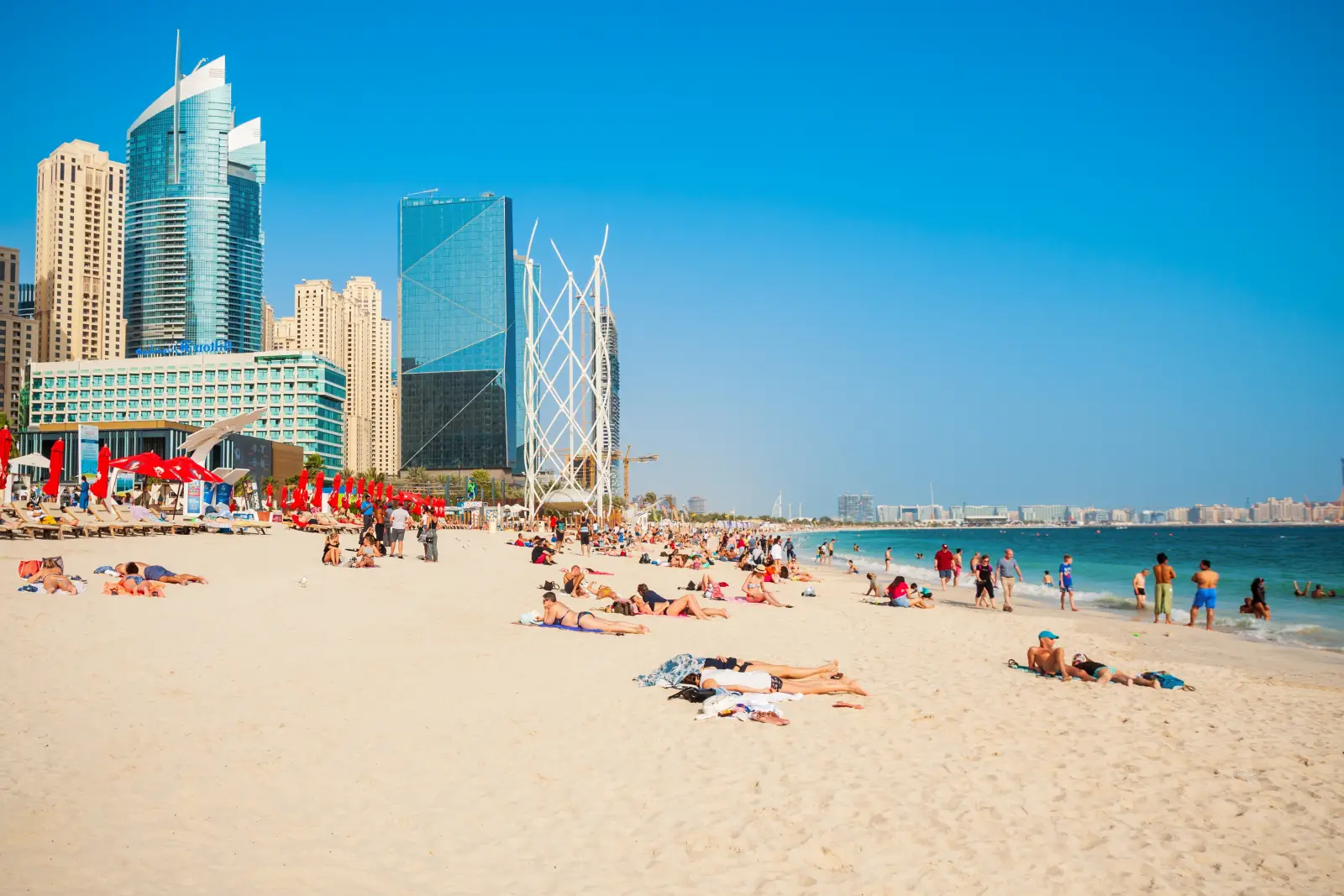
Living as a global citizen is a dream many of us chase. Something is intoxicating about the idea of waking up in a new city every few months, finding the best local coffee shop, and learning the rhythm of a different culture. But anyone who’s actually packed their life into a suitcase knows the reality involves a lot more than just beautiful sunsets and passport stamps. It involves logistics. It involves planning.
Most importantly, it involves managing your resources across borders without losing your mind or your savings.
It is a lot harder than the Instagram photos make it look.
Have you ever wondered why we make the choices we do when we travel? When you’re constantly on the move, the way you handle your daily life has to change. You’re no longer tied to a single neighborhood or a single way of doing things. This freedom is incredible. But it also means you have to be your own operations manager. From finding reliable housing in a foreign language to ensuring you have a way to cover your expenses, the learning curve is steep.
Setting Up Your Digital Basecamp
The first thing every modern traveler needs is a solid digital foundation. We often talk about packing the right clothes or the right tech. But we rarely talk about the digital infrastructure that keeps life in motion. This means having a central hub for your documents, a reliable way to communicate with home, and a streamlined system for your finances.
One of the biggest headaches for long-term travelers is the constant need to move funds
between accounts or to friends and family. Whether you’re splitting a rental deposit with a new roommate in Lisbon or helping out a family member back home, you need to know the most efficient ways to transfer money. It’s not just about the transaction itself. It’s about the security and peace of mind that come with knowing your hard-earned resources are where they need to be, when they need to be there.
And that is where the real freedom begins.
Having a go-to method for these transfers saves more than just money. It saves time. When you’re trying to catch a train in Tokyo or navigate a market in Marrakech, the last thing you want to do is sit on a customer service call because a transfer got flagged or delayed. I guess we all learn that the hard way eventually.
The Art of Slow Travel
There’s a big difference between being a tourist and being a nomad. Tourists rush. They try to see everything in a week and usually end up exhausted. Nomads, on the other hand, embrace slow travel. They stay in one place long enough to see the seasons change. They make friends with the baker down the street. They start to understand the local politics and the subtle social cues that make a place unique.
Slow travel requires a different mindset. You have to be okay with not seeing every single monument. You have to be okay with spending a rainy Tuesday inside, just working or reading.
But is that really such a bad thing? This slower pace allows you actually to integrate. It also makes the logistical side of things much easier. When you stay in one place for three months instead of three days, you can set up better local routines. You might even find that you don’t need to move money around as often because you’ve figured out the local cash flow.
And that’s the point. It’s about quality, not quantity.
Navigating Local Etiquette and Customs
Every culture has its own unspoken rules. In some places, talking about money is completely taboo. In others, it’s a standard part of small talk. Understanding these nuances is part of the joy of travel, but it’s also a survival skill.
For instance, in many parts of Southeast Asia, cash is still king. You may need to withdraw large amounts or find ways to get funds into a local digital wallet. In Northern Europe, you might go weeks without ever seeing a physical coin. You know, it’s a weird feeling to realize your physical wallet is becoming obsolete in one country while it’s your lifeline in another.
So, how do we prepare for the unknown? Being adaptable means being prepared for both extremes. It means researching the local landscape before you arrive so you aren’t caught off guard at a restaurant that doesn’t take cards.
Managing the Emotional Toll of Constant Change
We don’t talk enough about the emotional weight of this lifestyle. It’s exhilarating, yes, but it’s also lonely. You’re constantly saying goodbye. You’re constantly the “new person” who doesn’t quite know how the bus system works. Over time, this can lead to a sense of rootlessness. I’ve felt that hollow feeling in my chest more times than I’d like to admit while sitting in a beautiful city where I didn’t know a soul.
To combat this, it’s vital to create “portable roots.” These are the habits and rituals you take with you, no matter where you go. Maybe it’s a specific morning workout, a weekly video call with your parents, or a commitment to journaling every night. These small consistencies act as an anchor. They remind you of who you are when the world around you is constantly shifting.
Financial stability plays a huge role in emotional well-being. Financial stress is amplified when you’re in a foreign country. Knowing that your “digital basecamp” is secure allows you to focus on the experience rather than the anxiety of “what if.” Maybe that’s the real luxury of modern travel.
The Importance of Community
Even the most independent nomad needs a community. Thankfully, the world is smaller than it used to be. There are countless forums, co-working spaces, and meetups designed specifically for people living this lifestyle. These communities are goldmines of information. They’ll tell you which neighborhoods are safe, which cafes have the fastest Wi-Fi, and which banks are the easiest to deal with as a foreigner.
Sharing experiences with others who understand the unique challenges of a mobile life is incredibly validating. You realize that the struggle you had trying to pay a local utility bill isn’t just you. It’s a common hurdle, and someone else has likely already found the solution.
Building a Sustainable Future
Living as a nomad shouldn’t mean neglecting your future. It can be easy to live entirely in the present when you’re surrounded by novelty. But the most successful travelers are those who keep an eye on the long term. This means continuing to save, maintaining your insurance, and keeping your professional skills sharp.
I’ve seen too many people burn out because they forgot to look ahead.
The goal is to create a life that is not just exciting, but sustainable. You want to keep doing this as long as it brings you joy, without waking up one day to realize you have no safety net.
Balance is key.
Enjoy the street food in Bangkok, but make sure your retirement account continues to grow. Explore the ruins in Peru, but make sure your taxes are filed.
Closing Thoughts on the Journey
At the end of the day, traveling the world is about growth. It’s about stretching your comfort zone until it covers the entire globe. It’s about realizing that people everywhere are mostly the same, even if the way they drink their coffee or navigate their streets is different.
By taking care of the boring stuff—the logistics, the transfers, the planning—you give yourself the freedom to experience the extraordinary stuff. You clear the path so you can actually see the view.