International travelers planning to visit the United States for business or leisure could soon face an unprecedented requirement: posting a refundable visa bond of up to $15,000.
The State Department has announced the launch of a 12-month visa bond pilot program aimed at curbing visitor overstays, a move that could reshape travel decisions for thousands of foreign nationals.
The pilot program will target applicants from countries identified as having high visa overstay rates, deficient screening and vetting systems, or offering citizenship by investment without a residency requirement. While the measure is designed to ensure that travelers depart on time, it raises questions about its impact on global tourism and the accessibility of short-term U.S. visits.
How the Visa Bond Pilot Program Works
According to the public notice published in the Federal Register, the Visa Bond Pilot Program will focus exclusively on B-1 and B-2 visa applicants—those visiting the U.S. for business or tourism. Under the program, consular officers may require applicants from certain countries to post a bond of $5,000, $10,000, or $15,000 before a visa is issued. The bond will be refunded if the traveler complies with all visa conditions and departs the country within the authorized timeframe.
The bonds are intended as a financial deterrent for overstays, with consular officers assessing individual circumstances to determine the bond amount. Travelers who fail to adhere to the visa terms—by overstaying, accepting unauthorized employment, or breaching any condition of admission—risk forfeiting the bond.
To manage payments, the Department of State will utilize the U.S. Treasury’s Pay.Gov platform, requiring applicants to complete Form I‑352, Immigration Bond, as part of the process. Once a bond is posted, the visa will be issued for single entry within three months, with the traveler generally allowed a 30‑day stay upon arrival.
Countries and Travelers Affected
The pilot program will not affect nationals from countries participating in the Visa Waiver Program, which includes most of Europe, Australia, Taiwan, Qatar, and Israel. Instead, the focus will be on countries with historically high B‑1/B‑2 visa overstay rates, according to the Department of Homeland Security’s FY 2023 Overstay Report. While the State Department has yet to release the full list of countries, previous data highlighted several nations in Africa, along with Haiti, Myanmar, and Yemen, as having elevated overstay levels.
Travelers with newly obtained citizenship through certain investment programs without residency requirements may also face the bond requirement. This measure is part of a broader effort to address security concerns linked to insufficient identity verification and to encourage foreign governments to improve travel document security.
Financial Impact on Travelers
The cost of the bonds could pose a significant barrier for families and groups. For a couple, the up‑front payment could reach $30,000, while a family with children might face even higher temporary expenditures. Bonds for children are expected to be lower, potentially $5,000 each, but the cumulative costs remain substantial.
Although the bonds are refundable, the public notice emphasizes that any breach will result in forfeiture. Travelers who comply with all requirements, depart on time, or never travel after receiving the visa will have their bond canceled and refunded. No interest will accrue on the bonds.
| Bond Amount | Typical Scenario |
|---|---|
| $5,000 | Applicants with limited financial means but sufficient travel funds |
| $10,000 | Default bond for most B‑1/B‑2 applicants in targeted countries |
| $15,000 | Applicants with strong U.S. ties or higher overstay risk |
Policy Background and Objectives
The visa bond pilot is not entirely new. A six‑month trial was proposed in 2020 but never launched due to the COVID‑19 pandemic and the sharp decline in international travel. The renewed 12‑month program reflects a policy priority of using financial mechanisms to ensure compliance with U.S. immigration law.
The State Department’s temporary final rule explains that visa bonds serve as a diplomatic and security tool. By imposing a financial obligation, the program aims to discourage overstays and encourage foreign governments to improve their internal screening, documentation, and monitoring processes.
Data from DHS underscores the scale of the issue. The FY 2023 Overstay Report indicated that hundreds of thousands of nonimmigrant visitors did not depart the U.S. on time, with over 500,000 suspected in‑country overstays across all nonimmigrant categories. Among B‑1/B‑2 visa holders alone, the number fluctuated year to year, peaking at over 500,000 in FY 2022 before dropping to roughly 314,000 in FY 2023.
Bond Posting and Refund Procedures
The process for posting and refunding bonds is highly structured to ensure compliance:
- Visa applicants are notified during their consular interview if a bond is required.
- The applicant posts the bond via Pay.Gov within 30 days using Form I‑352.
- Once posted, the consular section finalizes visa issuance for single entry within three months.
- Travelers must enter and exit the U.S. through designated airports to validate their timely departure.
- Upon verified departure, the bond is canceled, and the funds are refunded.
In cases where a traveler fails to leave on time or violates the terms of their visa, the bond is considered breached and forfeited. DHS retains final authority for bond breach determinations, and appeals follow established immigration bond procedures.
Industry and Travel Reactions
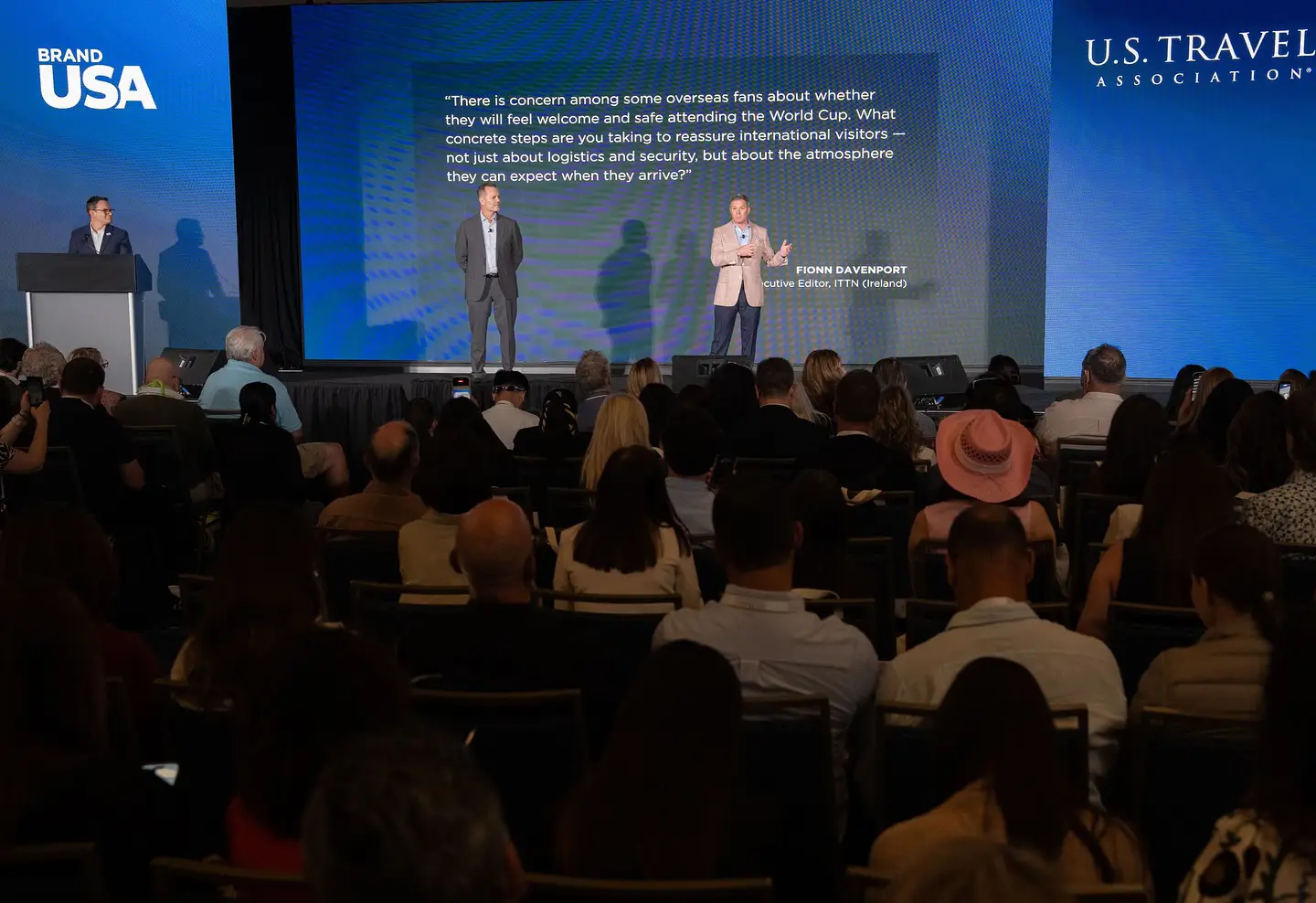
Reactions within the travel industry have been cautious. Erik Hansen, senior vice president of government relations for the U.S. Travel Association, noted that the pilot program’s scope appears limited but warned that associated visa fees and bond requirements could impact the nation’s competitiveness as a global destination.
“If this fee is implemented, the U.S. will have one of, if not the highest, visitor visa fees in the world,” Hansen said. “If we are to maintain a competitive position in the global travel market, it’s critical that U.S. visa policy reflects both national security priorities and the significant economic value of international visitation.”
Global Travel Implications
The introduction of the visa bond program underscores the delicate balance between border security and tourism promotion. For travelers from countries targeted by the pilot, the new requirement may add complexity and cost to trip planning. Even though the bonds are refundable, the high up‑front payment could deter leisure travelers and limit family visits.
At the same time, the United States hopes the policy will serve as a diplomatic nudge to foreign governments. By signaling that overstays carry financial consequences, U.S. officials aim to encourage partner countries to strengthen their identity verification systems, monitor exit records, and reduce nonimmigrant visa overstays.
As the 12‑month pilot progresses, data on compliance, administrative burden, and bond breaches will shape any future decisions about expanding or modifying the program. For now, international travelers from high‑risk countries will need to weigh the temporary cost of entry against the opportunity to visit the United States under these new conditions.