Holiday shopping often promises the thrill of finding the perfect gift at the perfect price, a ritual that brings anticipation to households across the country. Yet as online deals multiply, U.S. officials are urging shoppers to look more closely before clicking “buy.” The reminder comes as counterfeit goods increasingly enter the marketplace.
The U.S. Customs and Border Protection has issued a seasonal advisory highlighting the risks associated with fake products sold online. According to the agency, counterfeit goods continue to surge during peak shopping periods, prompting warnings about safety, legality and consumer protections.
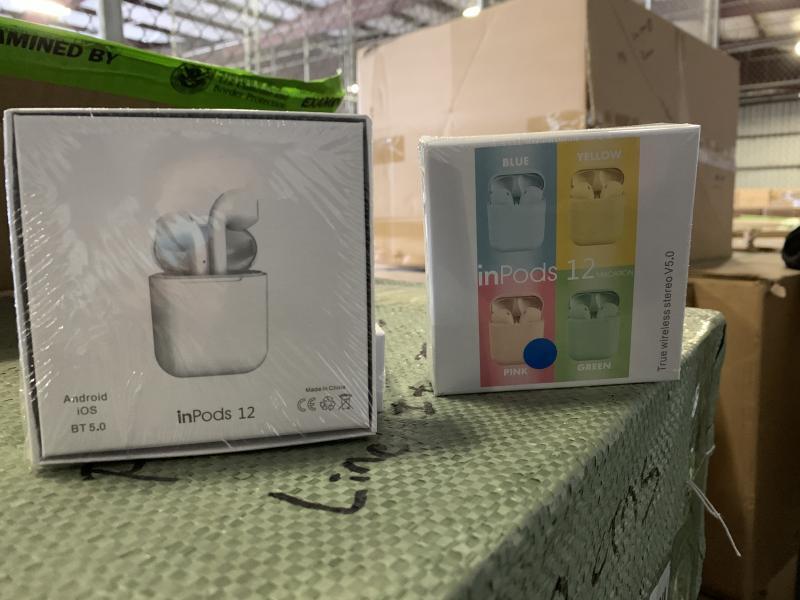
CBP notes that counterfeit products span a wide range of categories, from children’s toys and fashion accessories to electronics and even medications. These items may appear convincing to the average shopper but can contain harmful materials or faulty components. Acting Executive Assistant Commissioner Diane J. Sabatino said, “CBP is on the front line of stopping illicit goods from entering the country,” underscoring the agency’s role in blocking unsafe products before they reach consumers.
For families preparing for holiday gatherings, the stakes are higher than simply receiving an item that fails to match its photo. Fake cosmetics can contain toxic ingredients, children’s toys may bypass safety testing and electronics can pose fire hazards. These issues reflect a larger challenge in global trade, where counterfeit goods remain one of the most profitable transnational crimes. CBP reports that many illicit items are marketed in response to online trends, creating the illusion of limited-time deals.
In fiscal year 2025, CBP seized nearly 79 million counterfeit items with an estimated Manufacturer’s Suggested Retail Price value of more than $7.3 billion, had they been authentic. Clothing, consumer electronics, toys and medications were among the most frequently seized categories. These figures underscore the scale of the issue and the degree to which counterfeit goods infiltrate the digital marketplace.
The agency warns that consumers may also face financial consequences if they unknowingly import fake goods. “It is against the law to import counterfeit or pirated merchandise, and individual consumers may be liable for penalties or fines even if ordered by mistake,” said Susan S. Thomas, Acting Executive Assistant Commissioner of CBP’s Office of Trade. The statement reflects a push to educate the public not only on safety risks but on the legal responsibilities tied to online shopping.
Travelers returning from overseas markets are also encouraged to be vigilant, as counterfeit goods often appear where shopping districts attract visitors with bargain prices. Items that look like luxury souvenirs may instead be low-quality imitations, and CBP reminds travelers that bringing such items back into the country can result in confiscation or penalties. The advisory highlights the importance of purchasing from reputable stores or trusted local artisans when traveling.
CBP recommends several simple precautions for consumers. Shoppers are urged to trust their instincts when deals seem unusually low, research products and sellers and avoid unfamiliar websites without clear refund policies or contact information. The agency also stresses the importance of secure payment methods and updated cybersecurity protections. Upon delivery, buyers should inspect packaging for missing safety seals, irregular labeling or misspellings that may indicate a counterfeit origin.
The urgency behind these reminders reflects broader consumer trends, including the rise of online marketplaces and the growing sophistication of counterfeiters. As holiday sales ramp up, officials hope shoppers will help curb demand for unsafe and illegal goods by purchasing from verified retailers and sharing awareness within their communities.
For those who suspect they have received a counterfeit item, CBP encourages reporting through its Trade Violations Reporting platform or the National Intellectual Property Rights Coordination Center. The agency says public involvement supports safer shopping environments for everyone.
As the holiday season gathers momentum, the message to consumers is clear: a tempting price should never outweigh safety and trust. CBP’s advisory aims to equip shoppers with the awareness needed to make informed choices—ensuring that holiday gifts arrive with excitement, not hidden risks.
Photo Credit: Gorodenkoff / Shutterstock.com