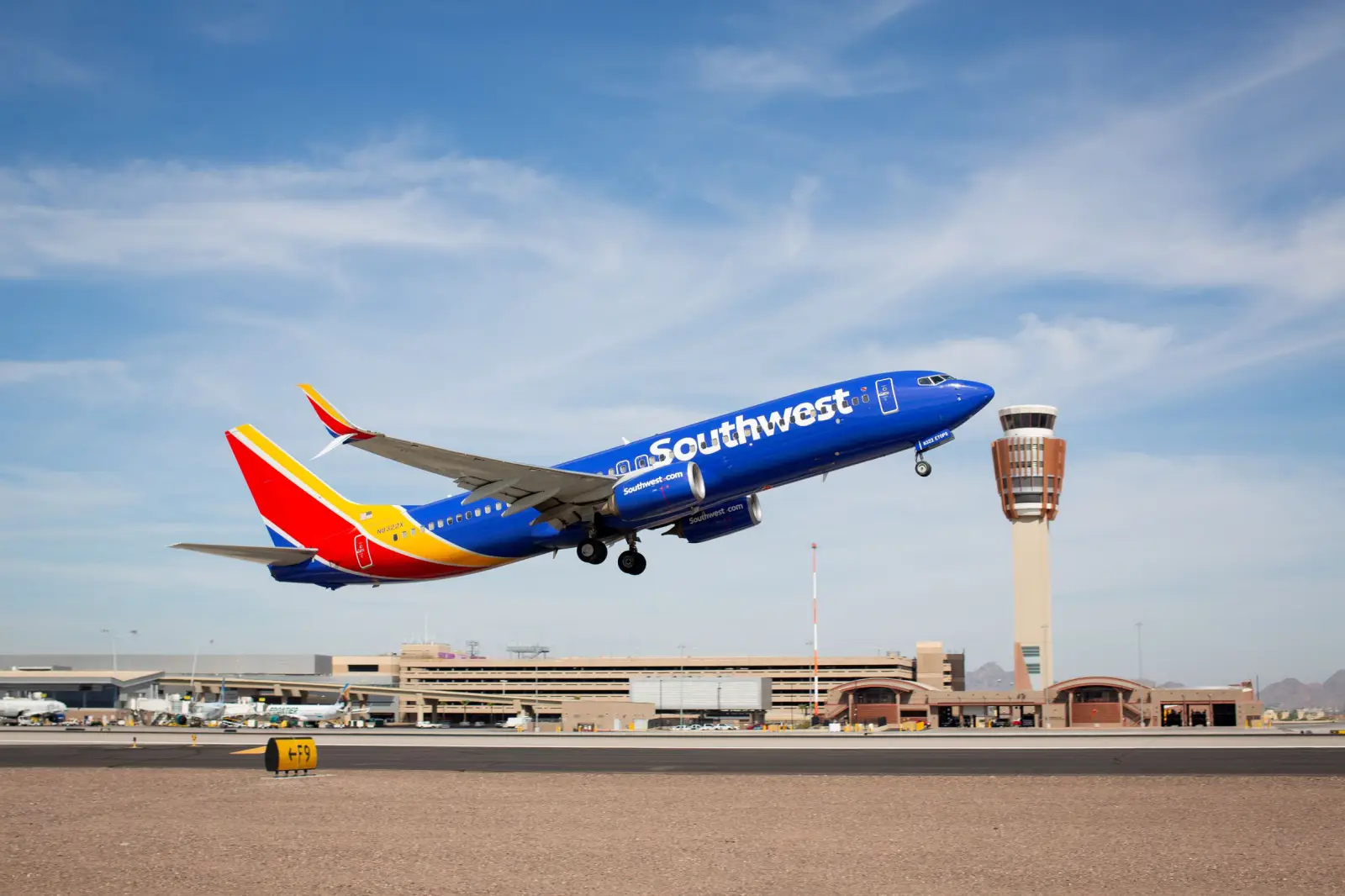
Flight arrivals are busy, and most travelers want to leave the terminal and start moving fast. Renting a car gives that freedom, especially in places where buses run less often outside major towns.
Small details before and after pickup decide whether the drive feels calm or stressful for everyone inside. A little planning often matters more than chasing the last discount code at the counter.
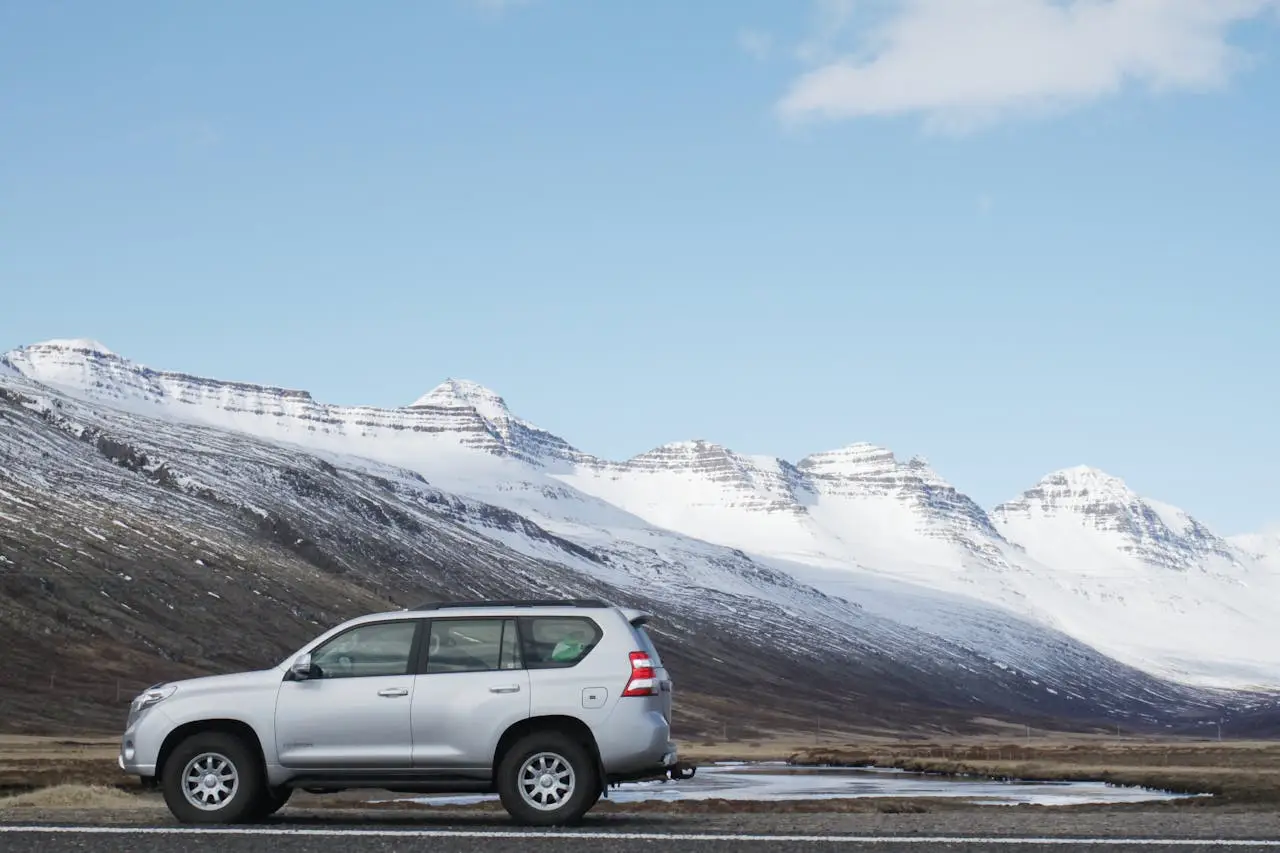
In Iceland many visitors start driving within an hour of landing, often in winter light and unfamiliar road conditions. Local rental companies with airport service, online check in, and flexible insurance make that first hour easier.
Many travelers read a guide to rent a car in Iceland before packing, because early choices affect safety and comfort. Good ground transport keeps your schedule on your terms for both work trips and family holidays during busy travel days.
Know The Rules Before You Drive
In most countries, rental staff will ask for a valid license, a credit card, and sometimes an International Driving Permit. Some places still ask for that permit, even with an English language license, and missing it can delay pickup.
The United States Department of State explains that an International Driving Permit helps local police read your license abroad. Get that paperwork early at home, because most rental counters cannot issue it on the spot overseas.
Insurance can cause stress, mainly because terms change with each country and even each road surface. Standard cover often excludes certain gravel roads, river crossings, or sand damage, and that matters in places with rough weather.
Local companies that understand regional driving conditions often bundle damage waiver, roadside support, and theft cover into one clear plan. That kind of bundle means fewer phone calls about insurance language after a long flight, and more quiet hotel time.
Late arrival can cause trouble, especially for conference travelers landing after midnight at smaller airports. Look for airport branches that allow after hours pickup and digital check in, so you can collect the vehicle alone.
Some places even use a lock box code, so you do not have to race across the terminal before closing. Confirm pickup steps for delayed flights and rough weather, because plans change fast after long haul travel.
Pick The Right Car For Your Route
The smartest car is not always the biggest car, and it is rarely the cheapest car either. A compact hatchback fits older city centres with narrow parking and tight hotel garages near historic districts.
A larger crossover feels better on long rural drives with heavy luggage, camera gear, or display materials for trade booths. Think about road surface, distance between fuel stops, and how many passengers will share driving duties during that trip.
Electric vehicles are now common in rental fleets, and they offer quiet driving with low running cost for regional touring. They work best when you map charger locations ahead, and plan how long the car can sit at each stop.
Some rental providers now give maps or apps with charger locations, plus simple charging cables for guesthouses and cabins. Ask early about charging support, because rural access can still change with region and season, especially during cold weather peaks.
Luggage volume matters more than many people expect, especially for teams attending trade shows or families carrying outdoor gear. Ask for boot space in litres, because class labels like economy or premium can change between regions and suppliers.
Check rules for child seats, because many countries require approved seats by age and height, even for short hotel transfers. Booking those seats with the vehicle often costs less than trying to buy them from an airport shop on arrival.
Keep Costs Predictable
Most surprises at return time come from fuel, tolls, and unlisted drivers, not from the daily base rate. Agree on a clear fuel policy at pickup, and photograph the dashboard odometer and fuel gauge before leaving the lot.
Ask how toll roads are handled, because some rental firms register the plate and later bill you a service fee. List every planned driver on the contract, even for short shifts, because undeclared drivers can cancel cover after a scrape.
- Keep photos of the car, fuel gauge, and odometer in a shared album, so every driver can reference them later.
- Track mileage and fuel stops in your notes app, because some business travelers need expense records for finance approval later.
- Store parking receipts and toll slips in the glove box pouch, and clear it out before returning the vehicle.
Ask about extra fees that are easy to miss, like premium location charges at airport counters or weekend collection charges. GPS rental can add steady daily cost, so downloading offline maps to your phone before departure can save money.
Winter gear, such as snow tyres or roof mounted ice scrapers, may carry seasonal pricing in colder regions. Clarify which items are already included in your class booking, so you are not surprised when the final statement arrives.
Safety fines can increase the price of a trip fast, even when the incident feels minor or harmless. Many countries run automatic cameras for seat belt and speed compliance, and the rental company often receives the notice first.
The National Highway Traffic Safety Administration says seat belts save thousands of lives each year on United States roads. Drive with that mindset from the first kilometre, not only when you notice a police car sitting behind you.
Make Your Time On The Road Easier
Take a slow walk around the car before leaving the lot, and photograph every panel in normal daylight. Capture any scrapes or windscreen marks from several angles, then save the pictures to cloud storage or email.
That record protects you if someone later claims a mark you did not cause on the car body. It also lets you keep driving without worry during rain, snow, or gravel spray on open roads.
Plan realistic daily distance for your route, because map times often ignore weather shifts and photo stops. Four hours on the screen can become six hours after long road works or slow traffic behind heavy trucks.
Business travelers also need quiet time to review slides or answer urgent messages, and long drives erase that buffer. Build space into your plan, and rotate drivers when alertness starts to fade late in the afternoon.
Return day needs care, especially if your flight leaves early and the rental branch expects the car back full. Many airport branches sit several minutes from the nearest fuel station, and traffic can stack up around morning departures.
Fill the tank close to the drop point and keep the receipt, then take dashboard pictures again for your records. Giving yourself that buffer can mean boarding calm instead of jogging through security with rental paperwork in your hand.

Final Thoughts
A rental car can turn a work trip or holiday into flexible ground time instead of waiting on shuttle timetables. Pick a car that matches real road conditions, and confirm documents, cover, and driver rules before you leave the counter.
Agree on fuel, toll, and return steps in writing, and keep pictures of the car and dashboard from start. Those habits protect your budget, lower stress during delays, and help each kilometre feel like part of the trip.