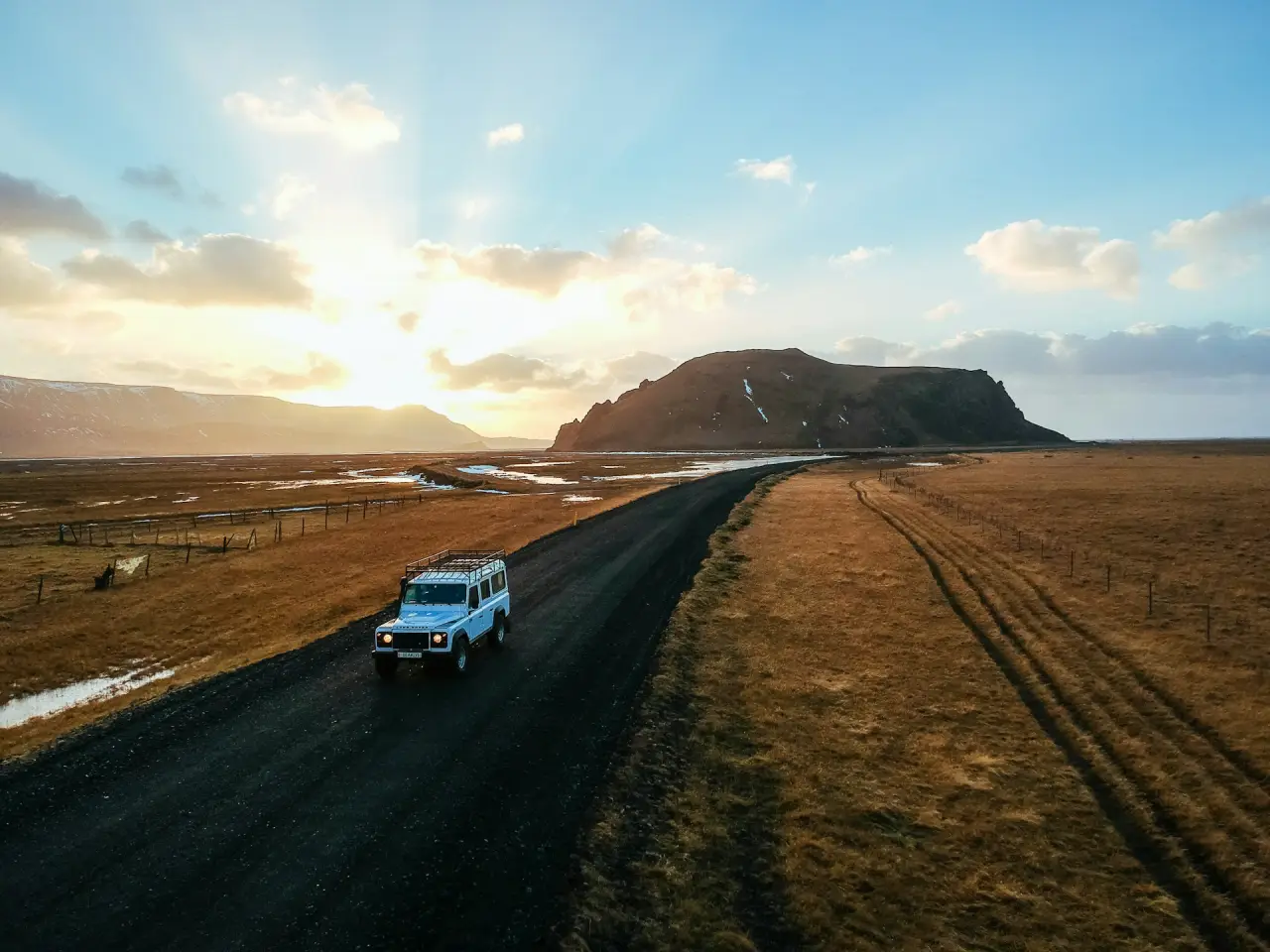
Campervan tourism has gained significant popularity worldwide as travelers seek greater flexibility and direct contact with nature. This form of travel offers the freedom to explore diverse landscapes at one’s own pace while maintaining comfort and convenience. Iceland presents a compelling destination for campervan travelers due to its dramatic natural features, remote wilderness, and well-developed road network suited to road trips.
This article examines the factors contributing to the rising interest in campervan tourism in Iceland and considers the impacts on the country’s environment, infrastructure, and local communities. Understanding these elements provides insight into how this mode of travel shapes the experience of visitors and the future of Icelandic tourism.
Factors Driving Campervan Tourism in Iceland
As Iceland’s tourism continues its upward trend, the rise of campervan-based travel stands out, blending independence with immersive access to the country’s dramatic landscapes. Leading this shift are rental providers like CampEasy, a company known for tailoring vehicle features to Iceland’s unique terrain and climate. For modern travelers, this evolution reflects a growing preference for self-guided exploration over packaged tours, redefining what it means to experience Iceland sustainably and on one’s own terms.
The rising number of campervan rental companies has made this mode of travel accessible to a broader audience. With a range of options available, travelers can find vehicles suited to different group sizes and budgets, making it easier to experience Iceland without the need for personal ownership or complicated logistics.
Compared to traditional lodging, campervans offer an economical alternative that combines transportation and accommodation into a single package. This cost-effectiveness encourages extended stays and visits to less frequented regions where hotels and guesthouses are sparse.
A strong motivation for choosing campervan travel lies in the desire to engage deeply with Iceland’s natural environment. Staying close to nature, waking up to scenic views, and having the flexibility to explore hidden spots enhances the overall experience, attracting those who seek immersive outdoor adventures.
Popular Routes and Destinations for Campervan Travelers
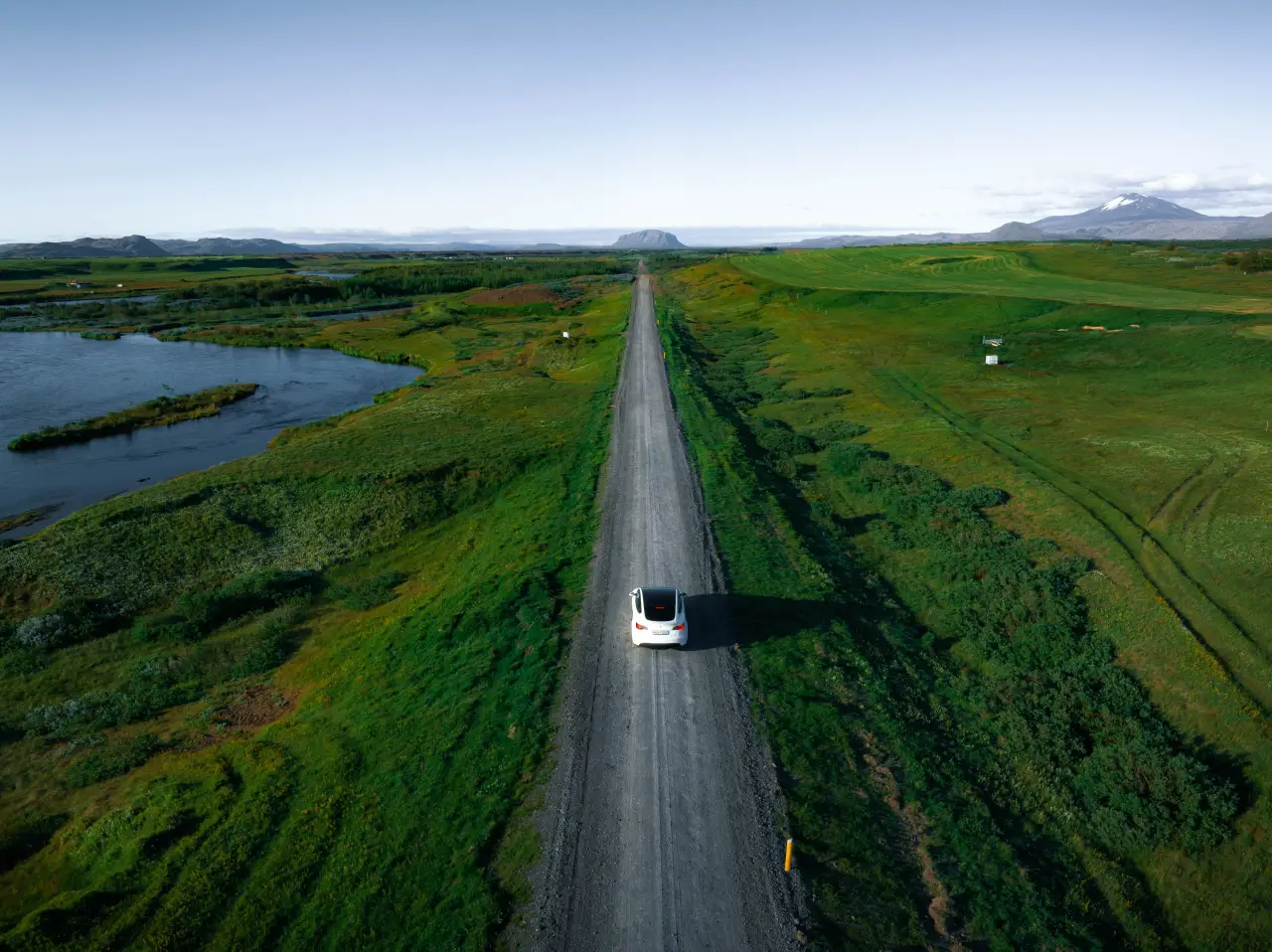
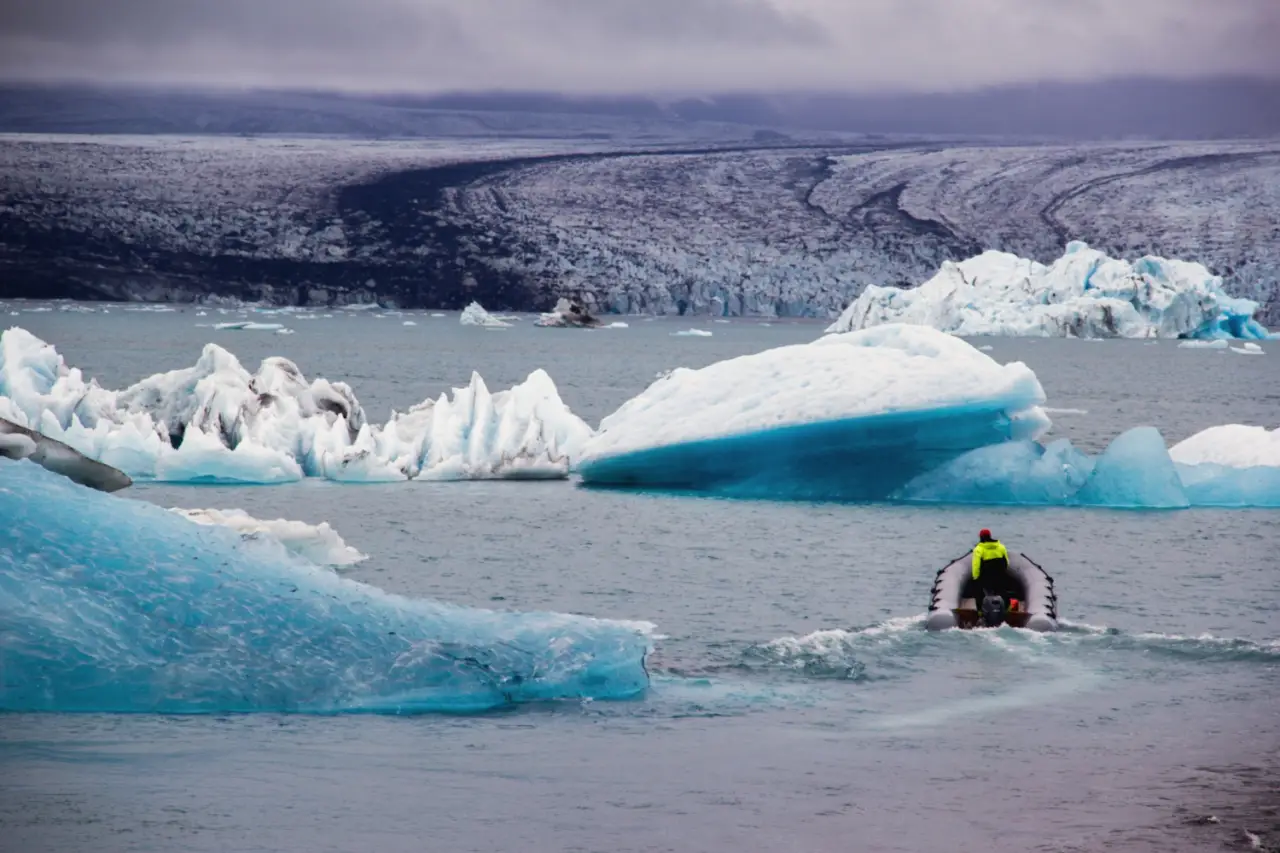
Popular routes and destinations for campervan travelers in Iceland offer a mix of iconic and lesser-known experiences. The Ring Road remains a favorite, circling the island and connecting major sights. It provides a comprehensive journey through diverse terrains, from waterfalls and glaciers to volcanic fields and coastal views.
The Golden Circle, a shorter route near Reykjavik, highlights key natural attractions such as geysers, waterfalls, and national parks, making it ideal for those seeking rich experiences within a manageable distance.
The Westfjords attract those looking for a quieter, rugged environment. This region offers dramatic fjords, remote fishing villages, and opportunities to encounter wildlife, including puffins and seals. Increasing interest in off-the-beaten-path routes draws travelers to areas like the Eastfjords and the Highlands, where solitude and raw nature reward the adventurous.
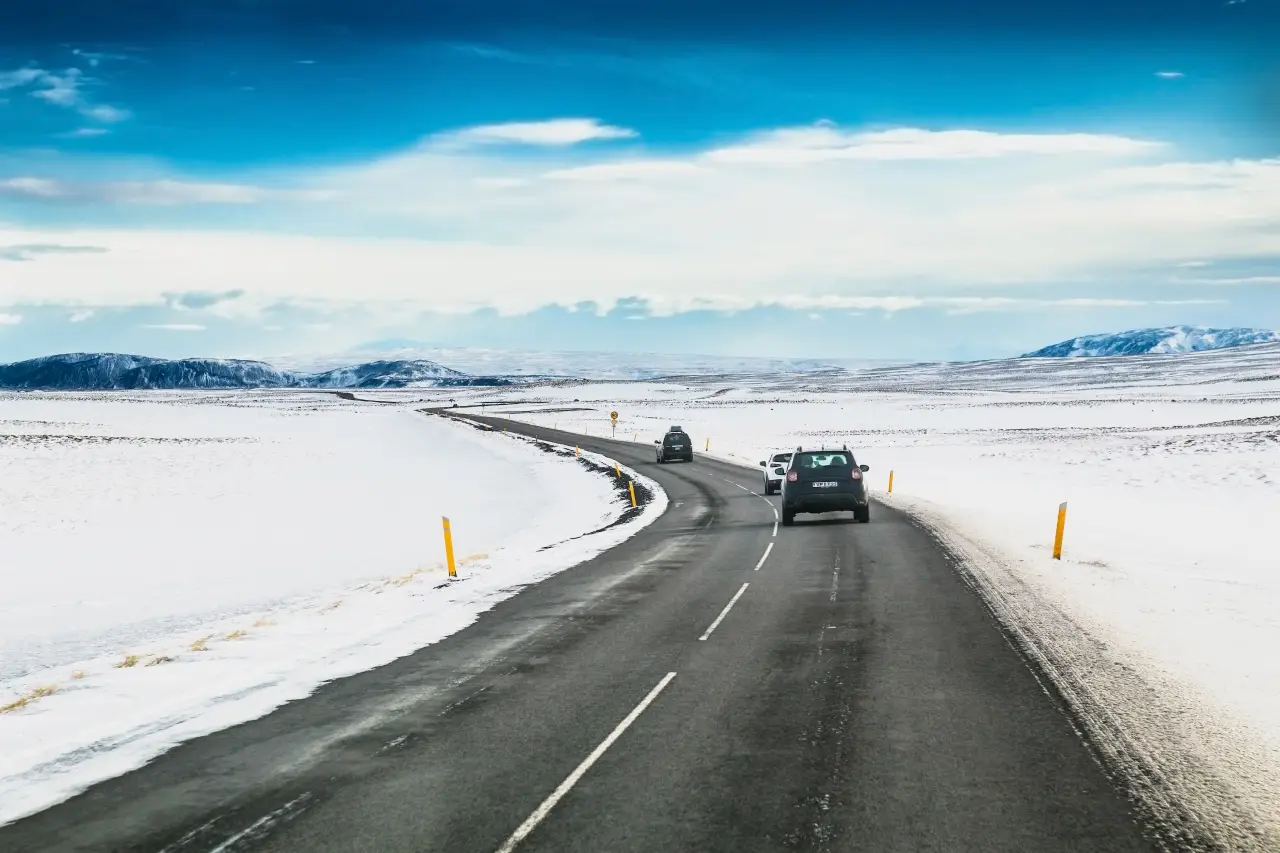
Seasonal changes influence the choice of routes. Summer opens highland roads and remote areas previously inaccessible due to snow, expanding possibilities for exploration. In contrast, winter trips focus on southern and coastal routes with milder conditions, while also offering a chance to witness the Northern Lights. Adjusting travel plans according to the season enhances the experience and safety for campervan travelers.

Infrastructure Development Supporting Campervan Tourism
The growth of campervan tourism in Iceland has stimulated significant development in infrastructure to support travelers on the road. Campsites have expanded in number and improved in quality, offering dedicated spaces designed specifically for campervans. These facilities provide essential amenities such as electrical hookups, designated parking areas, and access to restrooms, making overnight stays comfortable and convenient.
Road conditions across popular routes have seen ongoing enhancements, with smoother surfaces and clearer signage helping travelers move safely and confidently. The improvements in signage provide clearer directions and important information about road rules and conditions, which contributes to a better travel experience.
Additionally, services that cater directly to campervan needs have increased. Waste disposal points are now more accessible along key routes, helping visitors maintain environmental cleanliness. Water refill stations have become more common, supporting longer journeys without frequent stops. These infrastructure developments collectively support a practical and responsible approach to campervan travel in Iceland.
Environmental and Regulatory Considerations
The rise of campervan tourism in Iceland presents challenges to the country’s sensitive natural environments. Increased vehicle traffic and camping in delicate areas can lead to soil erosion, vegetation damage, and disturbances to wildlife habitats. These effects highlight the need for responsible use of natural spaces to protect Iceland’s unique ecosystems.
To address these concerns, Iceland has implemented a set of regulations guiding campervan travelers. These include designated camping areas, restrictions on off-road driving, and rules for waste disposal. Compliance with these guidelines helps limit environmental impact and preserves the natural surroundings for future visitors.
Sustainable tourism initiatives contribute to minimizing ecological footprints by promoting respectful behavior and awareness. Educational campaigns inform travelers about Iceland’s fragile environment and encourage practices such as reducing waste, conserving water, and respecting protected zones. This approach supports long-term preservation while maintaining access to Iceland’s wilderness experiences.
Economic and Cultural Impact
Campervan tourism has become a significant contributor to local economies, particularly in rural areas where travelers stop for supplies, food, and services. Small businesses, including guesthouses, restaurants, and shops, benefit from the steady flow of visitors who prefer to explore less crowded regions. This influx supports job creation and encourages the development of new service offerings tailored to campervan travelers.
The variety of travelers drawn to Iceland’s campervan routes brings diverse cultural interactions. Visitors from different backgrounds engage with local communities, creating opportunities for meaningful exchanges and a deeper appreciation of Icelandic traditions and lifestyle. These interactions enrich the travel experience for both visitors and residents, adding layers of cultural understanding.
The growth of campervan tourism presents both opportunities and challenges for Iceland’s tourism sector. While it expands the visitor base and encourages exploration beyond urban centers, it requires careful management to balance visitor needs with environmental preservation and infrastructure capacity. Adapting to these demands calls for ongoing attention to sustainable practices and community involvement to maintain the appeal and health of Iceland’s unique environment.