Why Driving in Chicago Can Surprise First-Time Visitors
Driving in a new city can be convenient, especially when your trip includes airport pickups, hotel transfers, restaurants, museums, and side trips outside downtown. In Chicago, visitors quickly learn that city driving has its own rhythm. Traffic can shift from slow downtown congestion to fast-moving expressways within minutes, and drivers may need to watch for pedestrians, cyclists, buses, delivery vehicles, rideshare pickups, and sudden lane changes at the same time.
For tourists, the main challenge is unfamiliarity. A local driver may know which streets back up near the Loop, how parking signs are worded, or when traffic around the lakefront becomes difficult. A visitor may be relying on GPS while trying to read street signs, find parking, avoid bus lanes, and reach attractions on time.
Whether you are renting a car for a weekend in Chicago or driving your own vehicle into the city, preparation can help you stay calmer and more aware behind the wheel.
Know the Local Driving Environment Before You Arrive
Before driving in Chicago, it helps to understand a few local traffic patterns. Downtown includes many one-way streets, narrow lanes, busy intersections, bike lanes, bus stops, and areas with heavy pedestrian traffic. Drivers who are unfamiliar with the city may enter the wrong lane, miss turns, or react late while following navigation apps.
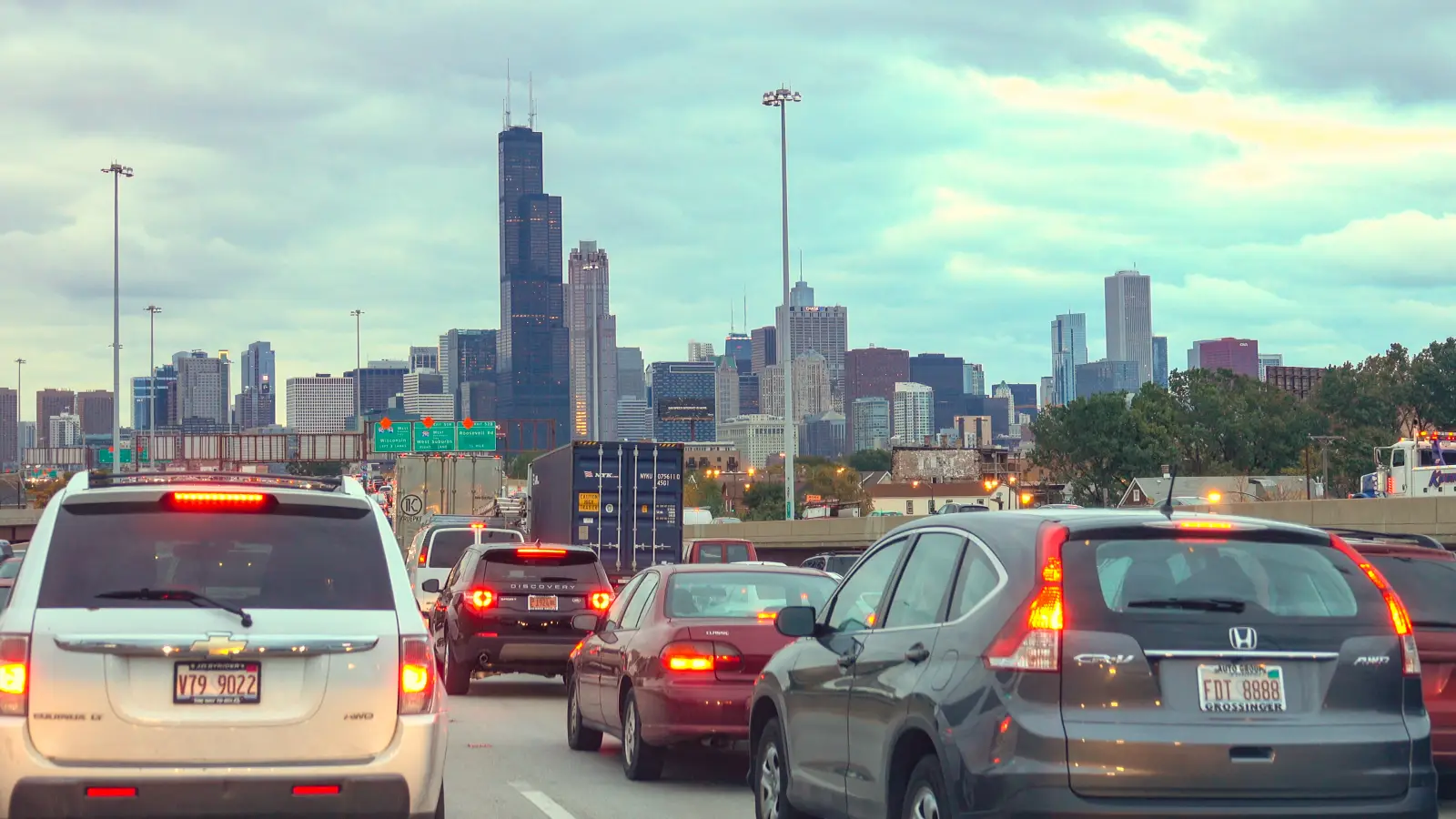
Rush hour can also be challenging. Expressways such as I-90 and I-94 often become congested, which increases the risk of rear-end collisions and sudden braking. Around hotels, museums, airports, event venues, and lakefront attractions, traffic can change quickly because of taxis, rideshares, tour buses, and visitors crossing the street.
Parking is another issue for tourists. Different neighborhoods may use permit zones, metered parking, loading restrictions, and street cleaning schedules. Missing one sign can lead to tickets, towing, or a stressful vehicle relocation during a trip.
Seasonal conditions matter too. Winter can bring snow, black ice, and reduced visibility, while summer travel often means crowded roads near festivals and waterfront areas.
Plan Your Route Before Leaving the Hotel
Many visitor-related accidents happen when drivers make quick decisions in unfamiliar surroundings. Looking at directions while moving through traffic or searching for parking at the last second can become distracting, especially in crowded parts of Chicago.
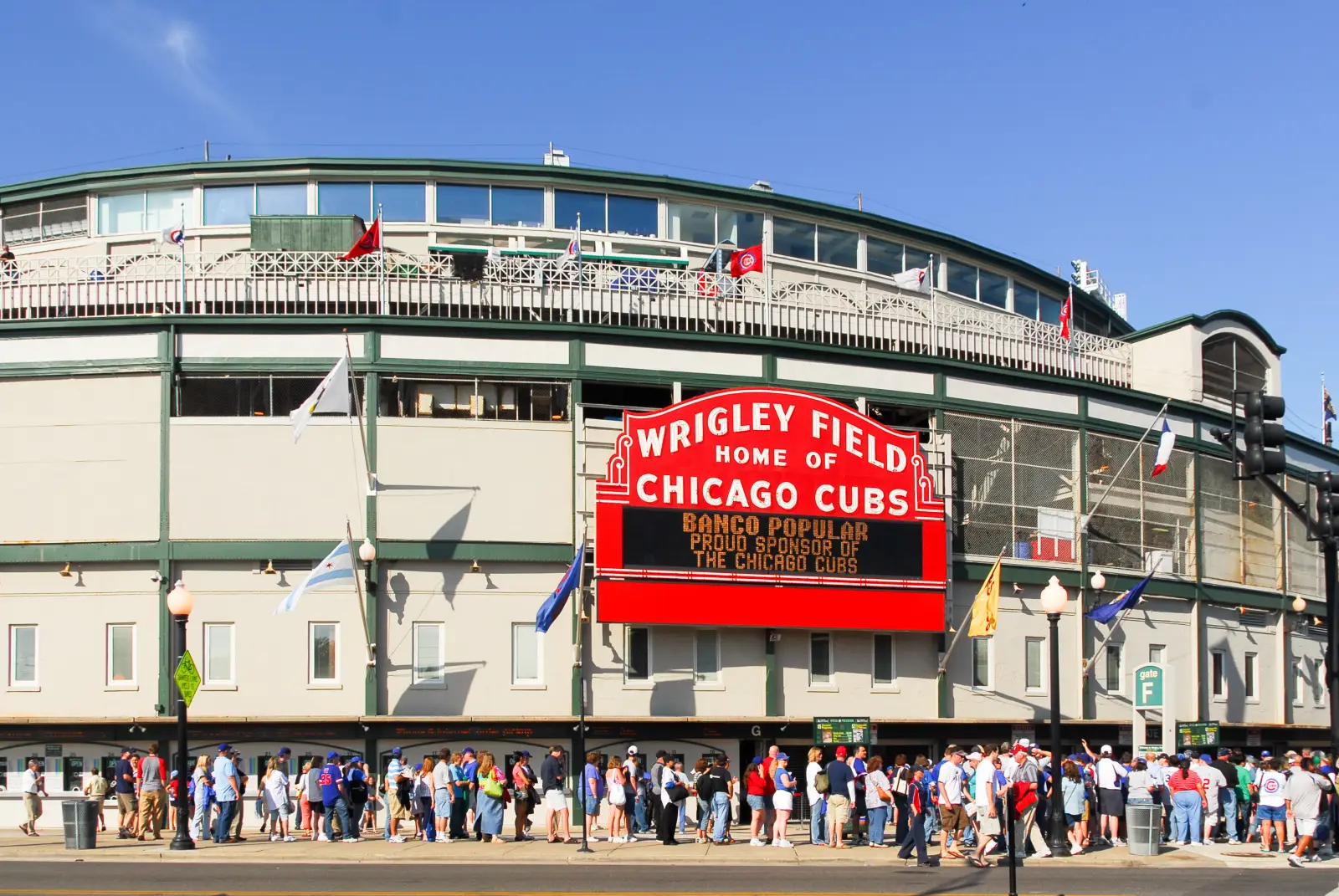
Before starting the car, enter your destination, review the route, and check for traffic delays or closures. Chicago frequently hosts sporting events, concerts, conventions, and festivals that affect nearby streets. Areas around downtown hotels, Navy Pier, Wrigley Field, and the Magnificent Mile may become especially busy during peak travel hours.
Parking should be part of the plan. Some garages have limited entrances, while certain streets restrict stopping during specific hours. Planning ahead reduces sudden lane changes and unnecessary circling through congested areas.
Compared with Los Angeles, where visitors often deal with long freeway commutes, or New York, where many tourists avoid driving, Chicago often combines highway driving with dense urban streets during the same trip. That transition can surprise first-time visitors.
Understand What Happens Legally After a Crash While Traveling
Even careful drivers can be involved in an accident while visiting a busy city. When a crash happens during a trip, tourists may not know what to do first, especially if they are driving a rental car or are unfamiliar with Illinois procedures.
If possible, drivers should move to a safe location, contact law enforcement, exchange information, and document the scene. Photos of vehicle damage, traffic signs, road conditions, license plates, and visible injuries may become important during insurance claims or legal disputes.
Medical attention is also important, even when injuries seem minor. Neck pain, back injuries, and concussion symptoms may appear hours later. Medical records can help connect injuries to the crash if questions arise later.
Accident laws and insurance procedures vary by state. A traveler who understands the rules at home may still face unfamiliar reporting requirements, liability issues, or insurance questions in Illinois. Because of that, an injured visitor may choose to speak with a Chicago car accident lawyer after a collision. Rosenfeld Injury Lawyers LLC works with accident victims in Chicago, including cases involving tourists, rental vehicles, rideshare accidents, and serious traffic injuries.
Document the Accident Before Continuing Your Trip
After an accident, many travelers want to get back to the hotel, return the rental car, or continue their schedule. Taking time to document the situation can prevent problems later.
Start by collecting clear photos of all vehicles involved, nearby signs, skid marks, traffic signals, road layout, weather conditions, and the surrounding area. Save screenshots of navigation routes if confusing directions, construction, or sudden lane changes contributed to the crash.
Exchange contact and insurance information with every driver involved. If witnesses are nearby, ask for their names and phone numbers before they leave. In busy tourist areas, witnesses may disappear quickly once traffic starts moving again.
Visitors driving rental cars should contact the rental company as soon as possible. Most companies have reporting requirements, and delays may create coverage problems.
Keep copies of medical bills, repair estimates, towing receipts, rideshare costs, hotel changes, police reports, and insurance communication. These records can help explain how the accident affected your trip after you return home.
Rental Cars Can Make Accident Claims More Complicated
Many travelers assume a rental car is fully protected once they sign the paperwork. In reality, rental car coverage can become confusing after a crash, especially when several policies overlap.
Some visitors rely on personal auto insurance, while others purchase protection from the rental company. Certain credit cards may provide limited coverage, but terms vary by card issuer, location, vehicle type, and accident details. Reviewing your rental car insurance coverage before traveling can help prevent confusion later.
One common issue is who pays for damage while the claim is being processed. Rental companies may charge drivers for repairs, towing, loss of use, or administrative costs before reimbursement is resolved.
Injury claims can take longer than property damage claims. If another driver, passenger, cyclist, or pedestrian was hurt, insurance companies may investigate fault, medical treatment, and witness statements in more detail.
Know When It Is Safer Not to Drive
Driving gives travelers flexibility, but there are times when another option may be safer. In Chicago, downtown areas are often easier to explore on foot, by public transportation, or through rideshare services. This can be especially helpful near museums, shopping districts, sports venues, and waterfront attractions.
Weather may also make driving less appealing. Snow, freezing rain, and poor visibility can create hazardous conditions for visitors who are not used to local roads. Major festivals, holiday weekends, and large events can also make parking and navigation more difficult.
Fatigue is another risk. Long flights, packed sightseeing schedules, and late-night plans can reduce focus behind the wheel. If you feel tired, distracted, or overwhelmed by traffic, leaving the car parked may make the day safer and more enjoyable.
Use a Simple City-Driving Checklist Before Each Trip
A few simple habits can make unfamiliar city driving safer. Before leaving your hotel or parking garage, confirm your destination, review the route, and set up navigation while parked. Check whether parking reservations, garage hours, or street restrictions apply near your destination.
Keep your phone charged, especially if you rely on digital maps, parking apps, or emergency contacts. Visitors driving rental cars should keep insurance details, rental agreements, and roadside assistance numbers easy to access.
Avoid driving when rushed. Leaving earlier for restaurants, tours, airports, or attractions gives you more time to respond calmly to detours, wrong turns, and traffic changes.
Travelers planning longer driving vacations can also benefit from reviewing practical road trip planning tips before moving between cities. Good preparation can make the entire travel experience smoother, especially for visitors who expect to spend significant time behind the wheel.
Travel Prepared and Drive Calmly
Driving in an unfamiliar city can feel intimidating, especially in a destination as busy as Chicago. Visitors may face crowded streets, confusing parking rules, heavy traffic, and unfamiliar road layouts while trying to enjoy their trip.
Preparation makes a real difference. Travelers who research local driving conditions, plan routes ahead of time, stay alert around tourist areas, and understand what to do after an accident are better equipped to handle unexpected situations safely.
Whether you are visiting Chicago for a weekend getaway, a business trip, or a longer road trip, careful planning can help make the experience safer from start to finish.
Photo Credit: Flystock / Shutterstock.com