The Monaco Grand Prix is expected to once again generate strong demand for high-end tourism services across Monaco and the wider French Riviera as Formula One returns to the principality from June 4 to 7, 2026.
Hotels, restaurants, yacht charter operators and private aviation companies are preparing for one of the busiest weekends of the year, with hospitality bookings and accommodation prices rising months before the race weekend begins.
The 2026 edition arrives later than Monaco’s traditional May slot, extending the Riviera’s peak tourism season deeper into early summer. Aviation operators have already warned of heavy congestion at Nice Côte d’Azur Airport, the main gateway for Grand Prix visitors, with increased demand expected for aircraft parking, helicopter transfers and executive handling services during race week.
A Regional Tourism Event
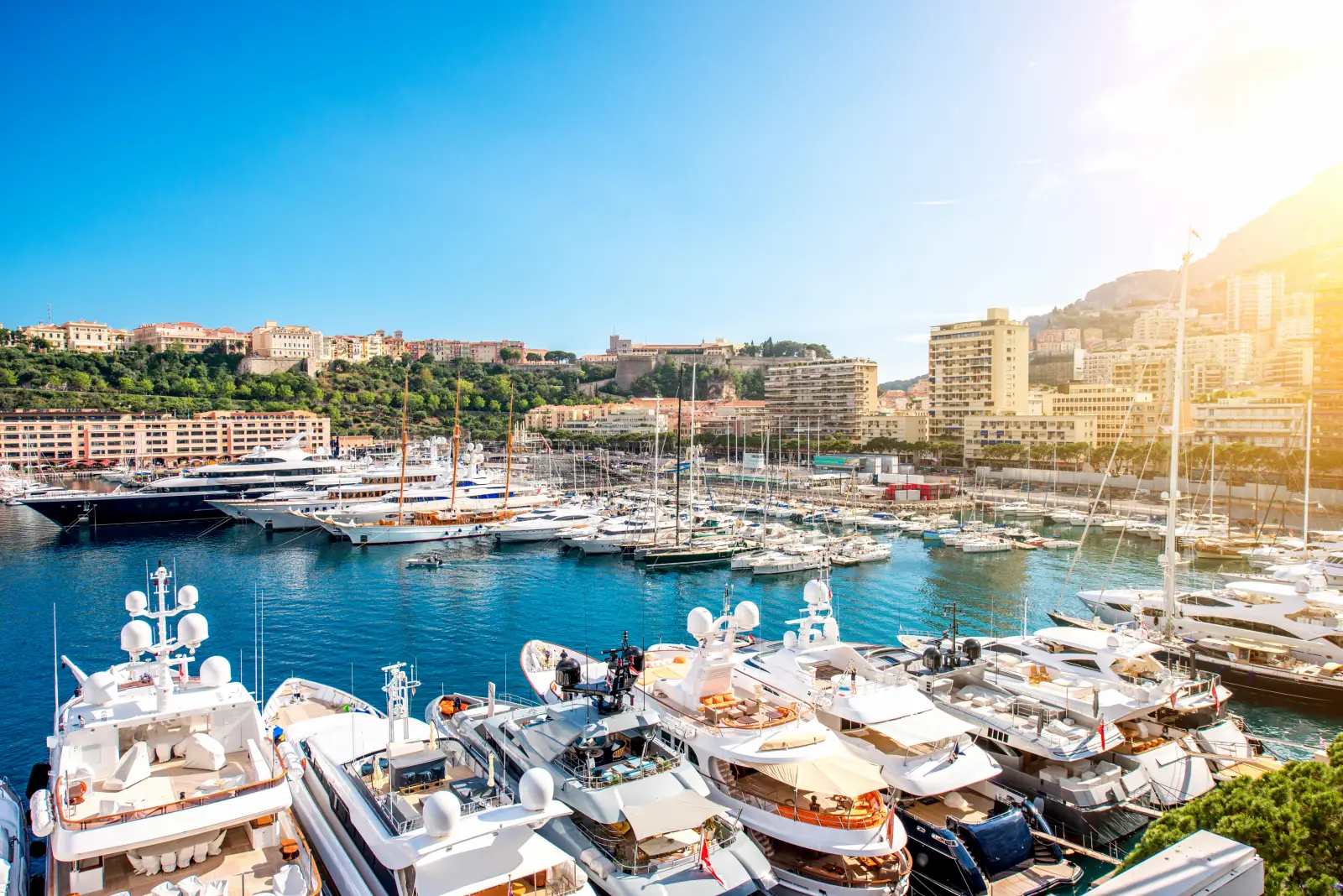
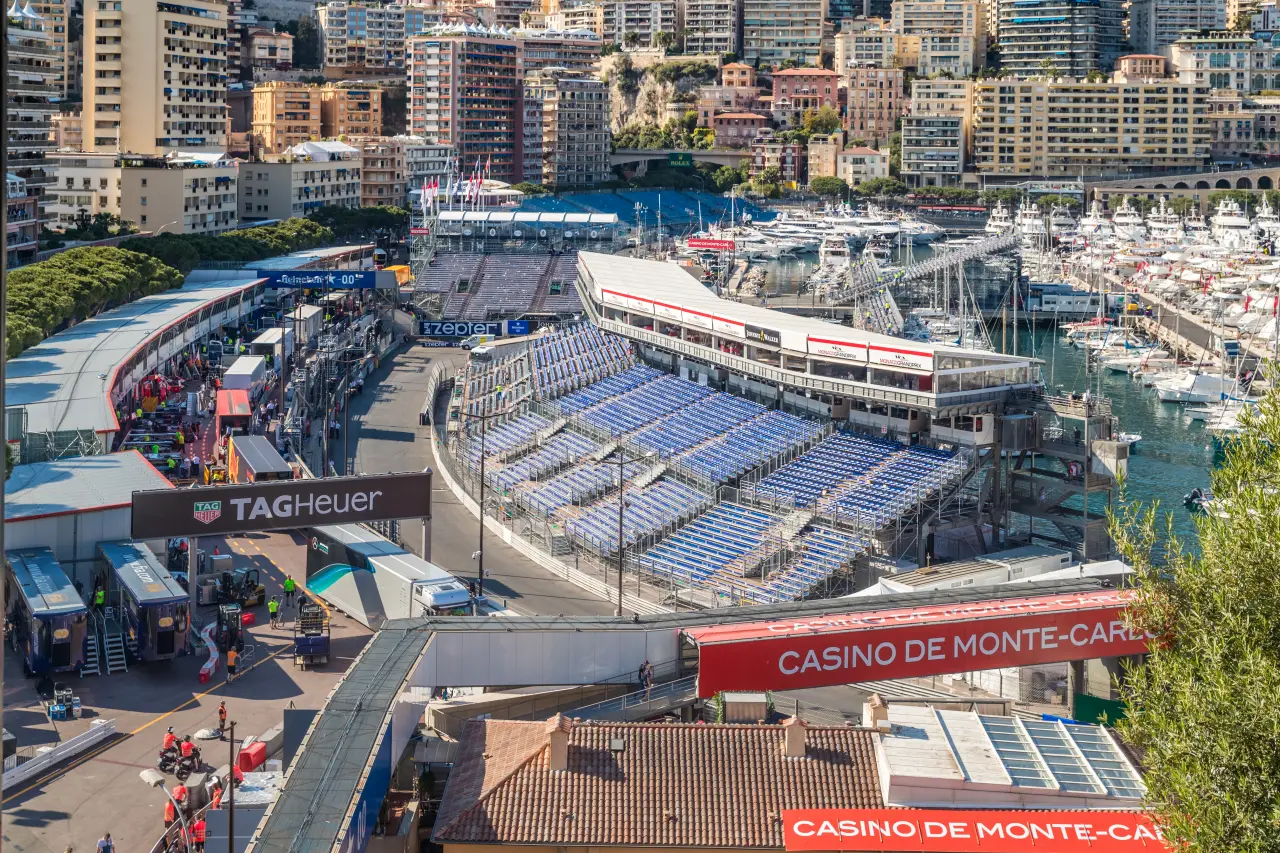
The race has become far more than a sporting event for Monaco. Each year, the narrow streets of Monte Carlo are transformed into a temporary hospitality district where hotel terraces overlook the circuit, superyachts fill Port Hercules and high-end retailers host private events for international guests arriving from the United States, the Middle East, Asia and across Europe.
Recent tourism data suggests Monaco is entering the 2026 Grand Prix season from a position of strength. Monaco’s tourism sector reported higher occupancy levels, stronger average room rates and improved revenue performance during 2025 as international demand for the destination continued to recover and expand.
Hotel performance during last year’s Grand Prix underlined the scale of the event’s economic impact. CoStar data showed Monaco hotels reached occupancy levels of up to 96.7% during the 2025 race weekend, while average daily room rates climbed above €3,500 on peak nights. Monaco’s monthly average room rate also exceeded €1,000 for the first time on record during the period.
Riviera Destinations Benefit From Spillover Demand
The limited size of Monaco means accommodation demand quickly spreads across neighboring Riviera destinations. Visitors attending the Grand Prix often stay in Nice, Cannes, Antibes and Menton, where hotels and short-term rentals also experience significant price increases during race week.
Tourism professionals say the Monaco Grand Prix now functions as a regional economic event rather than one confined solely to the principality. Increased visitor numbers support restaurants, nightlife venues, luxury boutiques and transport services throughout the Côte d’Azur.
Private Aviation Demand Rises During Race Week
Private aviation remains one of the clearest indicators of Monaco’s role in luxury sports tourism. Because Monaco does not have its own airport, most international visitors arrive through Nice before transferring to the principality by road or helicopter.
Business aviation operators have already issued operational notices for the 2026 race period because of expected traffic levels at Nice Airport and nearby regional airports. Helicopter transfers between Nice and Monaco, which take around seven minutes, become one of the fastest transport options during race weekend as road congestion intensifies along the coastline.
Nice Côte d’Azur Airport handled a record 15.23 million passengers in 2025 while also reducing carbon emissions as part of its environmental strategy. The airport has become increasingly important to the Riviera’s luxury tourism economy, particularly during major international events including the Monaco Grand Prix and the Cannes Film Festival.
High-Spending Visitors Drive Local Economy
The Grand Prix also continues to generate substantial economic activity within Monaco itself. Previous studies published by Monaco’s statistics office estimated the race contributed around €90 million to the local economy over a four-day period through hospitality, tourism, retail and entertainment spending.
Hospitality prices during the event remain among the highest in international sports tourism. Premium hotel suites overlooking the circuit can cost several thousand euros per night during peak race days, while private terraces and yacht hospitality packages are frequently booked months in advance.
Formula One’s Global Growth Supports Monaco
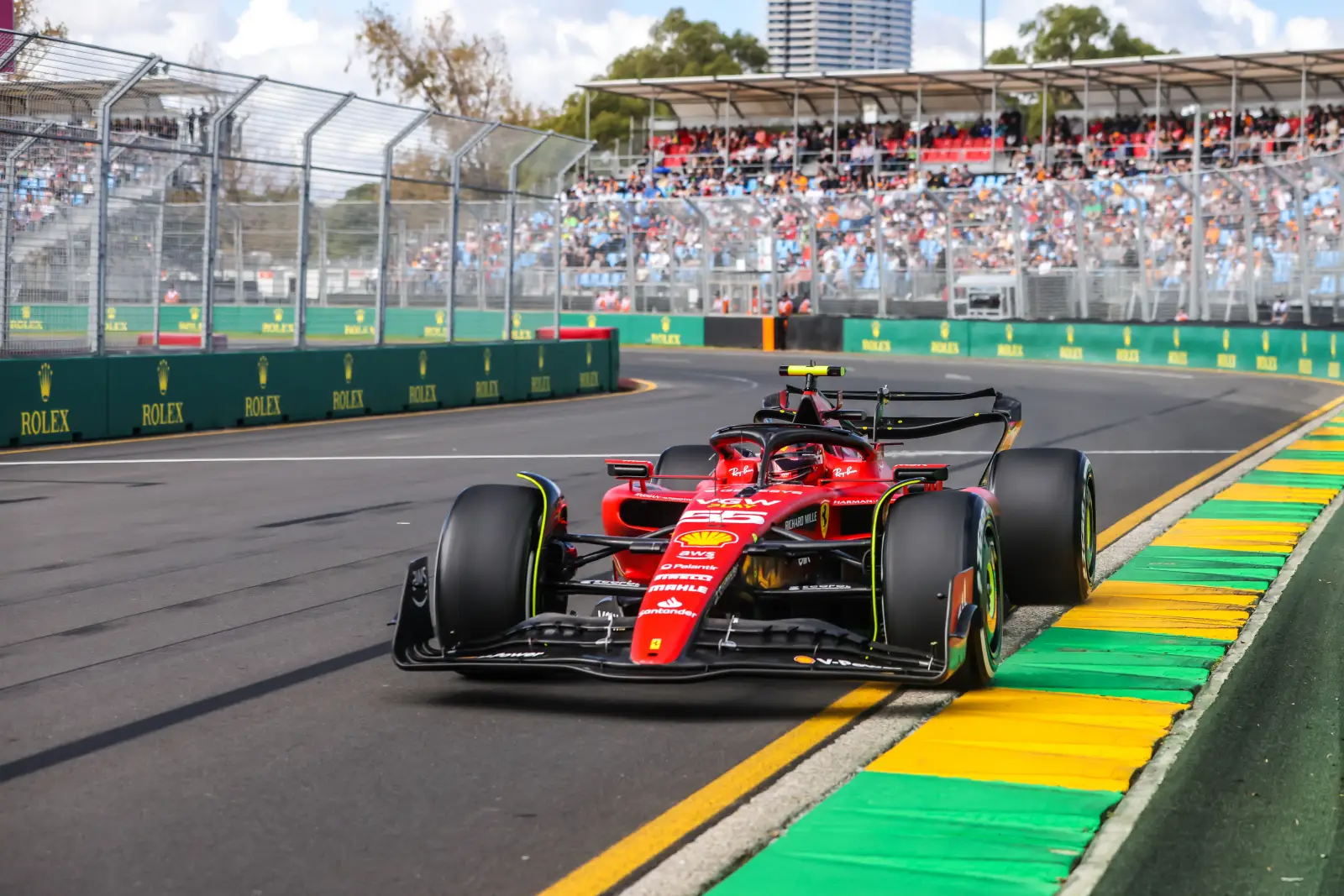
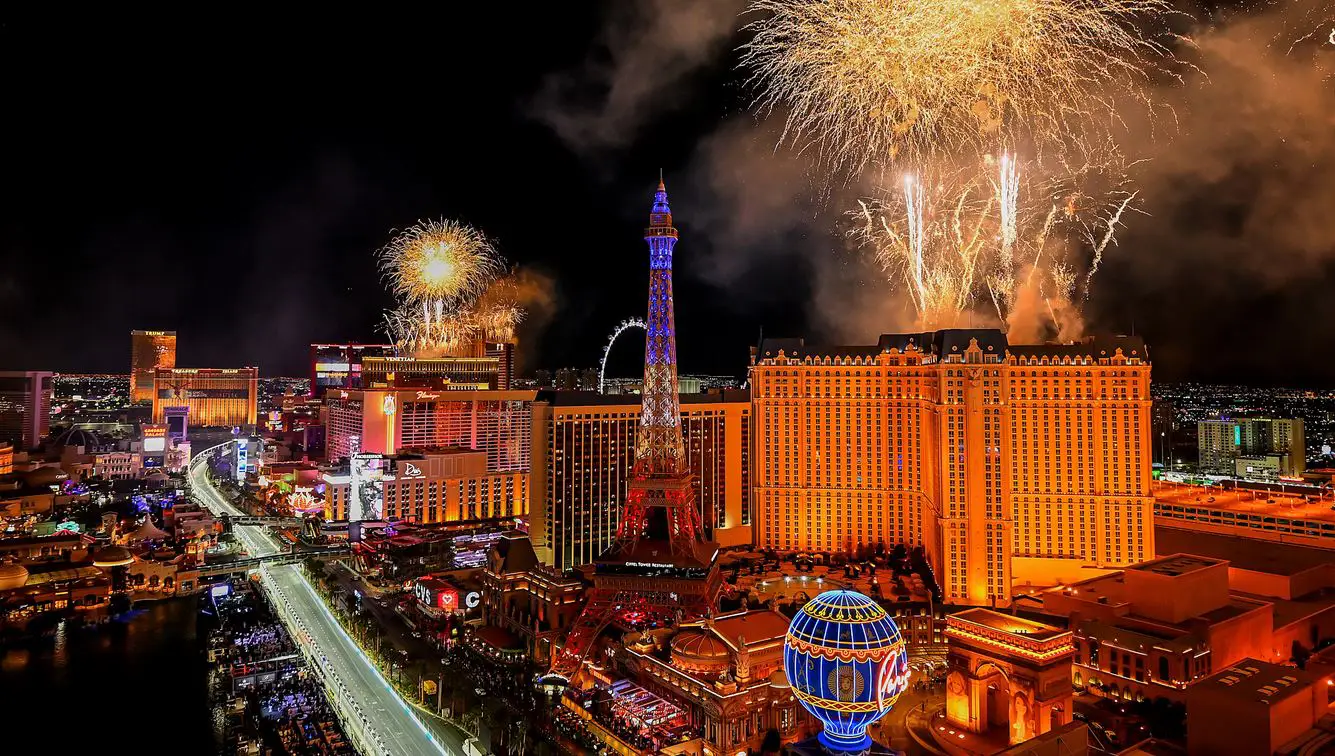
The Monaco Grand Prix’s appeal has grown alongside the global expansion of Formula One. The sport has attracted new audiences in recent years, particularly in the United States, helped by the popularity of Netflix’s Drive to Survive documentary series and the addition of high-profile races in cities including Miami and Las Vegas.
Unlike many modern Formula One circuits located outside major cities, Monaco offers visitors the ability to combine the race with luxury shopping, fine dining, casinos, beach clubs and Mediterranean leisure tourism within walking distance of the track. Tourism analysts say this urban setting remains one of Monaco’s biggest competitive advantages over other Formula One destinations.
The event’s international television exposure also continues to provide valuable marketing visibility for Monaco’s tourism industry. Images of superyachts, harborfront hotels and the Riviera coastline are broadcast globally during race weekend, reinforcing Monaco’s long-standing association with luxury travel and exclusivity.
Sustainability Questions Remain
At the same time, the Grand Prix has faced growing debate around sustainability and overtourism. Environmental groups have criticized the concentration of private jets, helicopters and superyachts linked to the event, while residents regularly face traffic restrictions and overcrowding during race week.
Monaco and regional authorities have increasingly highlighted environmental initiatives linked to tourism and transport infrastructure. Nice Côte d’Azur Airport recently became the first major French airport to achieve Level 5 Airport Carbon Accreditation.
Despite those concerns, the Monaco Grand Prix remains central to Monaco’s global identity as a tourism destination. Few sporting events combine elite competition, hospitality, entertainment and destination marketing on the same scale.
As Formula One’s worldwide popularity continues to grow, the Monaco Grand Prix is expected to remain one of Europe’s most significant luxury sports tourism events and one of the Riviera’s most economically important weekends of the year.
Top Photo Credit: Drozdin Vladimir / Shutterstock.com