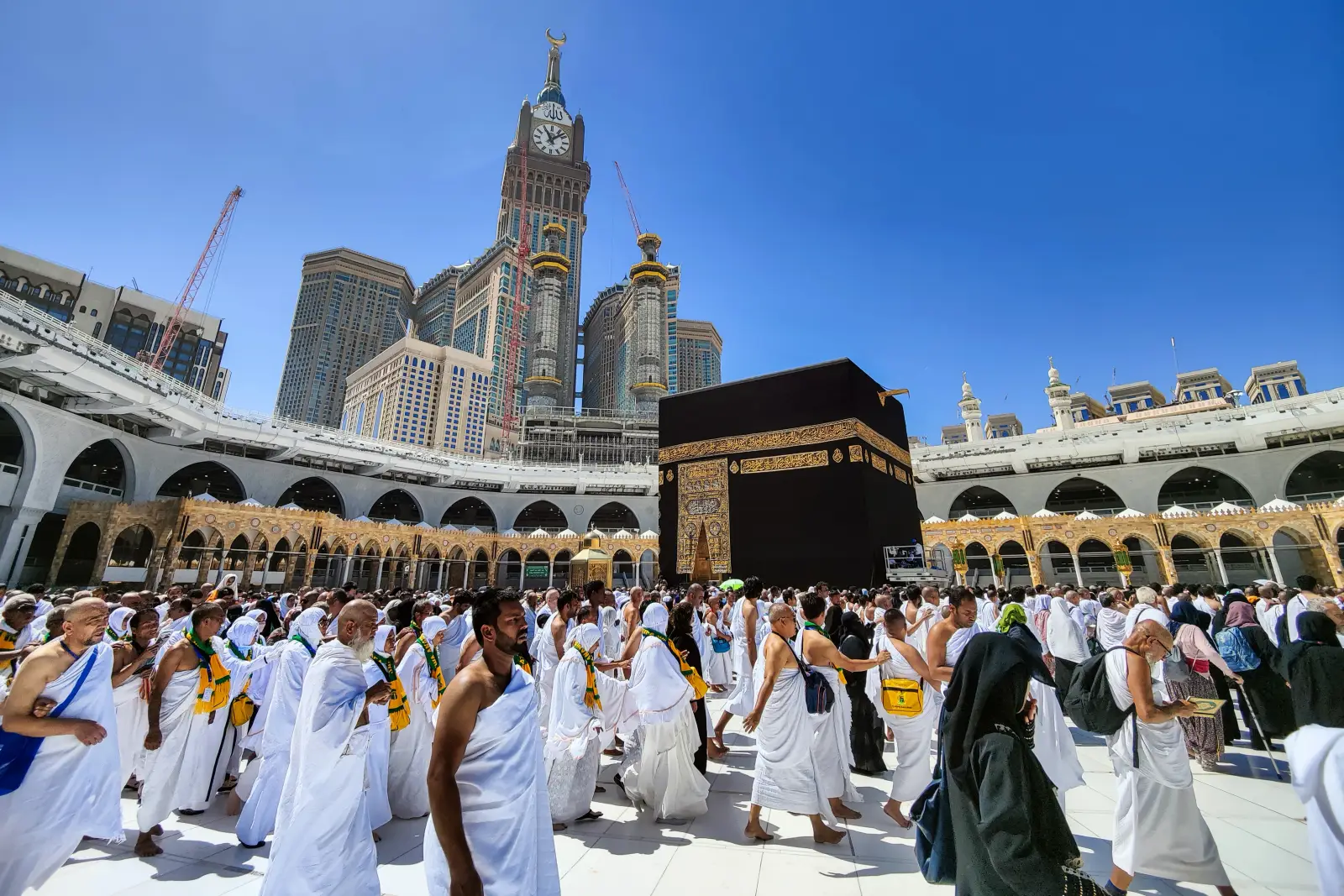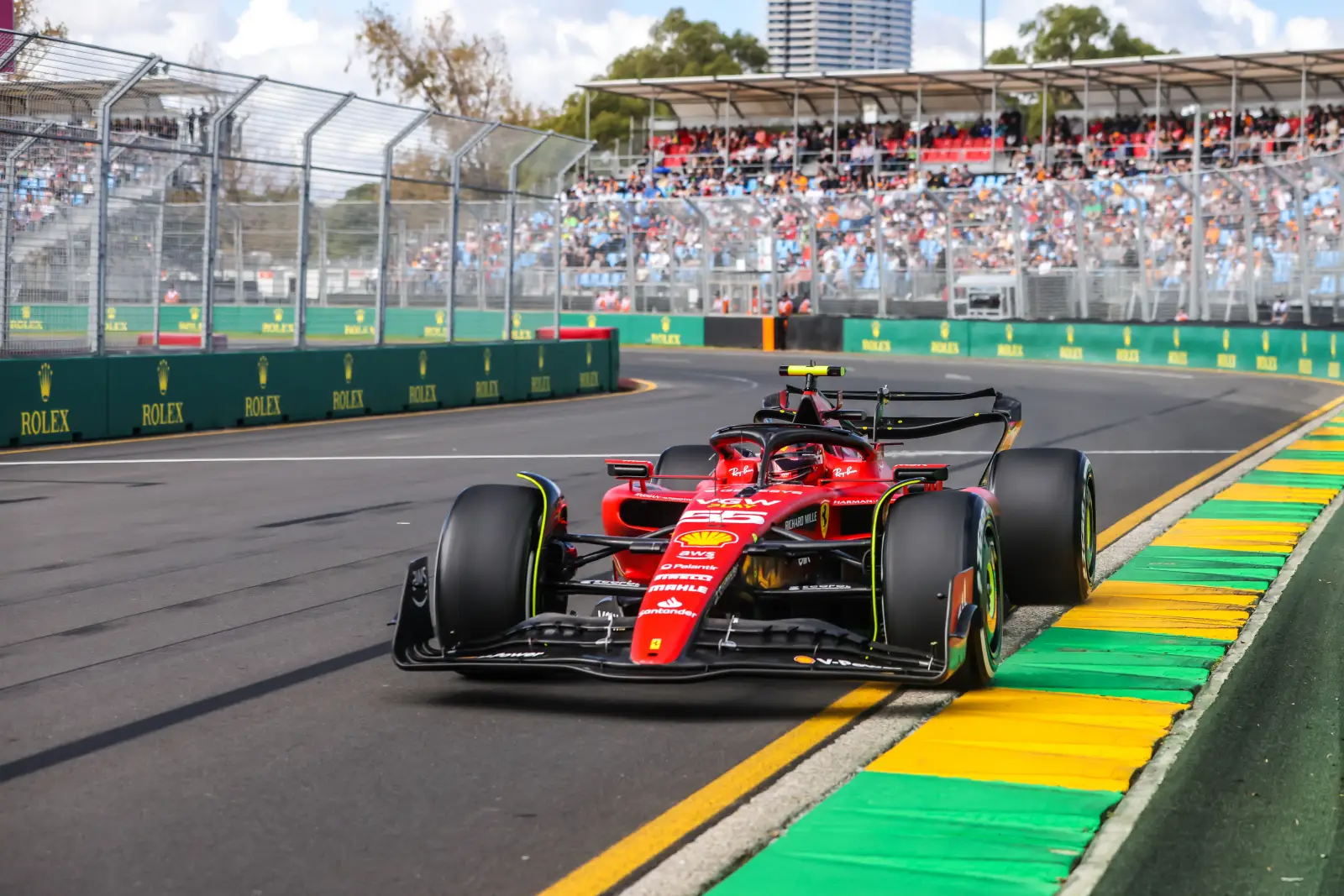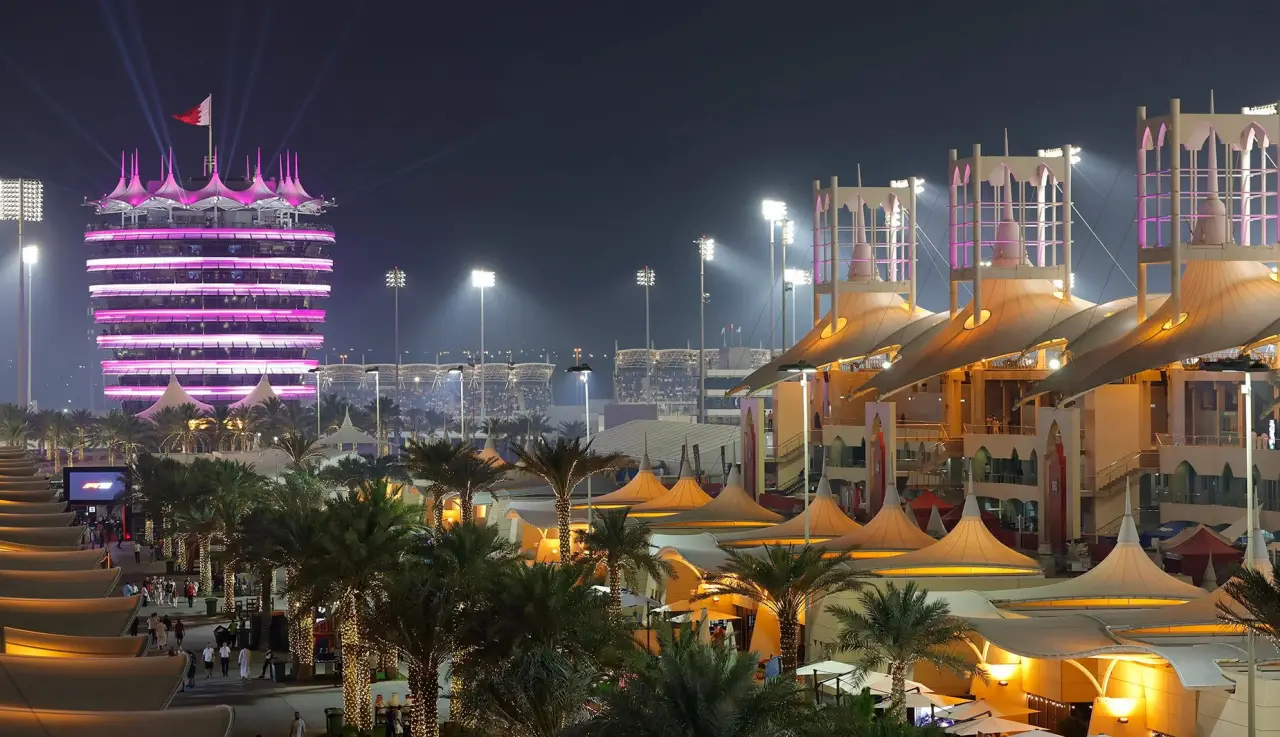
The Bahrain and Saudi Arabian Grand Prix weekends in April have been cancelled as a result of the war in the Middle East.
Formula 1 has concluded after “careful evaluations” that it is not safe to hold either race because of the ongoing conflict across the region.
Stefano Domenicali, President and CEO of Formula 1, said: “While this was a difficult decision to take, it is unfortunately the right one at this stage considering the current situation in the Middle East.
“I want to take this opportunity to thank the FIA as well as our incredible promoters for their support and total understanding as they were looking forward to hosting us with their usual energy and passion. We cannot wait to be back with them as soon as the circumstances allow us to do so.”
Both the Chief Executive of the Bahrain International Circuit and the Saudi Automobile and Motorcycle Federation they fully support and respect the decision taken by Formula 1.
The Bahrain and Saudi races were scheduled in April
The Bahrain event at Sakhir was scheduled for 10-12 April, while the Saudi event in Jeddah would have taken place a week later. Both are night races.
BBC Sports reported that the Bahraini capital Manama hosts a US naval base in the residential district of Juffair, where many F1 personnel stay during the race weekend. Jeddah is further away on the western side of the Arabian peninsula, but the Saudi event was hit in 2022 when a missile strike was launched against a nearby oil facility by Yemeni Houthi rebels, allies of Iran.
With both sites at risk of attack from Iran or its allies, the cancellation announcement felt inevitable for some time.
The races will not be rescheduled or replaced, so the F1 season will be reduced to 22 races and there will be a five-week gap between the Japanese Grand Prix on 27-29 March and Miami on 1-3 May.

Alternative races not possible
F1 did explore the possibility of holding alternative races. Portimao in Portugal, Imola in Italy and Istanbul in Turkey were all considered, as was the possibility of a second race in Japan.
In the end, all were abandoned because of a confluence of factors – the difficulty of organising a race at such short notice, including selling tickets, the minimal chance of securing a significant hosting fee, and the impact on already tired F1 personnel.
$200 million in lost revenue
An analyst report from Guggenheim Partners suggested that F1 would lose roughly $200 million in annual revenue if the two races are lost. Last year, the racing series generated $3.9 billion in total revenue and an operating income of $632 million.
Bahrain and Saudi Arabia pay two of the largest hosting fees on the circuit. That money is split between the 11 teams and F1 itself, according to the sports complicated revenue structure.
The Middle East represents one of the most lucrative markets in top-line earnings from promoter fees. The Guggenheim estimates that Bahrain and Saudi Arabia collectively pay about $115 million to host their races, which will be lost for F1 in the event of cancellation. The agreement with Bahrain runs through 2036, while Saudi Arabia ends in 2030.
The series does not return to that part of the world until the Azerbaijan Grand Prix in September. The Qatar and Abu Dhabi races will close out the season in November and December, respectively.
Photo credit – AMG-Petronas FI Team website