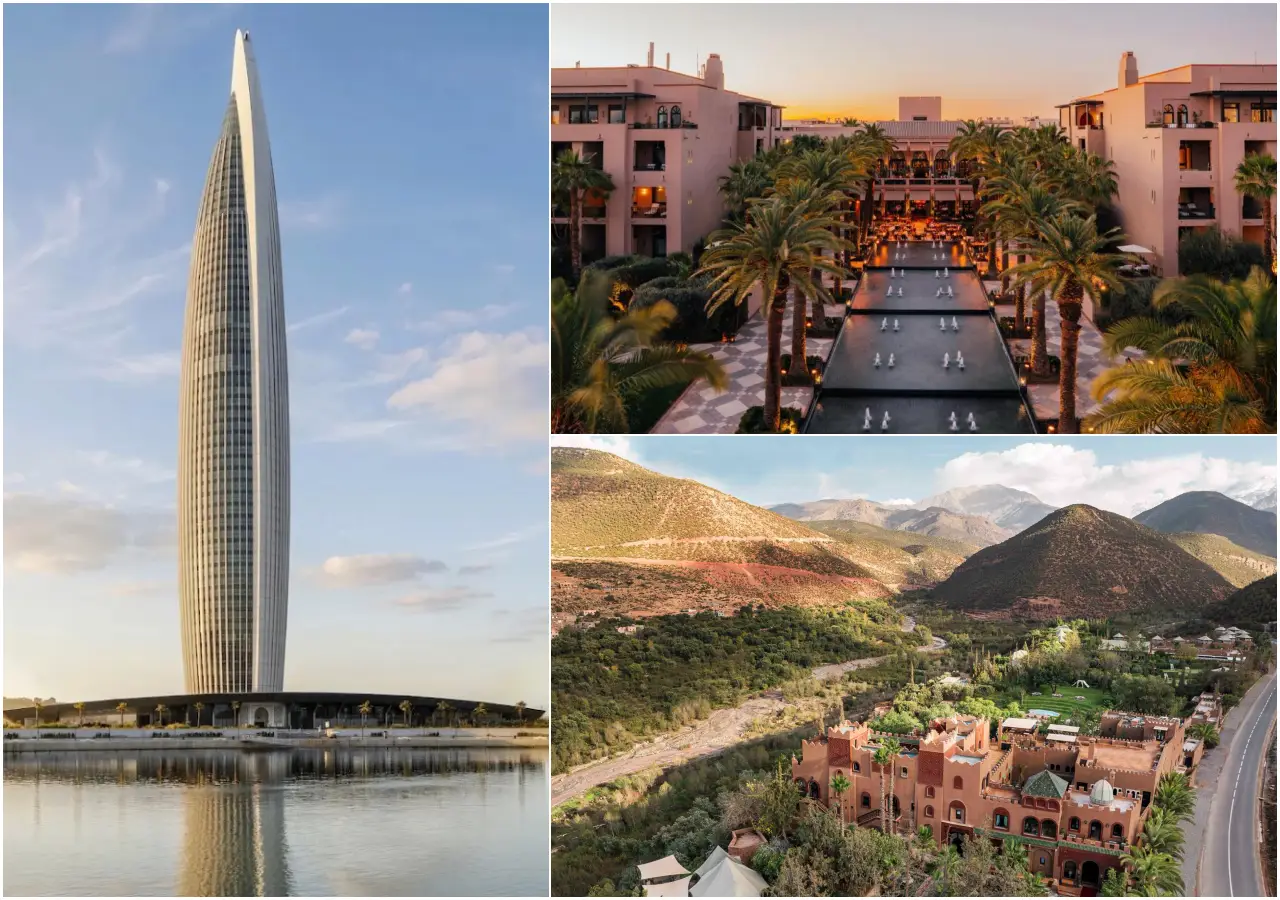
Official data shows Morocco now has just more than 300,000 hotel beds, after adding 45,000 over the past four years. Morocco plans to expand its hotel capacity by 60,000 beds, equal to about a fifth of its current total, by the time the country co-hosts the 2030 World Cup, its tourism minister Zahra Ammor told Reuters.
Morocco is riding a wave of publicity from its quarter-final run in the latest World Cup after becoming the first African and Arab side to reach the semi-finals in Qatar four years ago.
The government is investing more than 190 billion dirhams (about $20 billion) to build and expand rail, road, airports, stadiums and other urban infrastructure ahead of the 2030 tournament, where Morocco is one of three main co-hosts with Portugal and Spain. The expansion is part of a broader effort to use the tournament to support long-term tourism growth.
The number of matches each of them will host has yet to be decided.
PLANS FOR RABAT
The North African country welcomed nearly 20 million tourists last year, making it the most visited destination in Africa. It aims to attract 26 million visitors by 2030.
Tourism is a key sector for the country. It employs thousands of people and contributes seven percent of gross domestic product. Morocco’s central bank expects tourism revenue to reach a record 161 billion dirhams (about US$43.8 billion) in 2027, up from 138 billion dirhams (about US$37 billion) in 2025.
More air routes from Europe have also boosted the sector. The “next phase of growth” will focus on increasing arrivals from China, the United States and the Middle East through improved air connectivity, Ammor said.
The country is also seeking to diversify tourism beyond traditional destinations such as Marrakech and Agadir. This includes making the capital Rabat – with its centuries-old monuments, museums and sports facilities – a hub for cultural events, sports events and business travel, Ammor said.
“We need to make investments that create lasting value for Moroccan tourism,” she said.