Cape Verde’s extraordinary debut at the 2026 FIFA World Cup is generating a sharp and measurable surge in holiday interest, with travel firms reporting search and booking figures unlike anything the Atlantic island nation has seen before. The team, known as the Blue Sharks, has become one of the tournament’s great underdog stories — and the effect is now being felt well beyond the football pitch.
The numbers are striking. Skyscanner said searches from Germany for trips to Cape Verde between June and September rose by 177% compared with the same period last year, with a notable peak on and around 15 June — the day of the team’s opening match against Spain. TUI, Europe’s largest travel operator, has seen an even more direct commercial effect. “We see partially a doubling of searches and inquiries in the travel agencies,” said Aage Dünhaupt, a spokesman for TUI. He added that bookings “are up to 20 percent over the previous year’s level” for the coming months, particularly in autumn.
The catalyst is a run that has captivated football fans across the world. Cape Verde — a volcanic archipelago of ten inhabited islands with a population of around 525,000 — is making its first-ever appearance at a men’s World Cup. Entering the tournament ranked 67th in the world, the side went through the group stage completely unbeaten: a 0-0 draw against Spain, a 2-2 result against Uruguay, and a final 0-0 draw against Saudi Arabia in Houston that sealed their place in the Round of 32. Finishing runners-up in Group H behind Spain, Cape Verde became the smallest nation by population ever to reach the knockout stage of the men’s World Cup, surpassing Iceland’s run in 2018 and the first debutant to make the knockouts since 2010. They now face defending world champions Argentina in Miami on 3 July.
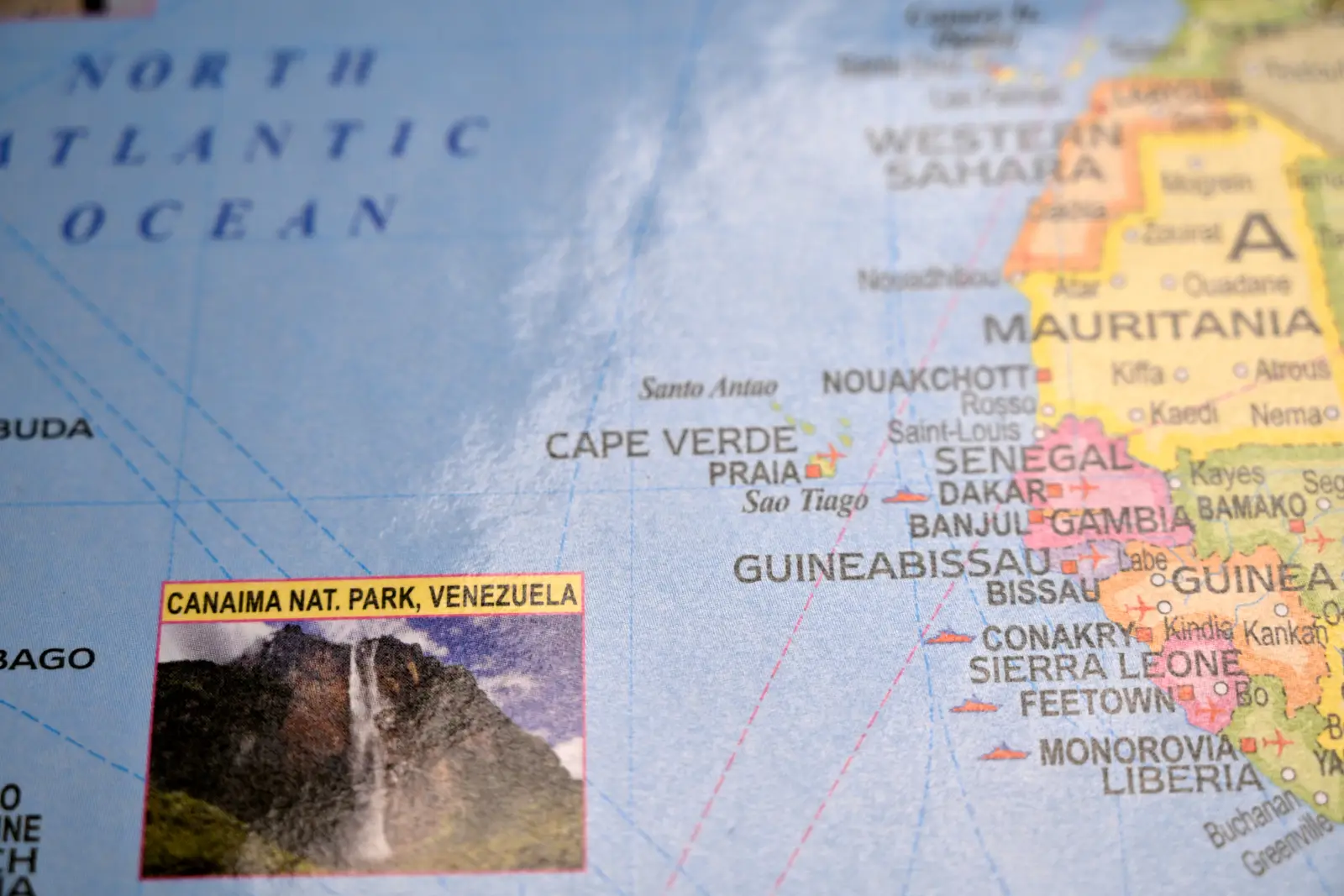
No single moment has defined the campaign more than the story of goalkeeper Vozinha. The 40-year-old made a series of outstanding saves in the opening 0-0 draw against Spain, denying one of the tournament favourites and instantly becoming a global talking point. His Instagram following surged from around 50,000 to more than 9.7 million in the days that followed. But it was what happened off the pitch that truly moved a global audience. Vozinha revealed after the match that his mother, Ana Cândida Évora, had been unable to secure a US visa to attend the game, partly because Cape Verde is among the 50 countries whose citizens can face bond payments of up to $15,000 to obtain US entry. His emotional post-match comments prompted an intervention by House Democratic Leader Hakeem Jeffries, who contacted Secretary of State Marco Rubio directly. The State Department waived all fees, and Ana Cândida Évora flew from the capital Praia to be reunited with her son in time for the Uruguay match. The moment was widely shared and helped push Cape Verde’s story far beyond football audiences.
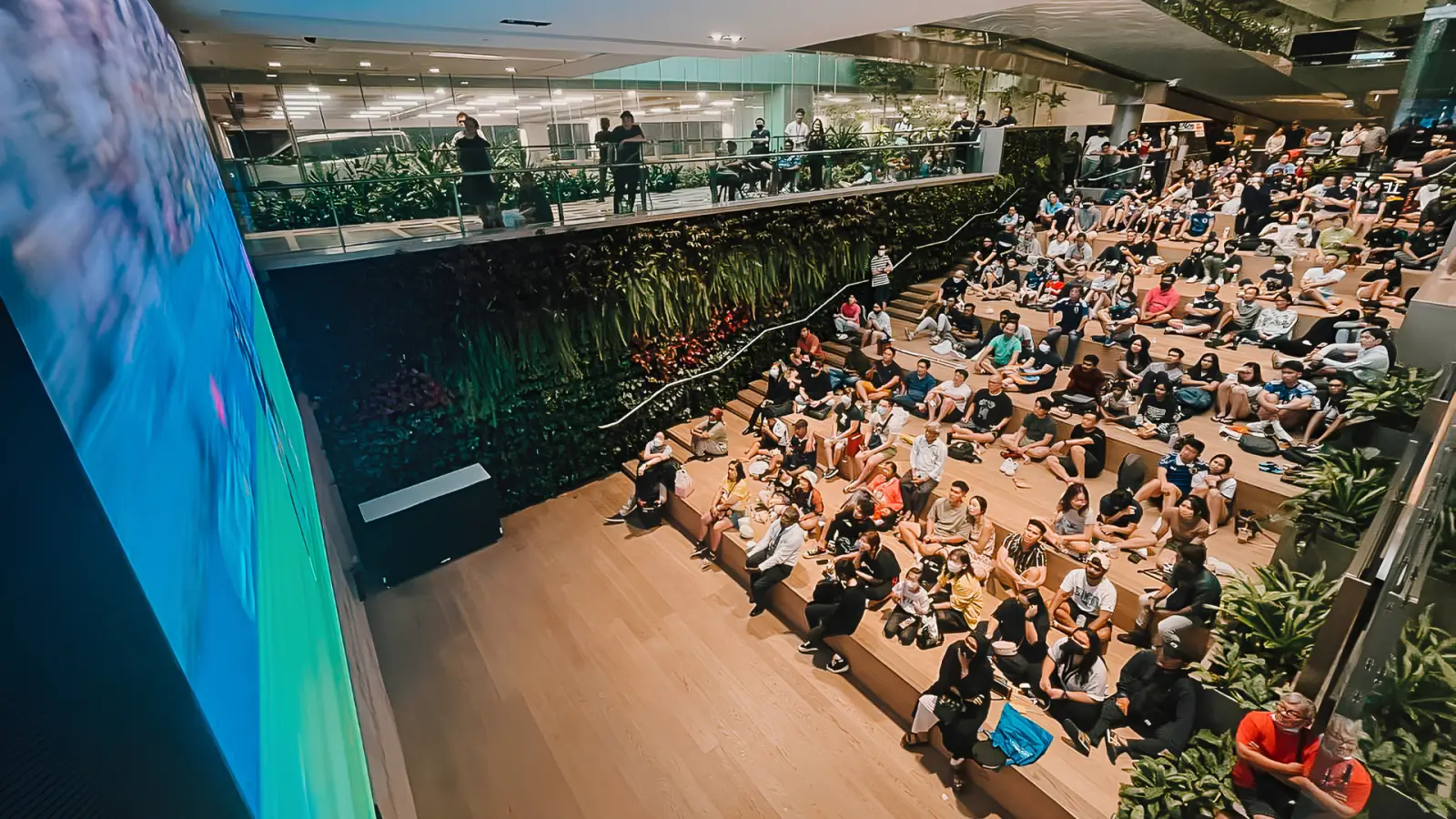
Much of the emotional pull also comes from Cape Verde’s diaspora. With deep traditions of emigration shaped by geography and economic hardship, the islands have around 1.5 million people and descendants living abroad. The largest European communities are in Lisbon and Rotterdam, and a significant population also lives in the US state of Massachusetts. This community has followed the team closely throughout the tournament, filling stadiums with colour and noise, and helping turn each match into a celebration of national identity as much as sport. African football as a whole has had a strong 2026 World Cup, with Senegal, Morocco and Congo also performing well — but Cape Verde’s story has stood apart for its intimacy and its human detail.
For the travel industry, the conversion from football interest to holiday bookings has been unusually swift. TUI operates direct flights to Cape Verde via Tuifly from Frankfurt, Munich, Düsseldorf, Stuttgart and Hannover, making the islands accessible to a broad base of European holidaymakers now paying attention for the first time.
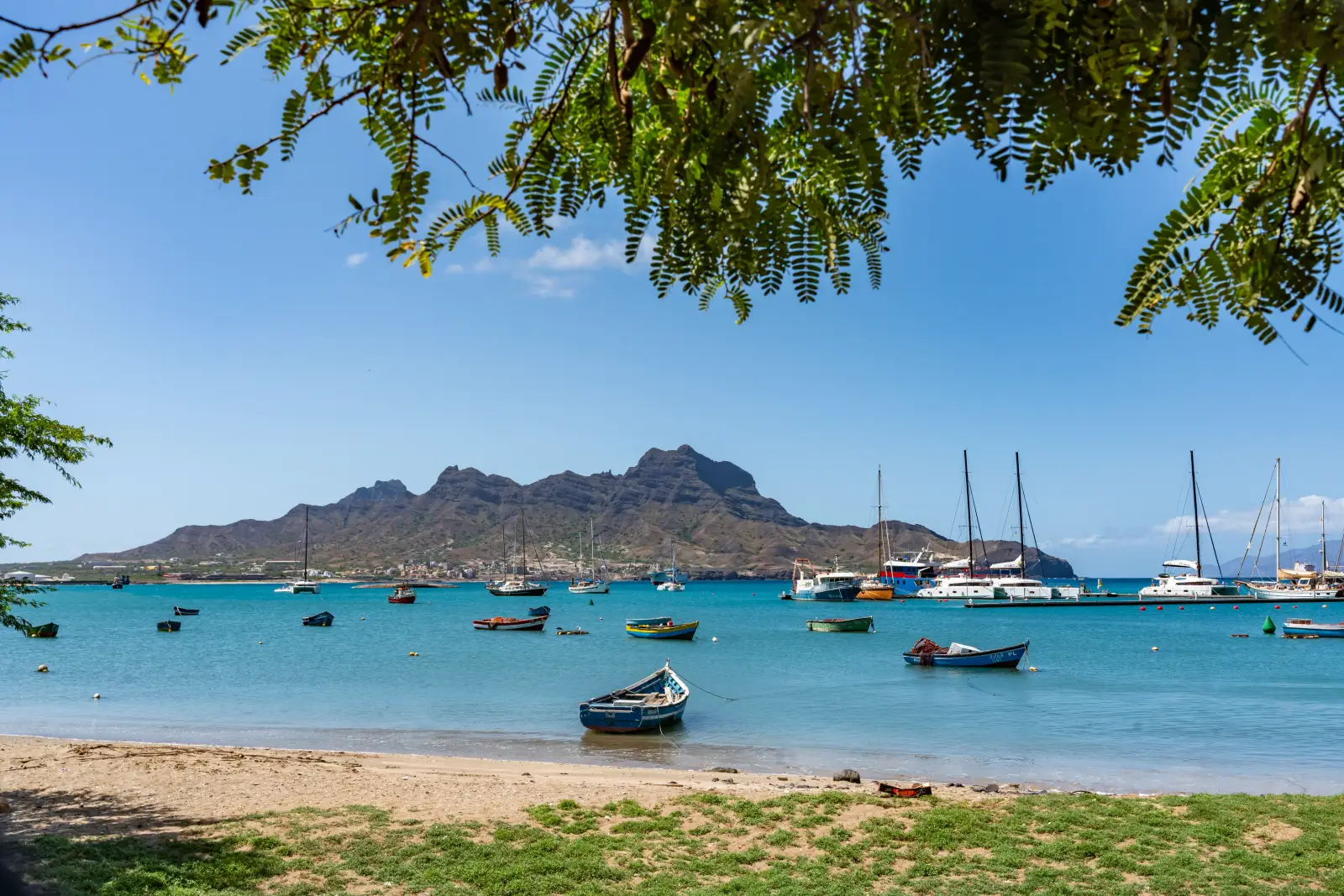
Cape Verde enjoys around 350 days of sunshine per year and consistent Atlantic trade winds, which have made the islands a globally recognised hub for kite surfing and windsurfing. Sal and Boa Vista are the most popular islands for beach tourism. Santa Maria Beach on Sal stretches for several kilometres of fine pale sand, flanked by hotels, restaurants and bars. Tarrafal Bay on Santiago is a quieter option — a palm-fringed cove with calm water ideal for swimming and snorkelling. For walkers, the Paul Valley on Santo Antão offers terraced fields set against steep volcanic walls, a landscape unlike anywhere else in the Atlantic.
Tourism promoters have long positioned Cape Verde as a year-round alternative to the Canary Islands, with a similar climate but a more distinct cultural identity shaped by Portuguese colonial history, West African roots and the music genre known as morna — most famously associated with the late singer Cesária Évora. The islands have been building their tourism infrastructure steadily, and a World Cup spotlight at this scale is the kind of exposure that destination marketers rarely get to plan for.
How much of the current surge converts into lasting growth will depend partly on what happens next in the tournament. Cape Verde’s Round of 32 match against Argentina — led by Lionel Messi and widely expected to be among the favourites to lift the trophy — is scheduled for 3 July in Miami. Another strong performance would extend the team’s time in the global headlines and almost certainly sustain the travel interest that has already built. Either way, for a small island nation that has rarely commanded this level of international attention, the 2026 World Cup has already changed the conversation.
Top Photo Credit: Gail Johnson / Shutterstock.com