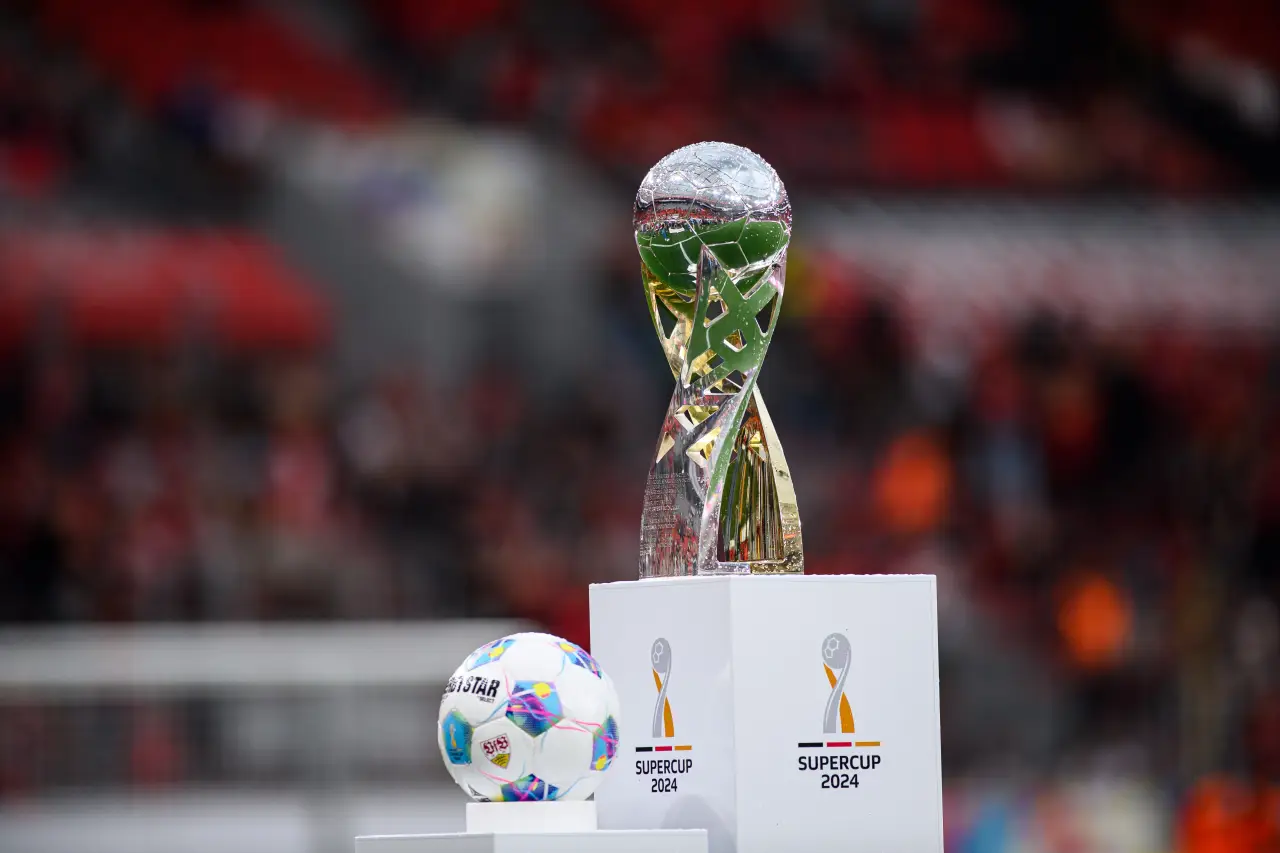
Paris Saint-Germain retained the UEFA Champions League title after defeating Arsenal on penalties in Budapest, but the final’s impact extended far beyond football as Hungary’s capital experienced one of the largest sports tourism events in its history.
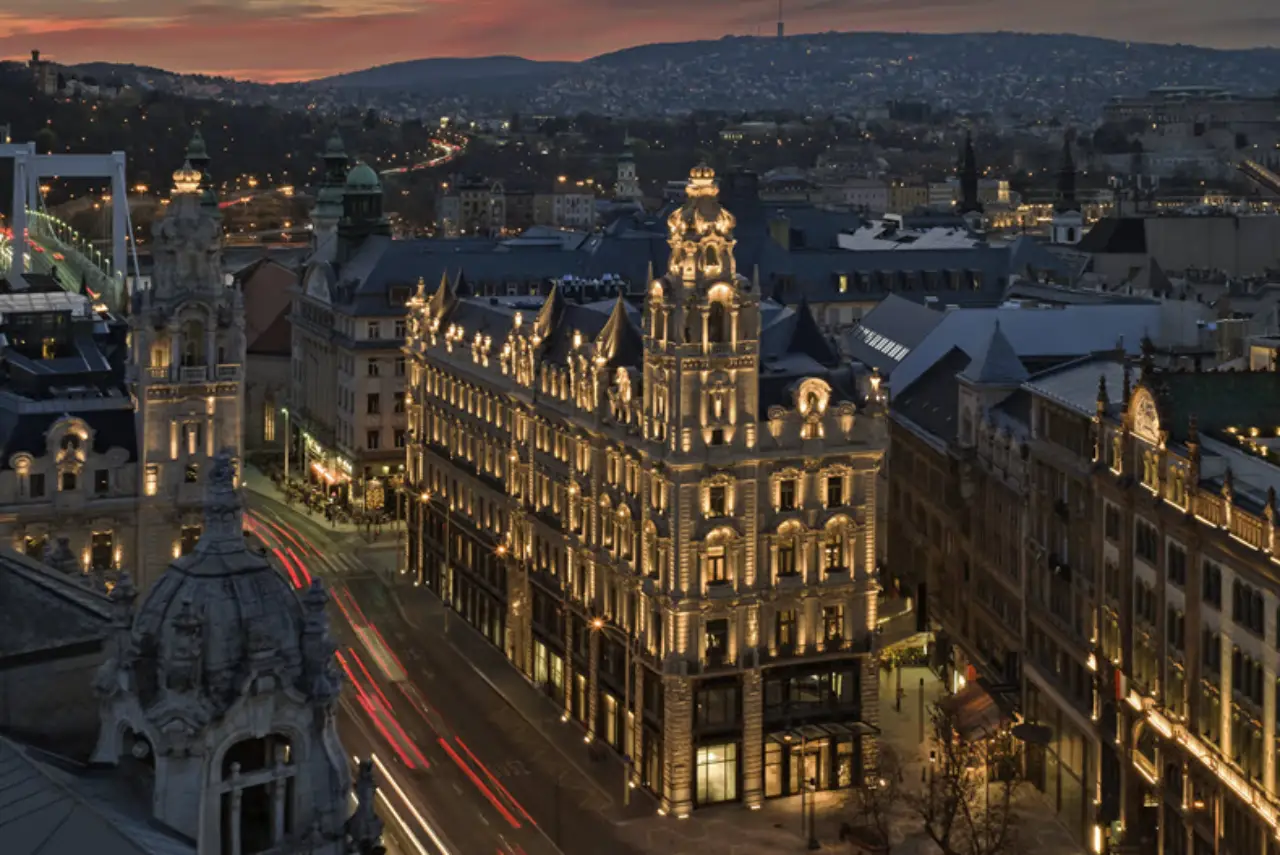
The match at the 67,000-capacity Puskás Aréna attracted tens of thousands of international supporters and generated a tourism and aviation surge that transformed Budapest into Europe’s main football travel destination during the weekend.
PSG secured a 4-3 victory in the penalty shootout after the final ended 1-1 following extra time. The result gave the French club back-to-back Champions League titles and strengthened its global commercial profile.
Economic estimates released by Hungarian research institute GKI Economic Research suggested the Champions League final could generate between €90 million and €140 million in direct local economic impact for Budapest over an event window of approximately 10 days. The institute estimated the event would attract between 50,000 and 70,000 foreign supporters, with average spending ranging from €700 to €1,000 per visitor and average stays of around three nights.
GKI said the biggest gains were expected across hotels, restaurants, entertainment venues, transport services, taxis, retail and tourism attractions. The institute also noted that Champions League finals typically create sharp increases in premium hotel pricing and city-centre hospitality demand.
The scale of the tourism surge became visible weeks before kick-off. Hungarian and British reports showed hotel prices climbing dramatically after PSG and Arsenal qualified for the final.
At some Budapest hotels, prices reportedly increased more than 18 times compared with normal rates. Reports showed rooms at hotels including Expo Tower Hotel and Bohem Art Hotel rising from around €73-113 to more than €1,400-1,600 for the final night. Booking platforms warned that 99% of accommodation in Budapest had already sold out ahead of the match weekend.
The Financial Times reported average Budapest hotel prices climbed from around €146 to approximately €690 during the final period, while some remaining rooms exceeded £1,200 per night.
Airfares also surged sharply as supporters rushed to secure travel to Hungary. Flights from London and Paris climbed several times above normal levels, while budget airline fares reportedly rose tenfold on some routes. One-way fares from the United Kingdom to Budapest reached more than £500 on several services close to the final.
Airlines and airport authorities introduced special operational measures to handle the unprecedented traffic. Budapest Airport said preparations for the final had begun almost a year earlier, with authorities expecting one of the busiest weekends in the airport’s history.
The airport estimated passenger traffic would exceed 100,000 travellers per day during the peak period, nearly double the normal daily level of around 50,000 to 55,000 passengers. Nearly 800 flights were expected daily between May 29 and 31, with the largest increases on London and Paris routes.
To help manage demand, Budapest Airport temporarily reopened Terminal 1 for selected flights linked to the final weekend. Additional charter flights, private jets and expanded airline schedules created one of the largest aviation operations ever linked to a sporting event in Hungary.
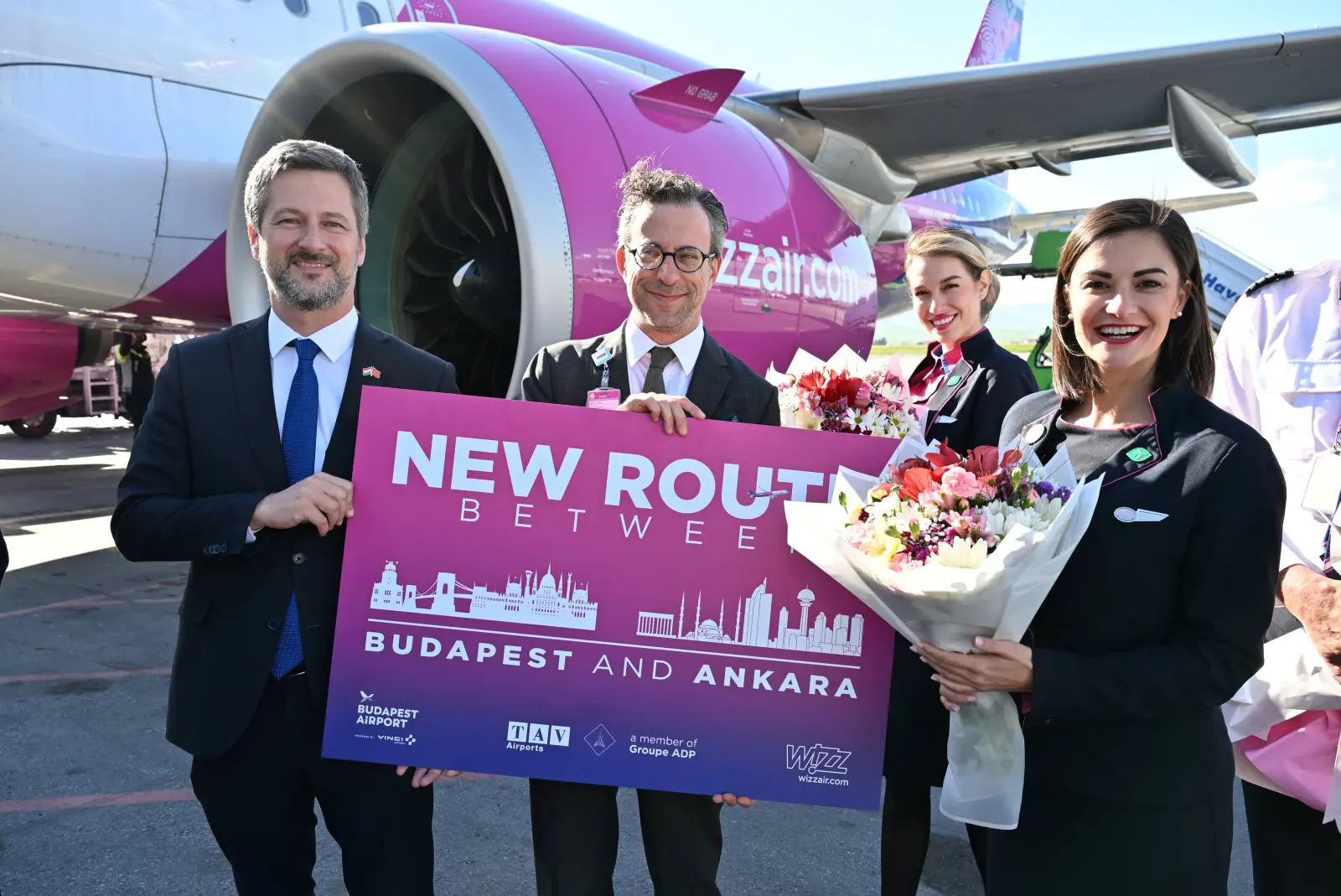
Air France, Wizz Air, Turkish Airlines and Qatar Airways were among carriers linked to additional capacity or aircraft upgrades during the event period.
UEFA allocated roughly 17,000 tickets to each finalist, but authorities expected thousands more ticketless supporters to travel to Budapest for fan zones, public screenings and nightlife events.
The city deployed nearly 4,000 police officers as part of one of the largest security operations in Budapest’s history. Public transport capacity was expanded across metro, tram and airport routes, while UEFA ticket holders received free transport access during the final weekend.
The UEFA Champions Festival at Heroes’ Square became one of the main gathering points for supporters, while restaurants and bars along the Danube River and in central nightlife districts reported exceptionally strong demand throughout the weekend.
Tourism experts said the Budapest final demonstrated the growing economic importance of sports tourism in Europe. UEFA finals increasingly function as large-scale tourism and branding events that affect airline scheduling, hotel pricing, transport infrastructure and destination marketing strategies.
GKI estimated the global cumulative television reach for the final at between 380 million and 450 million viewers worldwide, with live audiences averaging around 145 million to 150 million viewers. The research institute said the exposure could help position Budapest among Europe’s premium tourism and events destinations over the coming years.
Industry analysts also compared Budapest’s expected economic performance with previous Champions League finals. UEFA’s official impact study found the 2024 London final generated approximately €91 million in Gross Value Added and supported around 1,400 jobs, while reports from Spain estimated Madrid’s 2019 final generated around €123 million in total impact.
Budapest has invested heavily in sports infrastructure and event tourism over the past decade. In addition to the Champions League final, the city has hosted the Europa League Final, the World Athletics Championships, Formula One tourism linked to the Hungarian Grand Prix and multiple UEFA competitions.
For Hungary, the final represented more than a football match. Local business groups and tourism officials described it as a global showcase capable of strengthening Budapest’s long-term tourism profile and attracting future international sporting and entertainment events.
Photo Credit: x.com/PSG_English