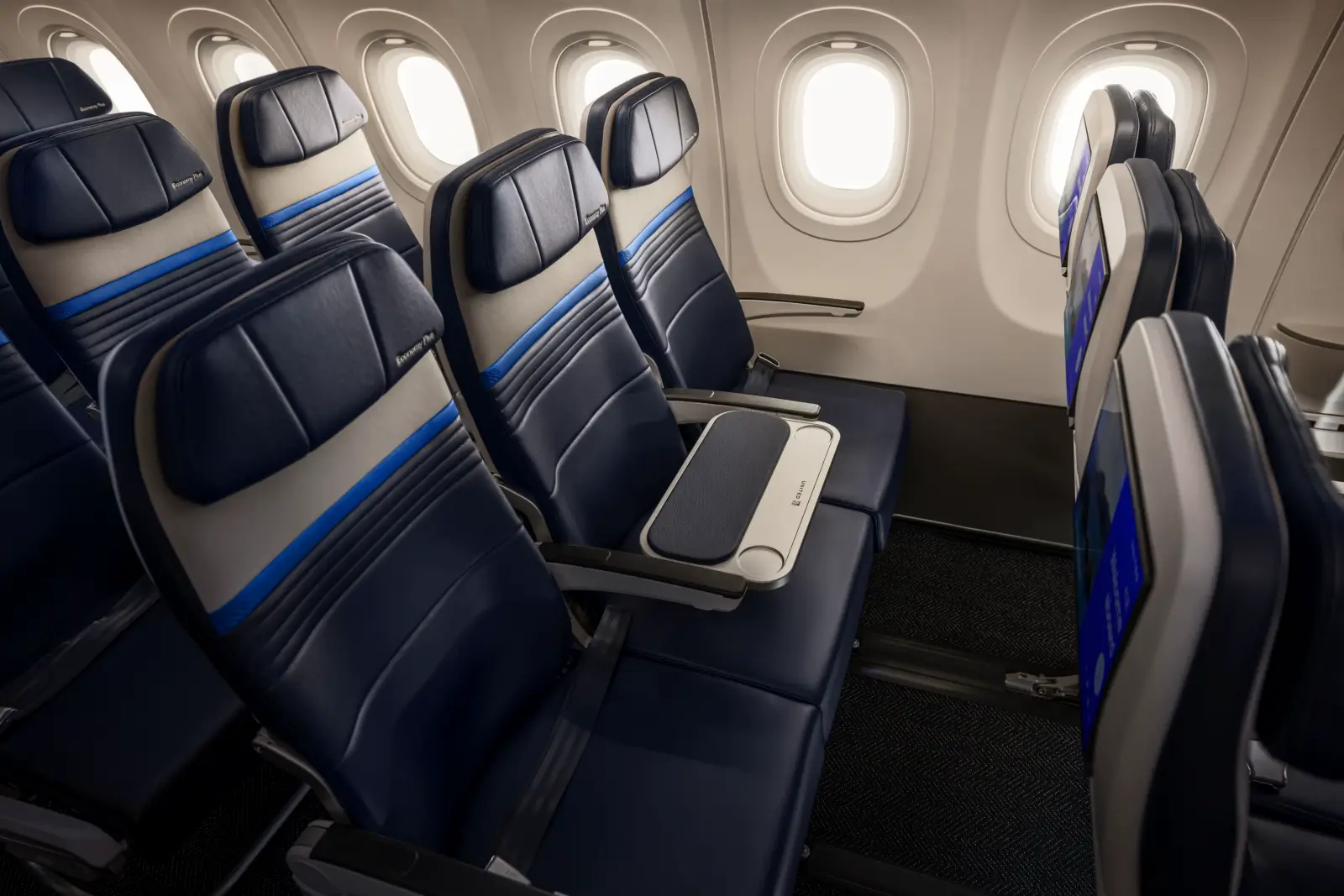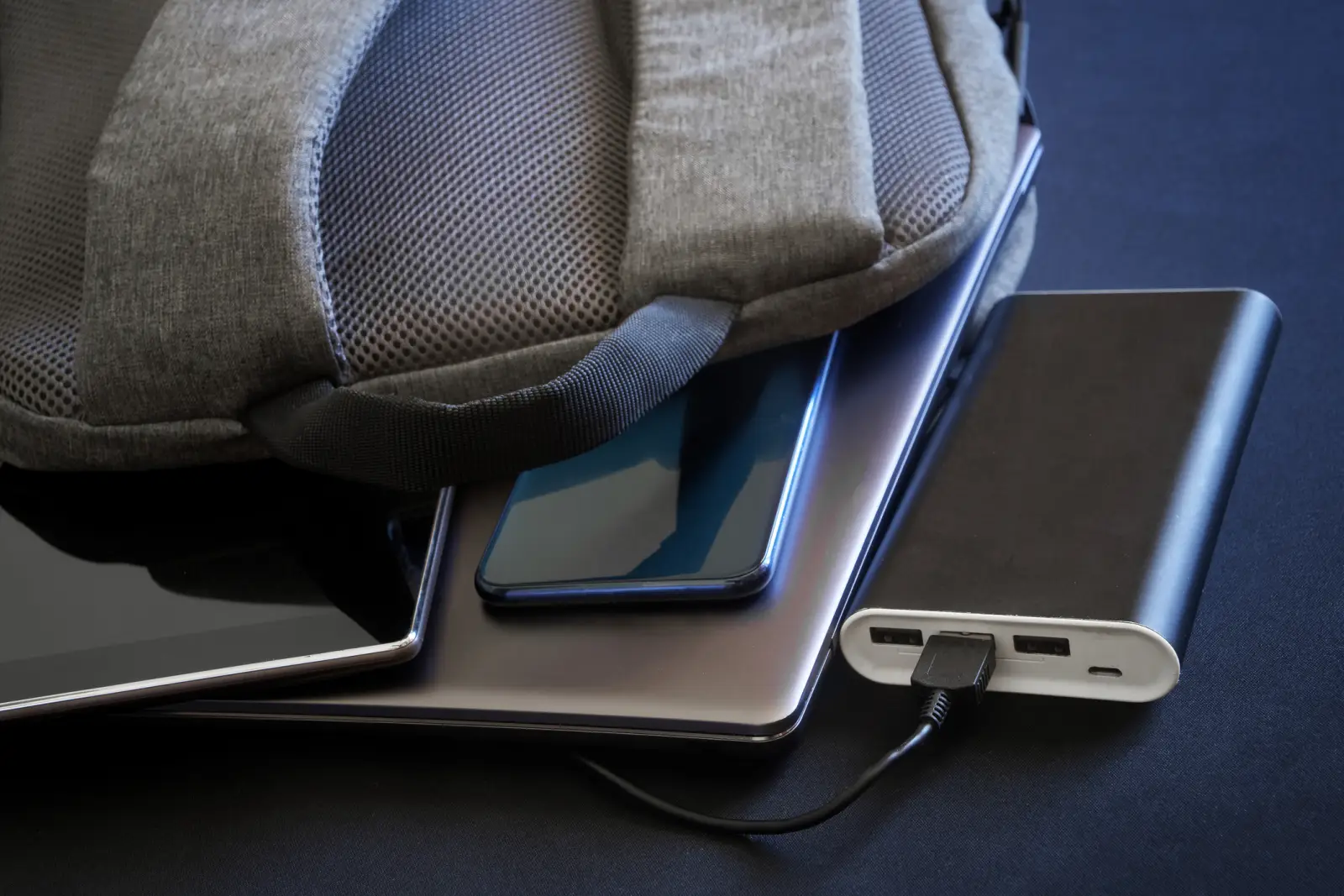
Southwest Airlines is banning power bank charging in bags to reduce the risk of fires caused by overheating lithium-ion batteries.
Starting May 28, passengers will no longer be allowed to use a portable power bank while it is stored inside a carry-on bag. Devices must be placed in a visible and accessible location, such as in the seat pocket, on a tray table, or on a lap, during charging.
New Policy Addresses Lithium Battery Fire Risks
This move makes Southwest the first major U.S. airline to enforce in-cabin visibility for charging devices powered by lithium batteries. The policy is a proactive response to increasing safety concerns about thermal runaway events—dangerous overheating incidents that can lead to smoke or fire onboard.
According to the Federal Aviation Administration (FAA), 620 battery-related incidents have been reported between March 2006 and April 2025. Of these, 240 involved portable battery packs, the most frequently implicated device type. So far in 2025, 22 such incidents have already occurred.
Hassan Shahidi, president and CEO of the Flight Safety Foundation, said the policy allows cabin crew to act quickly in emergencies: “If it is not accessible, it is a problem.” Visibility is essential to early detection and swift intervention in case a device overheats or emits smoke.
What the New Rule Means for Passengers
Under the updated policy, travelers are permitted to bring powered-off charging devices inside their bags but cannot use them while hidden in luggage placed under the seat or in overhead compartments. Charging is only permitted if the device is within plain view, defined by Southwest as being “within sight,” such as:
- On a passenger’s lap
- On the tray table
- Inside the seat-back pocket
- On top of a personal item at your feet
This regulation affects only devices in use. Unused or powered-off power banks may still be stowed as usual. The policy is meant to balance convenience and safety by allowing portable power without compromising response time during an emergency.
Global Context: Stricter International Guidelines
Several Asian carriers have implemented more restrictive policies. Airlines such as Singapore Airlines and Thai Airways prohibit in-flight use of power banks altogether. In South Korea, new guidelines prohibit storing charging devices in overhead bins and require passengers to place power banks in visible pouches or apply insulating tape over connectors.
In a serious January 2025 incident aboard an Air Busan flight, a fire filled the cabin with smoke, forcing an emergency evacuation of 180 passengers and crew. Although the cause has not been confirmed, investigators suspect a degraded power bank may have triggered the event.
FAA Recommendations and Traveler Tips
The FAA has long recommended caution when flying with lithium-ion batteries. Since 2020, spare lithium batteries have been banned from checked baggage. In 2023, Robert Ochs, manager of the FAA fire safety branch, advised passengers to limit device charging during flights and, if charging, to cap battery levels at around 30% to reduce the risk of thermal runaway.
Here are key tips for safer travel with personal electronics:
| Do’s | Don’ts |
|---|---|
| Keep power banks visible during use | Don’t charge devices while stored in bags |
| Power off unused devices in bags | Don’t pack power banks in checked luggage |
| Use the seat outlet, if available | Don’t rely on overhead storage for electronics |
| Charge devices to no more than 80% | Don’t use damaged or unapproved batteries |

Why Visibility Matters on Board
Fires on aircraft—especially in the cabin—are extremely dangerous. If a battery inside a bag begins to overheat, smoke may build up before it’s even noticed. Making devices visible allows crew or passengers to act swiftly with fire extinguishers or water to contain the threat before it escalates.
Shahidi emphasized that “by the time [flight attendants] realize something’s going on, it’s already smoking,” referencing past emergency landings, including a 2023 Spirit Airlines flight that diverted to Jacksonville due to a battery fire.
As portable electronics grow more powerful, airlines are under pressure to reassess safety procedures. Southwest’s decision may lead other U.S. carriers to adopt similar restrictions, particularly as FAA data and international standards align.
Passengers can expect increased signage, reminders at check-in, and verbal announcements before takeoff regarding the new rule. For travelers using power banks mid-flight, visibility is now non-negotiable—not just for compliance, but for everyone’s safety in the sky.
Main Photo Credit: ID 213357694 ©
Miklmakmagnitka | Dreamstime.com