Summer in Canada usually means wide skies, glacier-fed lakes, and a cool escape from the southern heat. But this year, travelers hoping for a breath of fresh mountain air might find themselves breathing something else entirely: smoke. Wildfires, closures, and air quality alerts are rewriting travel plans across much of the country. So what should you know before visiting Canada now?
While wildfires may impact short-term travel plans, they haven’t dampened Canada’s long-term appeal as a place to live and work. UK citizens interested in moving to a Canadian city should be aware of the various immigration pathways available, from skilled worker programs to business and family sponsorships. A Canada immigration lawyer can help you navigate the process smoothly and ensure your move is both legal and well-prepared.
Let’s take a walk through the trails—or at least, the ones still open.
The Fire This Time
As of mid-June 2025, Canada is facing one of its worst wildfire seasons in history, second only to the catastrophic blazes of 2023. Over 1,800 fires are active, scorching more than 3.4 million hectares of land. That’s roughly the size of Taiwan.
And this isn’t just a western Canada problem. Fires have spread through Manitoba, Saskatchewan, Alberta, and into Ontario and Quebec. Even some of the coastal provinces, like British Columbia, are seeing trouble.
In fact, the Canadian Interagency Forest Fire Centre has declared a Level 5 national preparedness alert. That means all available firefighting resources are deployed—and still, the fires rage on.

📍 This Isn’t the First Time…
If this all feels familiar, it should. Back in 2023, Canadian wildfires choked the skies over the northern U.S., turning cities from New York to Washington, DC an eerie orange.
Schools in the capital even canceled outdoor activities as smoke made the air unsafe for children to play outside.
That year, the smoke impacted not just Canadian towns but millions across the U.S. East Coast. And now, in 2025, it’s happening again—only earlier, wider, and with even more at stake for travelers and locals alike.
Where Not to Go (At Least for Now)
Travelers who planned a peaceful retreat into the wilderness are being greeted instead by evacuation orders and park closures. If you’re heading to Manitoba, forget about camping at Whiteshell Provincial Park—it’s been shut down since mid-May.
The town of Lac du Bonnet and areas around Snow Lake, Flin Flon, and Lynn Lake are all under either evacuation or high alert. Manitoba alone has evacuated over 17,000 people, including many Indigenous residents.
In Saskatchewan, La Ronge and Creighton have seen similar orders. Narrow Hills Provincial Park? Closed. And if you’re driving, expect major road closures and limited visibility from smoke. Highway 97 in British Columbia is partially shut down due to active fire zones.
The Smoke Spreads
Even if you’re nowhere near the flames, the smoke might find you. Air quality alerts are blanketing regions as far east as Toronto and Montreal, and as far south as Chicago and New York.
You read that right. Smoke from Canadian wildfires has floated all the way down the U.S. East Coast and across the Atlantic to parts of Europe. This isn’t just bad news for scenic photos—it’s a serious health risk.
The air has reached “very unhealthy” levels in some places, prompting maroon-level alerts in Minnesota. Health officials recommend staying indoors, using air purifiers, and wearing N95 masks if you must be outside.
How It Affects Your Trip
So what does this mean for your vacation?
If you’re planning a hike in Banff, Jasper, or Algonquin, check daily for park alerts. Parks Canada updates conditions regularly, and many trailheads may be closed even if the park itself is still open.
If you’re staying in a major city like Winnipeg or Ottawa, pack for flexibility. Hotels are being used to shelter evacuees, so availability may be limited. Tour operators are adjusting itineraries, and some outdoor festivals have already been canceled.
Cruise and rail travelers are less impacted for now. Rocky Mountaineer issued a statement noting the fires are more than 600 miles away from its current routes, but the situation is being monitored.
Climate Change and “Zombie Fires”
Why is this happening again so soon after 2023? Experts point to a mix of climate change, record heat, and leftover underground “zombie fires” from last year that never fully went out. Combine that with dry conditions and wind, and you get the perfect storm.
In Fort Nelson, British Columbia, some of these fires have been smoldering since last season. Locals there were already on alert back in April.
Wildfire smoke isn’t just a nuisance—it contains tiny particulates that can worsen asthma, COPD, and even raise your risk of stroke. According to the Canadian Lung Association, people over 65, children, and those with respiratory issues should limit travel to affected areas.
What You Can Still Do
Don’t cancel your whole trip just yet. Plenty of areas are still open and welcoming visitors. The Atlantic provinces, parts of Quebec, and much of southern Ontario are (for now) largely unaffected. But make Plan B your best friend.
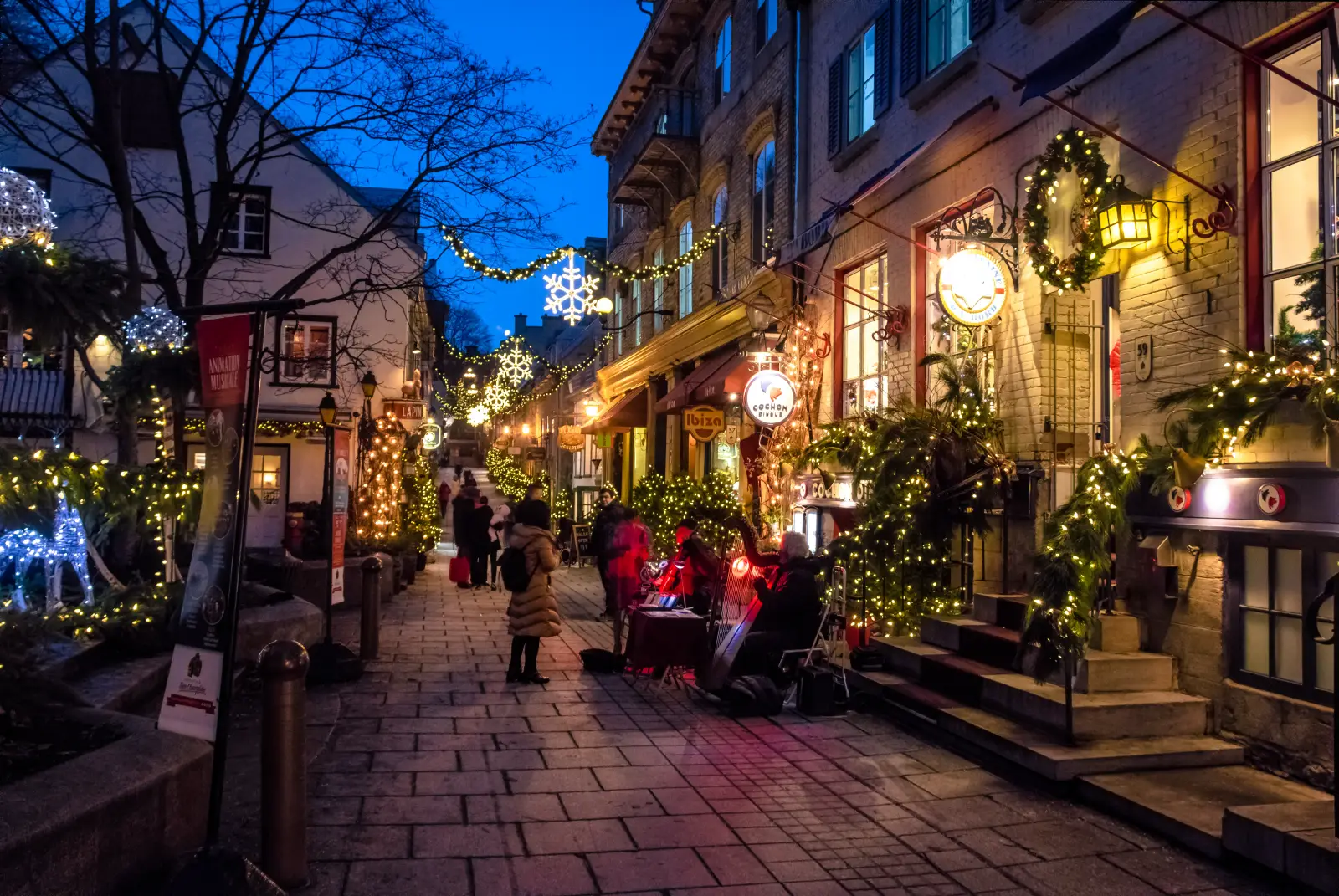
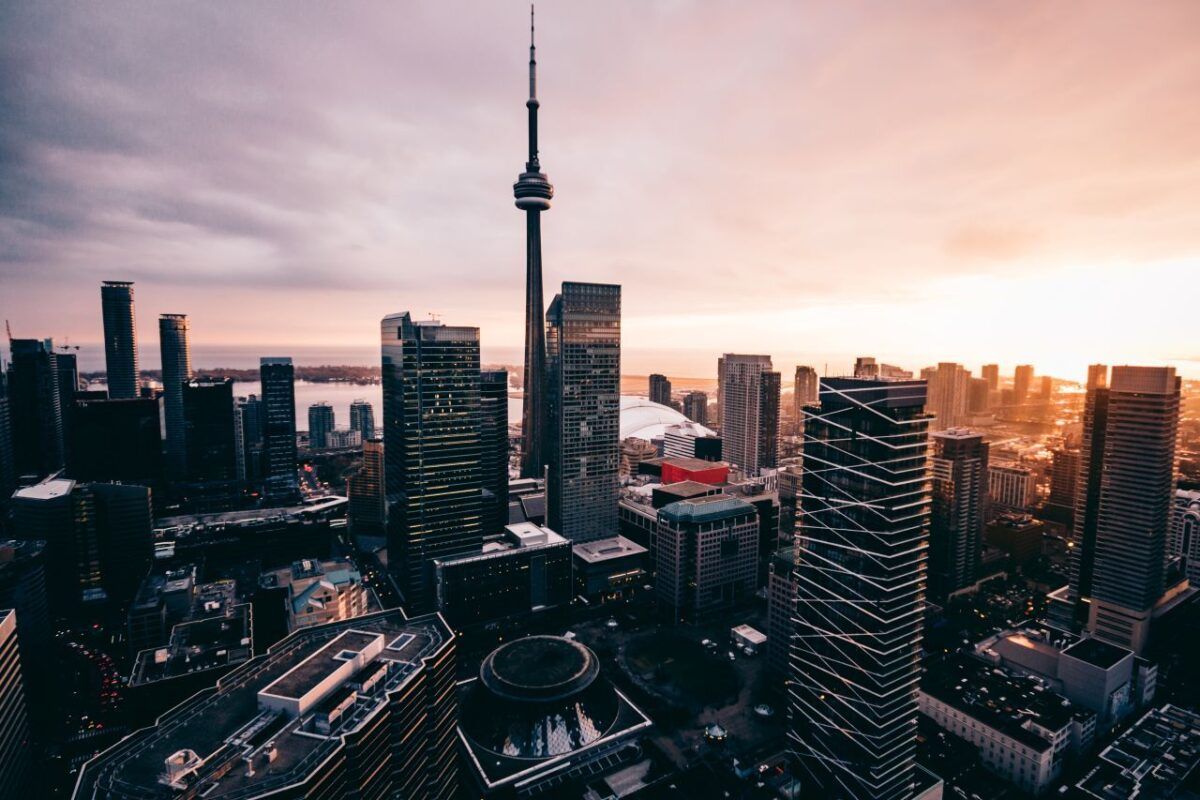
Consider indoor-focused travel: explore Quebec City’s old town, check out art museums in Toronto, or try a food tour in Montreal. Indoor air quality tends to be better, especially with filtration.
And if you’re keen on nature, try destinations like Nova Scotia or Prince Edward Island. They’re cooler, coastal, and far from current fire zones.
Smart Travel Tips for 2025
- Check the CIFFC fire map daily: ciffc.ca
- Monitor smoke and air quality on Firesmoke Canada
- Confirm hotel availability in cities sheltering evacuees
- Bring N95 masks and travel-size air purifiers
- Consider travel insurance that covers environmental hazards
One More Thing: Be Kind
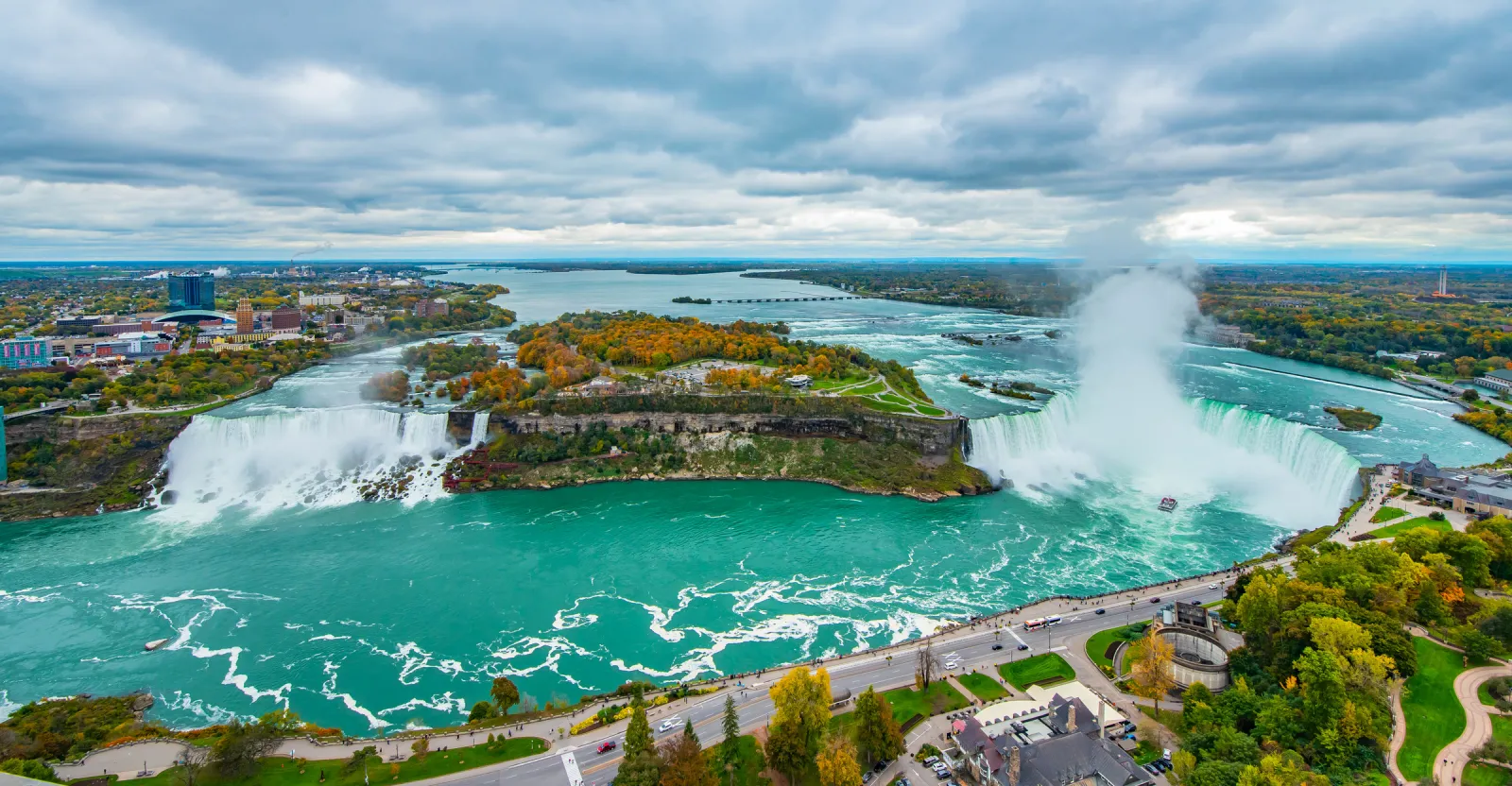
Many of the evacuees are Indigenous families from remote communities. Some have traveled hundreds of miles to places like Niagara Falls, staying in temporary shelters with no idea when they can go home.
If you’re lucky enough to be traveling for pleasure, be gracious to those traveling out of necessity.
So yes, Canada is still a wonderful place to explore. But this summer, go with an open mind, a flexible schedule, and a well-filtered suitcase. The lakes will still be there next year—but right now, the locals need the space more than the selfies.