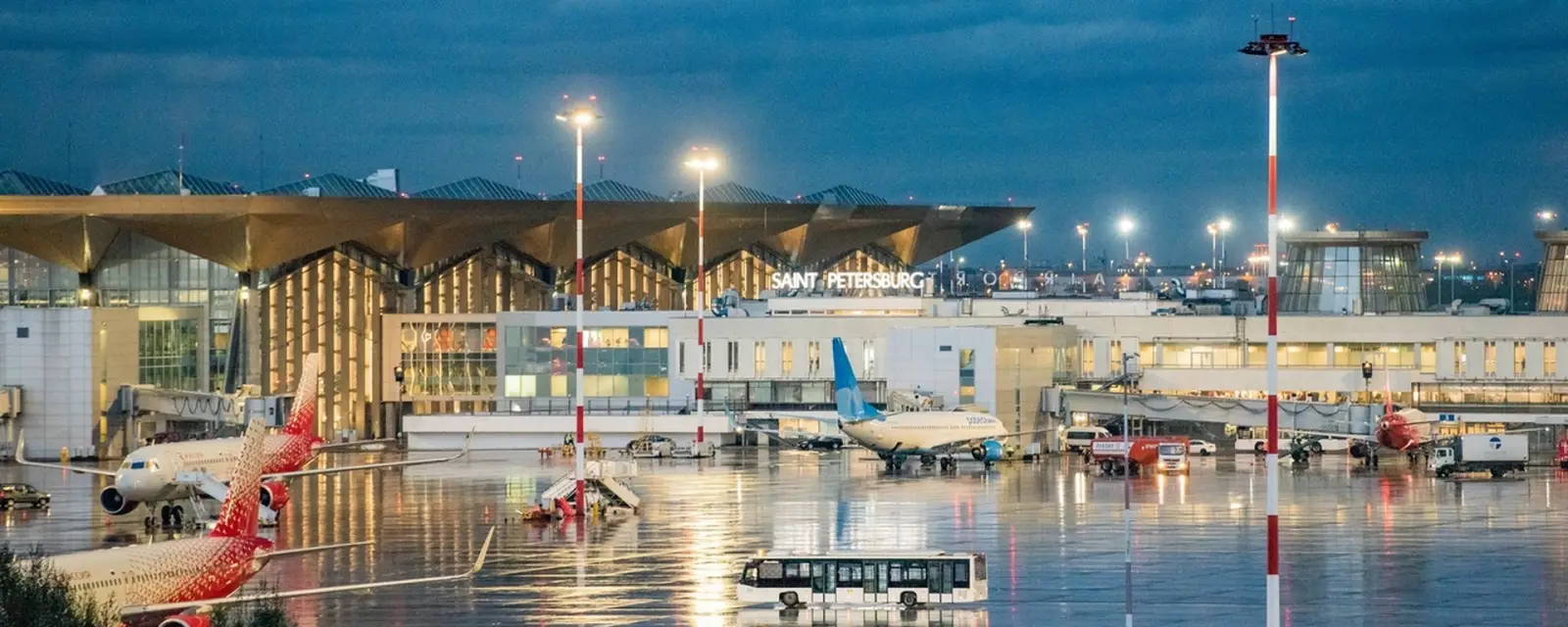
A drone attack near St. Petersburg disrupts operations at Pulkovo Airport, causing more than 100 flight delays and cancellations on 23 March 2026 after airspace restrictions are imposed for several hours.
Authorities temporarily suspend flights as air defenses respond to multiple unmanned aerial vehicles in the region, forcing diversions and extended delays for inbound and outbound services.
The disruption affects domestic and international travel schedules, with dozens of aircraft unable to land or depart during an approximately eight-hour closure of local airspace. The incident highlights the growing impact of the Russia-Ukraine conflict on civilian aviation, as drone activity increasingly reaches major transport hubs.
Flight operations halted as airspace restrictions imposed
Pulkovo Airport experiences significant operational disruption after authorities restrict airspace following reports of a large-scale drone attack targeting the Leningrad region. More than 100 flights are delayed or canceled, while at least 39 aircraft are diverted to alternative airports.
Officials confirm that at least 34 flights are delayed by more than two hours, with around 30 outbound services canceled entirely. Airlines adjust schedules throughout the day as crews and aircraft are repositioned following the disruption.
Airport operations gradually resume after airspace restrictions are lifted, but knock-on delays continue to affect flight schedules into the evening. Passengers experience extended waiting times and missed connections as airlines work to restore normal operations.
Russian authorities report that more than 60 drones were intercepted near St. Petersburg, part of a broader overnight wave of attacks across multiple regions. Nationwide, more than 250 drones are reported to have been shot down, indicating a coordinated operation.
The attack also affects infrastructure in the Leningrad region, with reports of damage to power lines and a fire at an oil terminal in Primorsk, a key export hub on the Baltic Sea. Emergency services respond to contain the fire and assess damage to critical facilities.
The disruption underscores the vulnerability of aviation networks to security incidents linked to the ongoing conflict. Increasing drone activity near major cities poses operational risks to airlines and airport authorities, particularly in regions near strategic infrastructure.