U.S. travelers heading to Europe are facing longer airport queues and new biometric checks after the European Union fully launched its Entry/Exit System (EES) across the Schengen Area.
The system, which records fingerprints, facial scans and passport data for non-EU visitors, has triggered confusion among travelers and raised concerns about delays during the busy summer travel season.
The EES became fully operational in April 2026 and applies to visitors from countries including the United States, the United Kingdom, Canada and Australia. Travelers entering participating European countries for short stays must now complete biometric registration when crossing external borders.
Airlines, airports and travel associations have warned passengers to arrive earlier than usual, particularly at major hubs expected to experience congestion during peak departure periods.
Reports from several European airports have already highlighted long queues linked to the rollout of the system. Travelers have described waiting extended periods at passport control points while biometric data is collected for the first time.
The EES replaces manual passport stamping and is designed to improve border security while tracking how long non-EU visitors stay within the Schengen Area. Once travelers are registered, future entries are expected to become faster because biometric data will already be stored in the system.
However, the initial registration process is creating challenges for many travelers unfamiliar with the new rules. Confusion has also grown online over the difference between EES and ETIAS, another upcoming European travel authorization system that has not yet launched.
Unlike ETIAS, which will require online pre-approval before travel, EES is completed physically at the border during arrival or departure procedures. Travelers do not currently need to apply online for EES before flying to Europe.
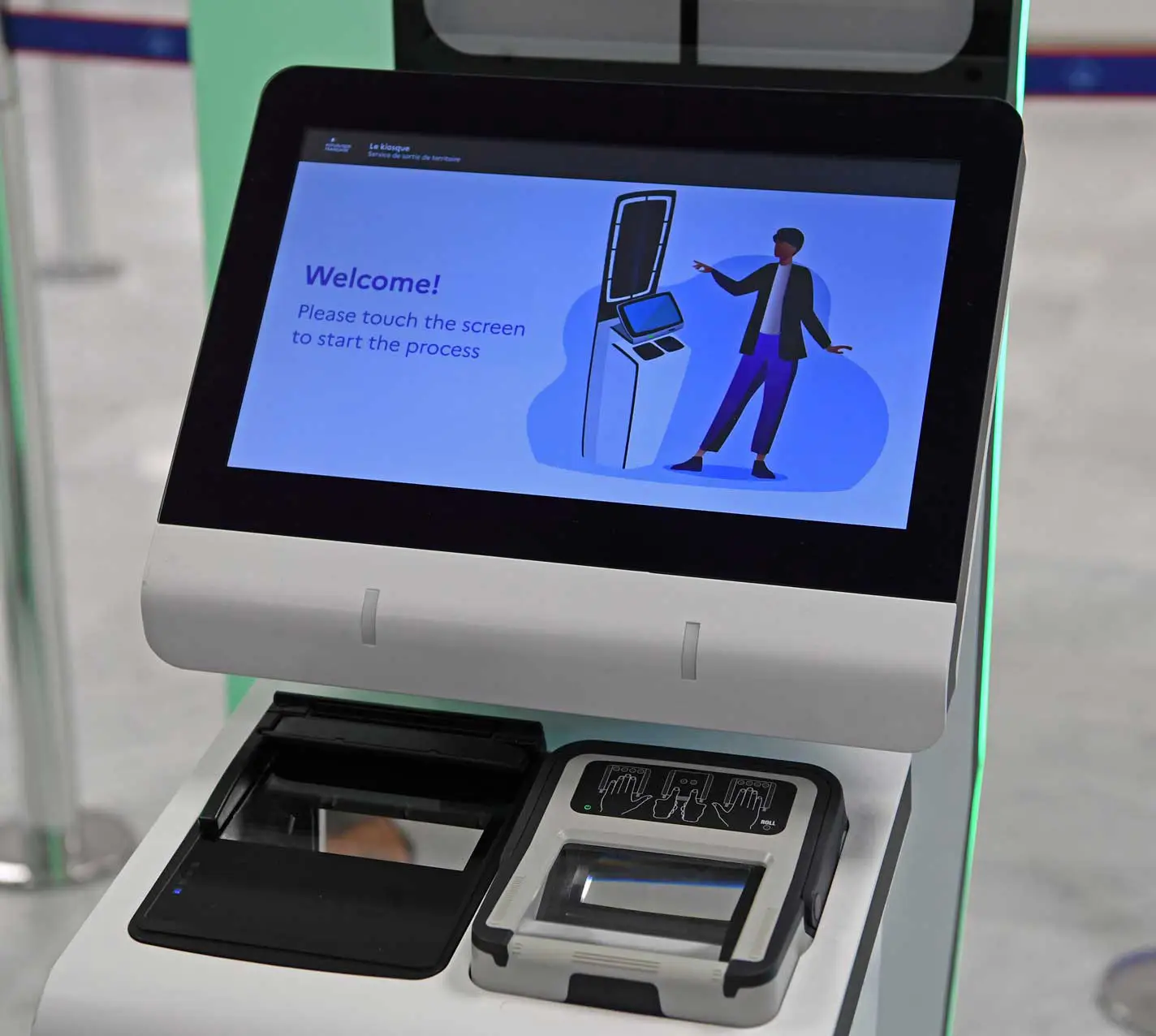
Under the new process, border officers or self-service kiosks may scan fingerprints, capture facial images and verify passport details. The process applies mainly to non-EU citizens entering Europe for tourism, business or short-term visits.
Several airports and ports are also introducing dedicated EES kiosks and mobile registration systems in an effort to reduce congestion. European authorities say the system will eventually streamline border crossings and improve the detection of overstays and fraudulent travel documents.
Travel experts are advising American tourists to allow additional time for check-in, passport control and boarding during the summer travel season, especially when flying through major gateways such as Paris, Amsterdam, Madrid, Lisbon and Rome.
The new border system arrives as Europe prepares for another record tourism year, with millions of Americans expected to visit the continent in 2026 despite rising travel costs and growing pressure on airport infrastructure.