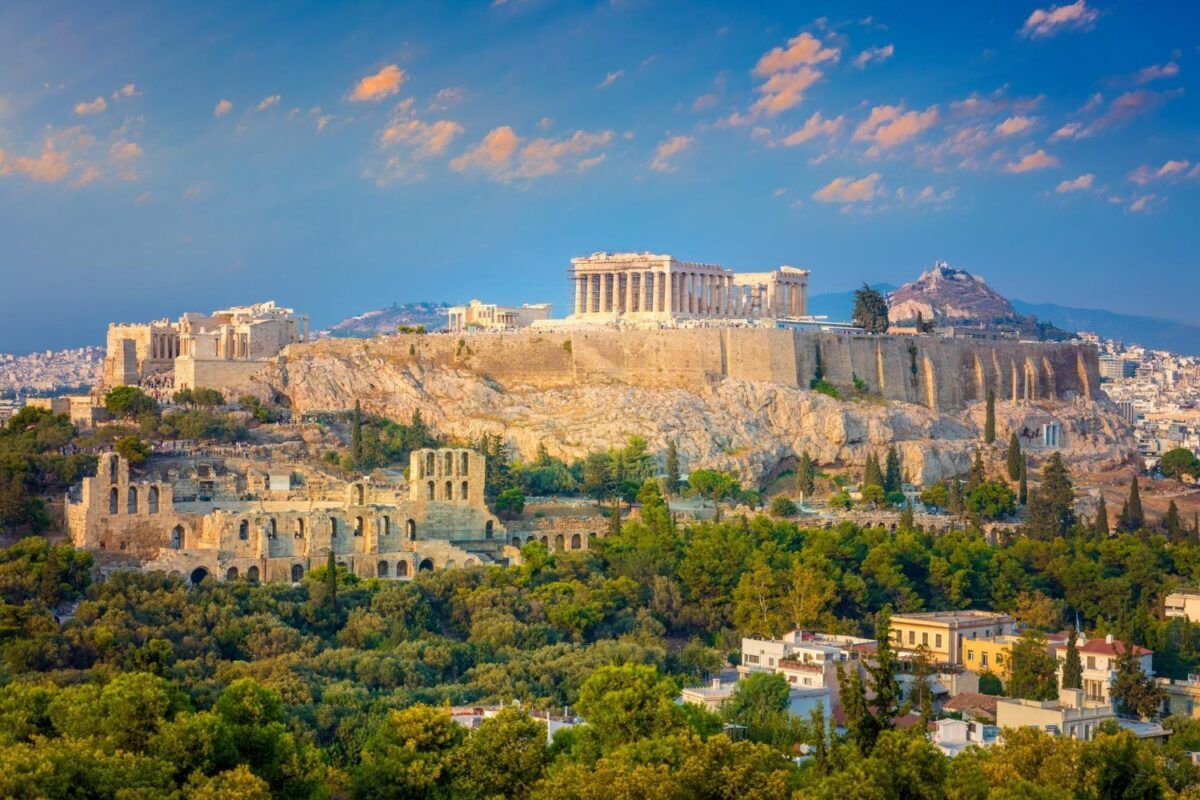
Did you ever stand in the shade of the Parthenon, and felt the weight of three millennia pressing down on your shoulders. It’s lovely definitely, but it’s a little confusing too. A lot of visitors think of Athens like a high school history textbook. They shift through the old Greece chapter, take a photo with a headless statue, and then quickly take a ferry to the island with better cocktails.
However, here is the fact from 2026: the ruins are just a smaller part, the true play happens in the wings. Athens is not just a museum frozen in amber, its a famous, caffeinated, and vibrant metropolis that has been renewing itself since the last few years.
If you really want to learn about Athens, don’t just look at the famous old buildings. Try to spend some time in local places like cafes and places where people live and meet. At this point, you will learn about the true city life.
Finding Your Feet in the Labyrinth
You may feel confused if you are visiting Athens for the first time. There, the streets do not follow a proper pattern, because the city has grown over the last many years. This is the reason the first few hours of visiting are very important. It shows the need of a guide who could tell about the city in simple words, who could describe why the church is hidden between the shops or where you can find good souvlaki at lower cost.
Joining a free tour https://www.freetour.com/athens is the tactical move here. It helps you know about the city in detail and feel confident. Once you know about the history and stories behind the places, you feel the real worth of Athens beside just a combination of old buildings.
Athens Runs on Coffee, Not Time
When you enter Athens, the first thing that captures your attention is not just ruins, it’s coffee cups.
They’re everywhere: balanced on scooter dashboards, carried through crowded intersections, sweating beneath the summer heat in the hands of students, office workers, artists, and pensioners alike. In most cities, coffee is fuel. In Athens, coffee is a culture. The city doesn’t move according to schedules; it moves according to conversations.
Compared to the advanced cafe culture of New York, Athens works on a slower rhythm. Here, if you order one cup of coffee, then prepare to wait for it for 3 hours, it’s completely normal. Nobody rushes you. Nobody silently drops the bill on the table after twenty minutes. The point of coffee here is presence. According to local Athens coffee guides, modern Greek café culture revolves around long social gatherings, outdoor seating, and a deeply ingrained “slow coffee” philosophy.
The Freddo: Athens’ Unofficial National Drink
One of the most famous drinks in Athens is delicious Freddo espresso.
It was introduced in Greece, and includes a cold espresso shaken over ice till it becomes smooth and thick. Freddo cappuccino, adds a thick layer of cold milk that makes it even more effective against a hot day.These drinks are not just staple, people consume these frequently. During summer, every individual takes at least one cup of coffee every day.
Popular Coffee Drinks in Athens
| Coffee Type | Description | Best Time to Drink |
| Freddo Espresso | Iced shaken espresso | Hot afternoons |
| Freddo Cappuccino | Espresso with cold foam | All day |
| Ellinikos Kafes | Traditional Greek coffee | Slow mornings |
| Frappé | Instant iced coffee | Casual beach-style drink |
| Flat White | Popular in specialty cafés | Modern coffee spots |
Even Reddit coffee communities frequently describe Athens as one of Europe’s best modern coffee cities, particularly because of its blend of specialty coffee shops and deeply social café culture.
Traditional Kafeneia vs Third-Wave Cafés
One of the most fascinating things about Athens is that it supports two completely different coffee worlds simultaneously.
Traditional Kafeneia
These old-school cafés are slower, quieter, and deeply tied to Greek social traditions.
You’ll usually find:
- elderly men playing Tavli (Greek backgammon)
- tiny cups of strong Greek coffee
- newspapers spread across marble tables
- conversations about football and politics
- waiters who have known customers for decades
Modern Specialty Cafés
Then there’s the new Athens: minimalist cafés with industrial interiors, natural wine lists, specialty roasts, and baristas discussing espresso extraction like philosophers.
Best Neighborhoods for Coffee Culture in Athens
| Neighborhood | Café Personality |
| Koukaki | Relaxed and stylish |
| Exarchia | Intellectual and rebellious |
| Psiri | Creative and energetic |
| Pangrati | Trendy specialty coffee scene |
| Kolonaki | Elegant and upscale |
| Kypseli | Multicultural and artistic |
Each district feels different. In Exarchia, cafés become political meeting points filled with students debating philosophy over cigarettes and freddos. In Koukaki, the atmosphere softens into quiet elegance beneath orange trees and apartment balconies overflowing with basil plants. Psiri feels louder and more kinetic, where coffee culture seamlessly blends into nightlife.
The Morning Rhythm of Athens
Around 10 AM, Athens develops a very specific atmosphere.
The streets smell like:
- toasted sesame koulouri
- espresso foam
- warm spanakopita
- cigarette smoke
- fresh bread from corner bakeries
Scooters weave through traffic carrying takeaway freddos while café terraces slowly fill beneath the Acropolis. Laundry hangs above narrow streets. Cats sleep in patches of sunlight beside outdoor tables. Even on weekdays, the city rarely feels truly rushed.
And that’s what surprises most visitors.
Athens may look chaotic from the outside — crowded sidewalks, graffiti-covered buildings, endless traffic noise — but socially, the city operates at an entirely different speed. People pause here. They linger. They sit. They watch.
Athens Is Built Around Conversation
The ancient Athenians built agoras and forums for public life. Modern Athenians built cafés instead.
That same instinct for gathering still defines the city in 2026. Coffee in Athens is not simply about caffeine. It’s about slowing down long enough to participate in the rhythm of the city itself.
And eventually, somewhere between your second Freddo cappuccino and your third hour at the same sidewalk table, you stop feeling like a tourist.
You start feeling like you finally understand Athens.
A Neighborhood Cheat Sheet: Where to Actually Go In Athens
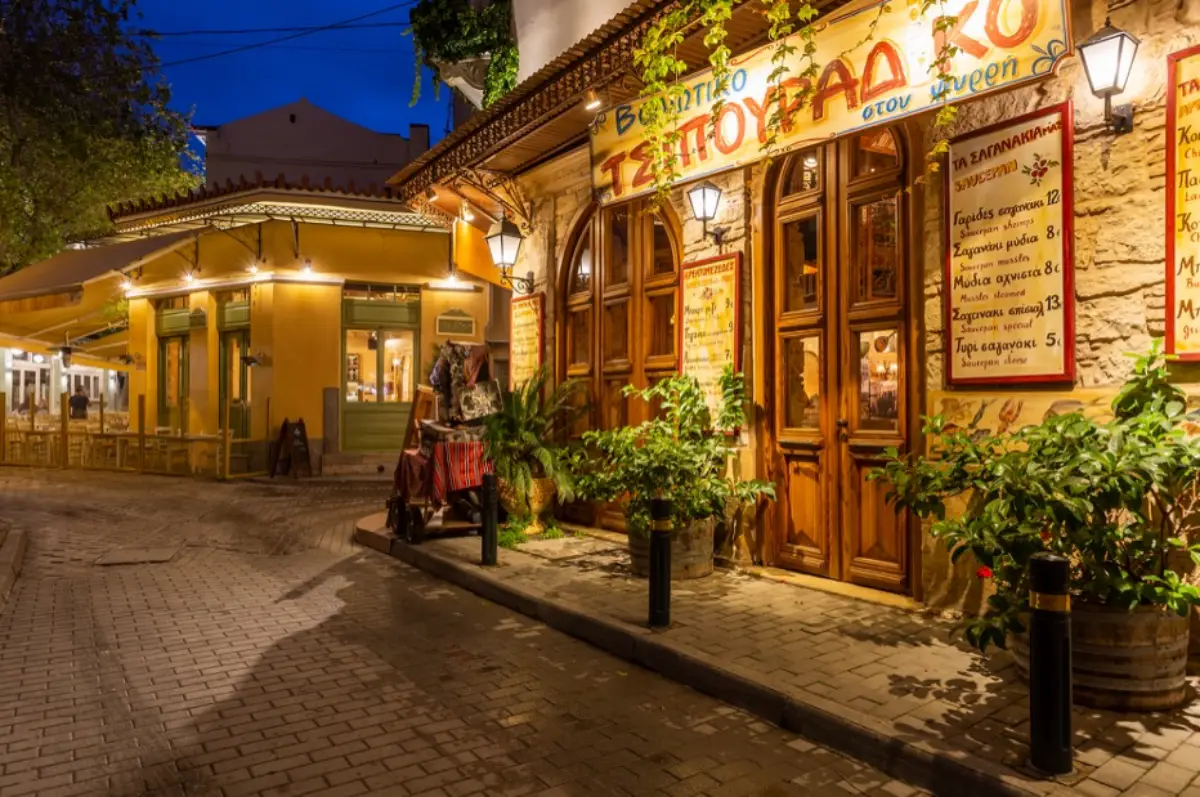
To help you navigate this urban sprawl, here is a breakdown of the neighborhoods that define the city’s current pulse:
- Koukaki: The balanced sibling. Best for cozy wine bars, “new Greek” cuisine, and rubbing elbows with locals who actually live there.
- Petralona: The village in the city. Go here for stone houses, blooming bougainvillea, and a total absence of souvenir shops.
- Psiri: The creative rebel. An explosion of street art, artisan workshops, and late-night meze
- Exarchia: The intellectual heart. Home to independent bookstores, vinyl shops, and a defiant, anti-establishment spirit.
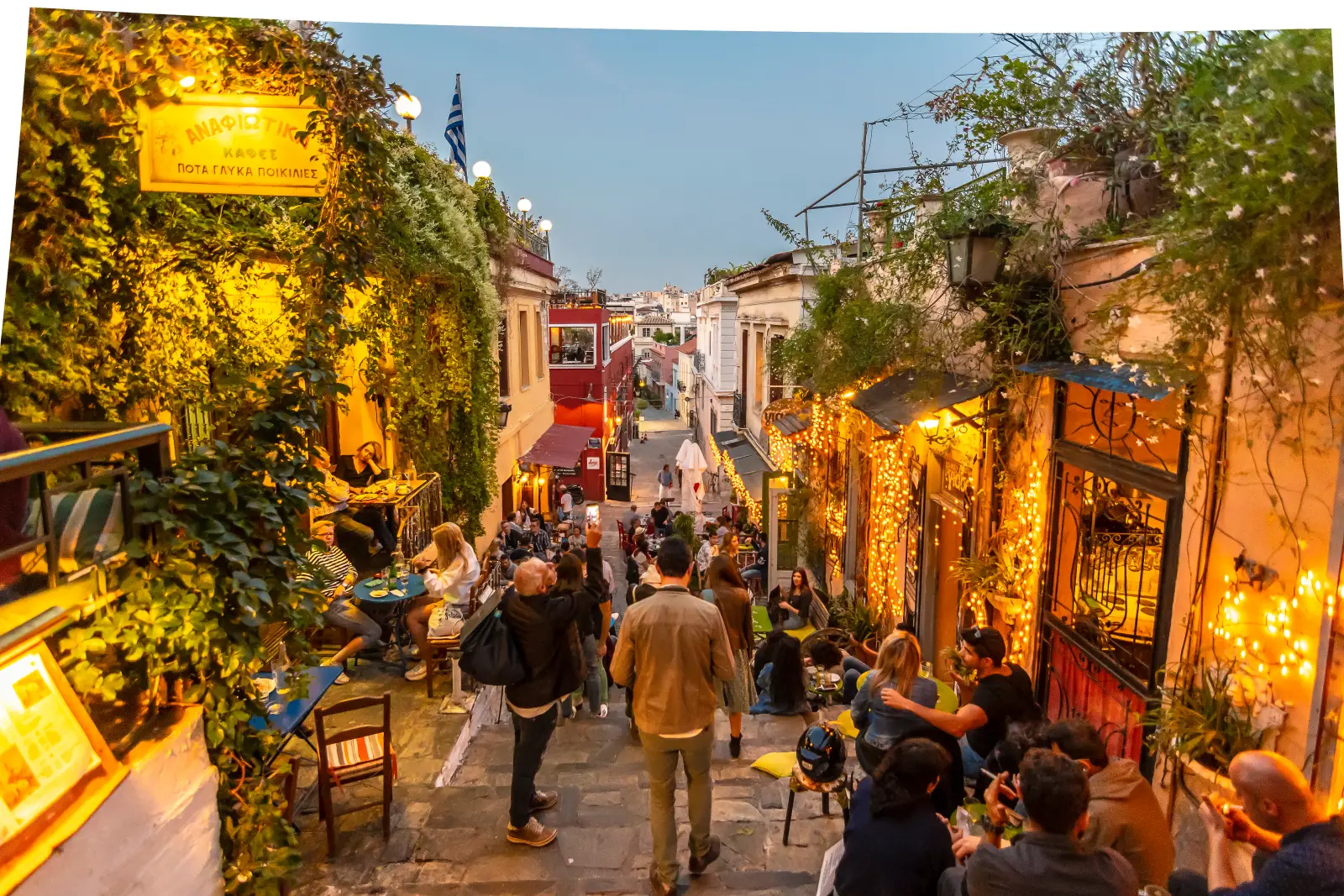
- Anafiotika: The hidden portal. A tiny cluster of white houses that makes you feel like you’ve teleported to the Cyclades.
Koukaki and Petralona
A decade ago, Koukaki was just a quiet residential area. Today, it’s the poster child for Athens’ “lifestyle” revolution. Tucked right under the Acropolis Museum, it manages to be trendy without being obnoxious. It’s a place where you’ll see an elderly man in a flat cap drinking a Greek coffee next to a graphic designer sipping a flat white.
When you are walking in Koukaki, you feel like you are in a village inside the big city. The area combines the old culture with advanced Greek creativity. Petralona is situated close to it, where people often visit to avoid the busy tourist areas of Plaka.
According to the city guide This is Athens, these nearby areas are getting fame as cultural places, because they provide a peaceful and true experience of the city that is focused on the everyday life of citizens instead of just beautiful views. In Lower Petralona, the houses made of stone and vibrant flowers make you feel like you are on a Greek island.
Psiri and Exarchia
If Koukaki shows the beauty and peace of the city, Psiri is lively, bold and energetic. When you walk in the city, you feel various fragrances, beautiful views and engaging sounds. You can smell fresh koulouri bread from old bakeries and incense from small churches at the same time. The area remains vibrant, full of sounds and appealing.
Then comes Exarchia, famous for its political and creative culture. There are various book shops and vinyl shops in the city. Exarchia shows the independent side of Athens and keeps its authenticity instead of just advanced culture.
Kypseli: Multicultural Athens
Kypseli is among the most diverse and unique neighborhoods in Athens. Some time ago, it used to be an average residential place but now it has become most popular for:
- Artists
- Students
- Immigrants
- Remote workers
- Young professionals.
Though it is advanced and modern, it still carries the taste of local culture.
The main street, Fokionos Negri, is a long pedestrian area with many cafes, bakeries, bars, and outdoor sitting places that remain filled the whole day. Compared to the busy areas of Athens, Kypseli feels like normal daily life.
The most common place here is the Kypseli Municipal Market. It was built in the 1930s and has been updated as a cultural place with exhibitions, workshops, and many food points. It shows how old buildings in Athens are being updated for creative activities.
Pangrati: A Stylish Neighborhood
Pangrati is situated on the east of Athens, and is a very famous neighbourhood of central Athens. It is very peaceful and feels relaxed, having a lot of cafes, galleries, book shops, and wine spots. Compared to busy areas like Plaka and Monastiraki, it feels really isolated and peaceful.
The area has many tree-lined streets and small local businesses for the people living here. It is a perfect place for daily life as it is easy to walk around, and has easier access to visit the whole city.
Pangrati is unique because it is balanced, carrying a good combination of style, creativity, fun and peace.
| Neighborhood | Best For | Why It Stands Out in Modern Athens |
| Koukaki | Café culture, slow travel, food lovers | Koukaki represents Athens’ modern lifestyle shift — creative, walkable, and local-focused without becoming overly commercialized. |
| Petralona | Escaping tourist crowds | Unlike heavily visited districts, Petralona still revolves around everyday local life rather than tourism, making it one of the most authentic neighborhoods in Athens. |
| Psiri | Nightlife, street art, live music | Psiri captures the rebellious and creative energy of modern Athens better than almost anywhere else in the city. |
| Exarchia | Alternative culture, bookstores, political history | Exarchia remains one of the few major European neighborhoods resisting heavy commercialization and large-scale gentrification. |
| Kypseli | Local culture, diversity, long stays | Kypseli reflects the multicultural evolution of Athens and has become one of the city’s fastest-growing creative neighborhoods. |
| Pangrati | Cafés, galleries, local lifestyle | The neighborhood balances creativity, residential comfort, and local culture, making it popular with young professionals and long-term residents. |
| Anafiotika | Walking, photography, quiet escapes | Anafiotika offers one of the most unique contrasts in Athens — a peaceful island atmosphere surrounded by an urban capital. |
Athens Isn’t Pretty And That’s The Point
Athens is not one of those European capitals that immediately seduces you with perfection.
It doesn’t have Parisian symmetry or Vienna’s polished elegance. Parts of Athens feel unfinished, almost improvised — a city permanently caught between collapse and reinvention. The sidewalks crack beneath your feet. Apartment blocks wear decades of sun damage like scars. Graffiti climbs across entire buildings, scooters squeeze through impossible gaps in traffic, and the soundtrack of the city is a constant mix of car horns, construction drilling, barking dogs, and human voices echoing off concrete walls. Even locals often describe Athens as chaotic, loud, and exhausting.
And yet, that roughness is exactly what makes the city unforgettable.
Athens never feels curated for tourists. It feels lived in.
The economic crisis left visible marks on the capital. You still see abandoned storefronts beside trendy wine bars, half-finished buildings standing next to elegant neoclassical homes, and neighborhoods balancing between authenticity and gentrification. Here is the contradictions of Athens:
| The Grit | The Beauty |
| Graffiti-covered walls | Ancient ruins glowing at sunset |
| Endless traffic noise | Rooftop views of the Acropolis |
| Cracked sidewalks | Orange trees lining the streets |
| Dense concrete apartments | Hidden neoclassical mansions |
| Political tension | Deep neighborhood culture |
| Summer heat and chaos | Late-night café conversations |
What surprises many visitors is how quickly the ugliness becomes part of the charm.
Because beneath the concrete and disorder, Athens has something many polished cities lost long ago: personality. It’s messy, emotional, imperfect, and deeply human. The city doesn’t hide its flaws behind perfect facades. It wears them openly.
And somehow, that honesty makes Athens feel more alive than cities far more beautiful on paper.
A Modern Renaissance in 2026
Athens in 2026 is riding a wave of renewed confidence. It’s not just about surviving the economic hits of the past; it’s about thriving. We’re seeing massive urban regeneration projects, like the transformation of the old gasworks into Technopolis in Gazi, which now serves as a multicultural hub. Even the luxury sector is leaning into the “living city” vibe, with the recent opening of “The Ilisian” cultural district, blending high-end hospitality with local art spaces.
The numbers back this up, too. Data from INSETE, the research arm of the Greek Tourism Confederation, shows that visitors are increasingly staying longer in the capital, drawn by the “experience-driven” hospitality that defines modern Athens.
What makes Athens especially exciting right now is the balance it has finally achieved between heritage and innovation. Here’s why Athens feels different in 2026:
- Longer visitor stays are boosting neighborhood tourism beyond the typical historic center.
- Creative districts like Gazi and Exarchia are attracting artists, entrepreneurs, and food lovers.
- Boutique hospitality is replacing generic tourism with personalized local experiences.
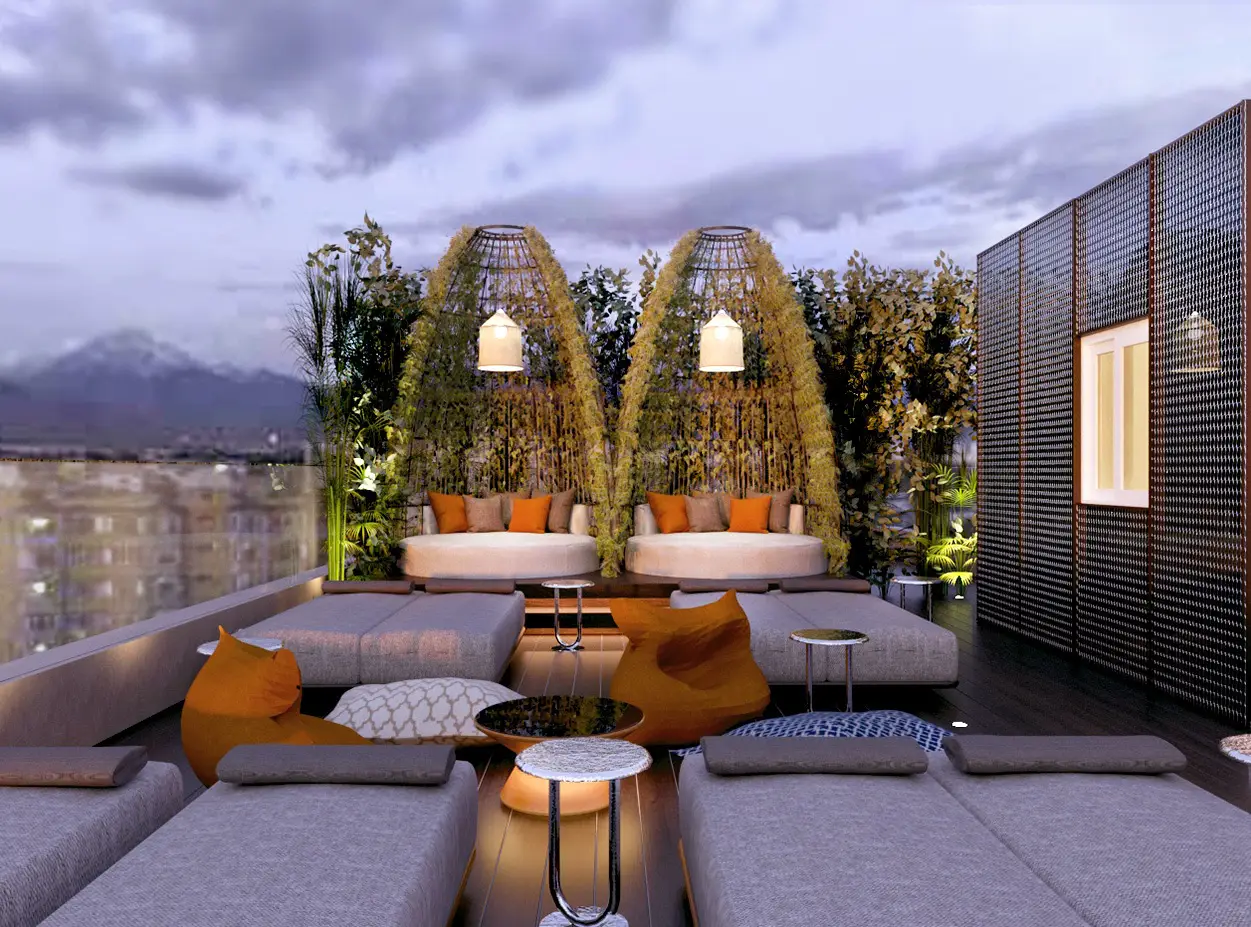
- Athens’ nightlife scene now rivals many major European capitals, especially for cocktails and rooftop venues.
- Remote-work culture has increased demand for co-working spaces, stylish apartments, and café culture.
There’s also a growing emphasis on sustainability and walkability. New pedestrian-friendly areas, upgraded public transport links, and revitalized public squares are making Athens easier and more enjoyable to explore slowly.
Walking the “Great Promenade”
One of the best things the city did for walkers was the unification of archaeological sites. This created a massive, pedestrianized “Great Promenade” that loops around the Acropolis. It’s one of the most beautiful walks in the world. As you walk from the Arch of Hadrian toward the hill of Philopappou, the city unfolds in panoramic detail.
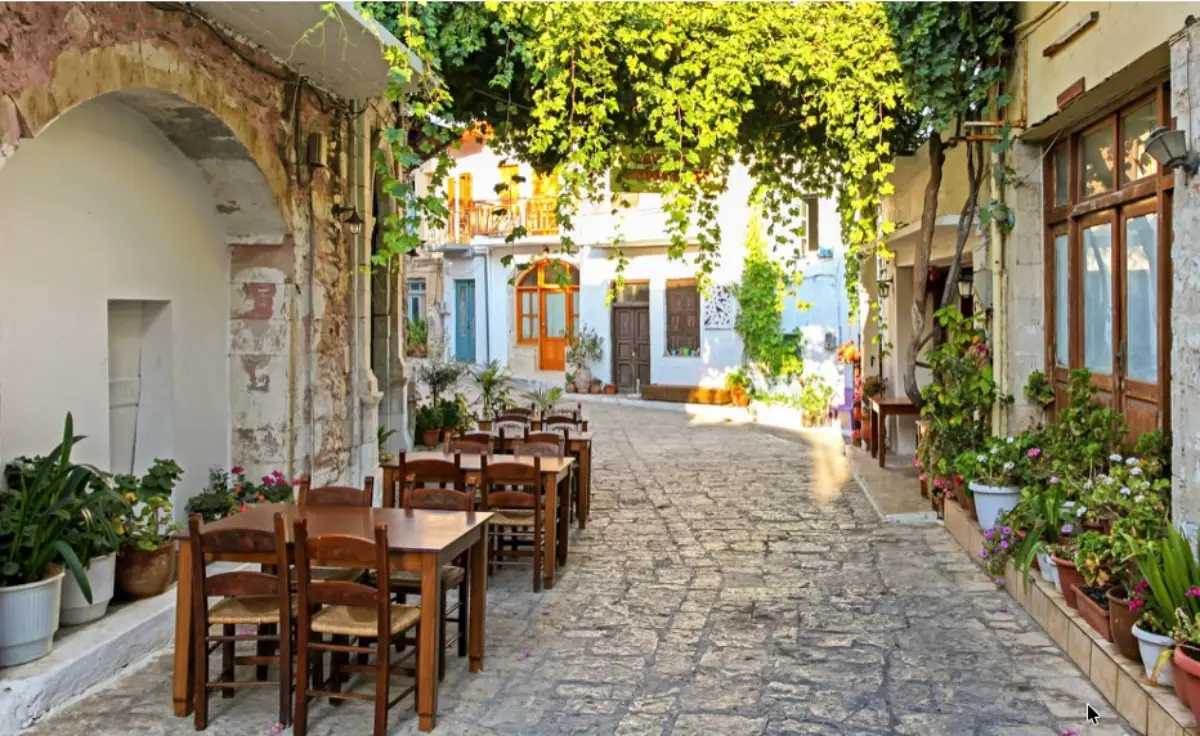
But don’t just stay on the main path. Duck into Anafiotika, the tiny cluster of whitewashed houses perched on the northeast slope of the Acropolis. Built by workers from the island of Anafi in the 19th century, it is a literal hidden gem. There are no signs, no shops, and no cars — just narrow stairs, sleeping cats, and the feeling that you’ve stepped through a portal.
Final Thoughts
Athens is not a polished city, and that’s exactly what makes it memorable. Beyond the Acropolis and ancient ruins, the Greek capital reveals itself through neighborhood cafés, late-night conversations, street art, crowded terraces, and the everyday rhythm of local life.
From the creative energy of Psiri and Exarchia to the quieter charm of Pangrati and Petralona, modern Athens feels lived in rather than curated for tourists. It’s chaotic, imperfect, and deeply human.
Photo Credit: Nejdet Duzen / Shutterstock.com