Transport and public services across Greece were disrupted on October 1 as workers staged a 24-hour nationwide strike against government plans to introduce a 13-hour workday.
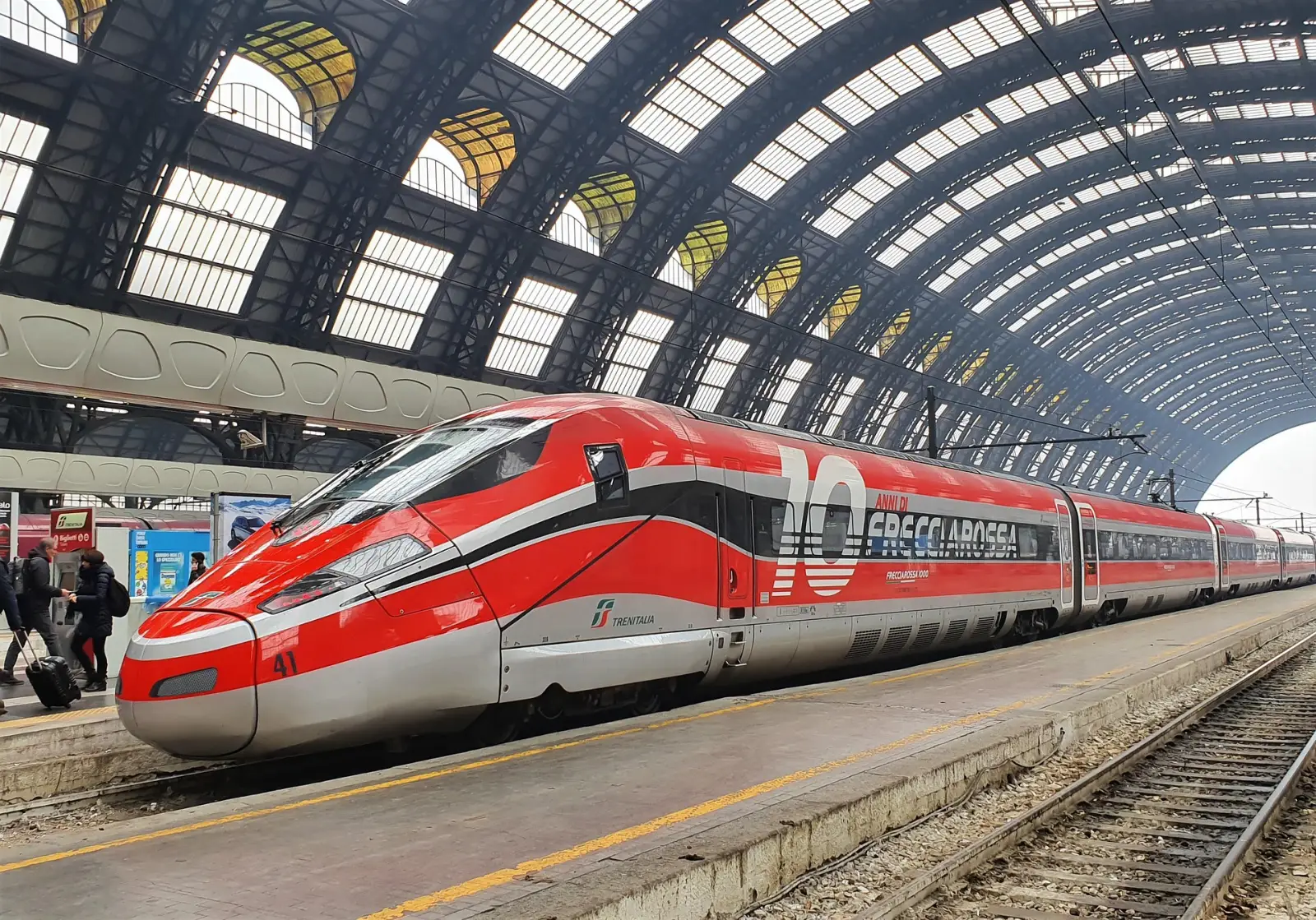
The strike, which began at midnight, halted ferries, trains, and taxis, while buses, metro services, and trams in Athens operated on reduced schedules.
The walkout was organized by both public and private sector unions, who argue that the labor reforms would erode protections and extend daily working hours. The strike was accompanied by large-scale demonstrations in Athens and other cities, with thousands of people marching through the capital’s streets.
Scope and Impact of the Strike
Unions representing teachers, municipal employees, hospital staff, and court workers joined transport workers in the general strike. Public schools and courts were closed, and services at hospitals were limited to emergency operations only. Municipal offices also remained shut throughout the day.
In Athens, buses were scheduled to run only between 9 a.m. and 9 p.m., while metro and tram lines were limited to service between 9 a.m. and 5 p.m., according to transport authorities. The Panhellenic Railway Federation also confirmed its participation, halting intercity and suburban train services. Ferry operators suspended sailings to and from the islands, leaving travelers stranded at ports.
Protests in the Capital
Two major rallies were held in Athens, with union members and supporters converging in the city center. Demonstrators carried banners and chanted slogans opposing the labor bill, which they claim would increase exploitation and weaken employee rights. Marches were also organized in Thessaloniki and other regional cities.
The General Confederation of Greek Workers, one of the country’s largest union bodies, led the call for participation. Union leaders argued that the reforms undermine collective bargaining and normalize excessively long working hours.
The labor reform plan under debate would allow employees to work up to 13 hours per day under certain conditions, provided that the weekly limit of 48 hours is not exceeded. It would also set an annual cap of 150 hours for overtime. Government officials maintain that the proposal aligns with European Union standards and is intended to increase labor market flexibility.
Unions, however, contend that the legislation will worsen job insecurity and erode protections that have been in place for decades. Labor groups have vowed to continue their opposition, warning of further strikes if the bill advances in parliament.
Effect on Travelers
The strike created significant travel disruptions across the country. Passengers faced delays at airports as ground transport to and from terminals was severely reduced. Airlines including Aegean and Olympic offered flexible rebooking policies and travel vouchers to affected passengers.
Ferry cancellations left many island travelers unable to reach their destinations, with ports in Piraeus and Rafina crowded with stranded passengers. Tourists in Athens also reported difficulties moving across the city as metro and tram services were restricted to limited hours.
The 24-hour strike has underscored the extent of public opposition to the proposed labor reforms. While services are expected to resume gradually after the strike’s conclusion, unions have warned that further industrial action could follow if the government does not withdraw or amend the bill.
The labor unrest comes at a time when Greece is experiencing strong tourism demand, making transport stability critical for the sector. With union leaders and the government at an impasse, travelers planning visits to Greece in the coming weeks may face further uncertainty as the debate over working hours continues.
Photo Credit: Aerial-motion / Shutterstock.com