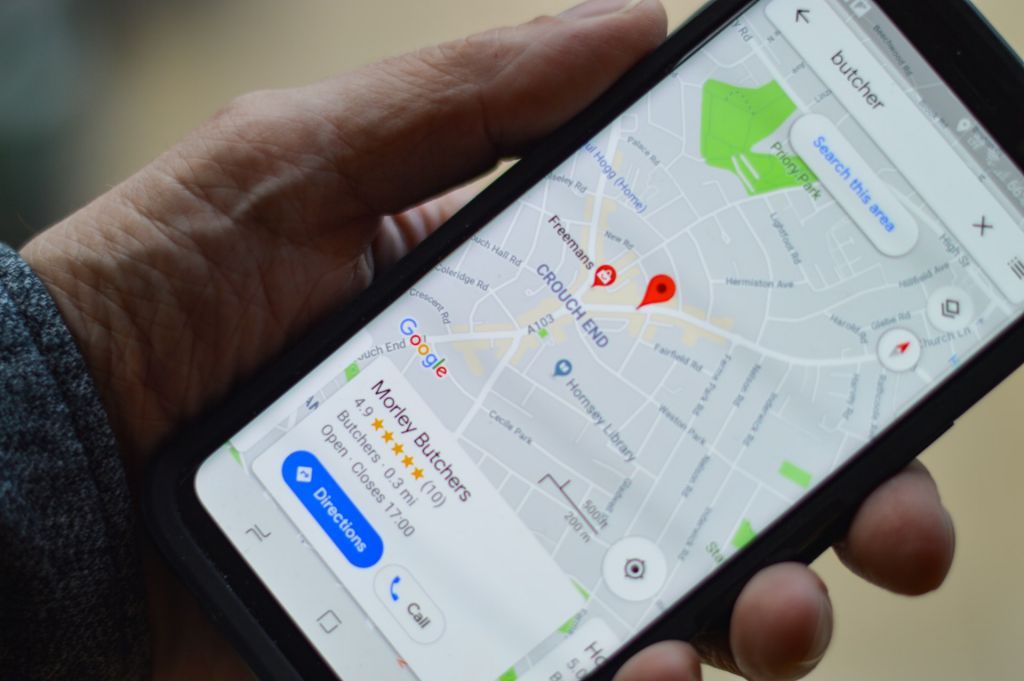
Google Maps is expanding its role as a travel planning tool with a range of features designed to help holidaymakers navigate trips more easily, from offline maps and public transport routes to AI-powered recommendations and live location sharing.
The travel-focused tools allow users to download maps for offline use, check busy times at attractions, save parking locations and search for nearby fuel stations during road trips. The app also supports AI-based searches for personalised recommendations such as quiet cafés, family-friendly restaurants and indoor attractions for rainy days.
Google has continued adding travel and navigation features to Maps as competition grows among digital travel planning platforms and AI-powered assistants. The company has increasingly positioned Maps as a broader trip companion rather than only a navigation app.
One of the most useful tools for international travellers remains offline navigation. Users can save maps directly to their phones before travelling and continue using turn-by-turn navigation without a mobile data connection, which can be especially useful outside Europe or in remote destinations with weak signal coverage.
Travellers can access the feature by tapping their profile picture in the app and selecting “Offline maps” from the main menu. They can then download a selected destination area before departure.
Real-time location sharing is also becoming more popular on group holidays. The feature allows travellers to share their live position with friends or family members, making it easier to reconnect in crowded destinations or unfamiliar cities.
Google Maps also supports public transport journey planning, allowing users to compare bus and rail routes without needing separate local transport apps. After selecting a destination, users can tap “Route” and choose the train icon to see available transport connections, stations and estimated travel times.
For visitors heading to busy tourist attractions, the app displays “busy times” information for many locations. The feature helps travellers avoid long queues and peak visiting hours by showing when places are typically most crowded.
Street View continues to play an important role for travellers arriving in unfamiliar areas. The 360-degree imagery can help users identify hotel entrances, apartment buildings or nearby landmarks before arriving in person.
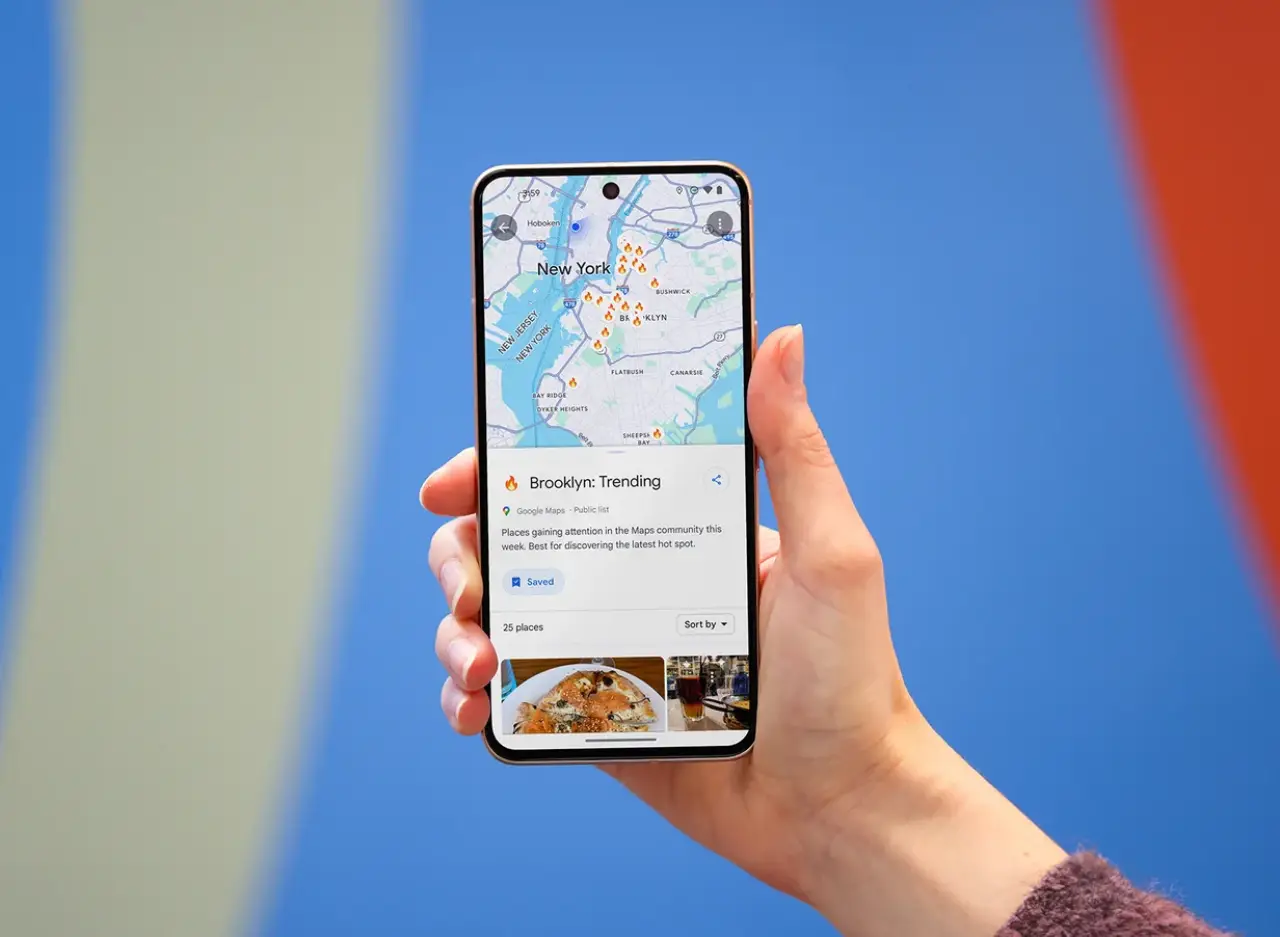
Saved lists are another widely used travel feature. Travellers can save restaurants, attractions or hotels into customised lists for different trips, helping them organise itineraries and quickly revisit locations during their journey.
Drivers can also use Maps to remember where they parked. By tapping the blue location dot and selecting “Save parking”, users can mark the vehicle’s position with a parking icon on the map.
For road trips, Google Maps allows drivers to search for fuel stations directly within navigation mode without leaving the route guidance screen. Similar tools are also available for restaurants, supermarkets and rest stops.
Google has recently expanded AI-powered search features across Maps, including recommendation tools that can suggest attractions, restaurants and activities based on natural-language searches. The company said the updates are part of wider efforts to improve trip planning and discovery within the app.
The latest travel tools reflect how navigation apps are evolving into broader digital travel assistants. For many holidaymakers, that means less time spent searching for information and more time focused on the journey itself.