Travellers are spending longer in Italy’s small towns and inland areas this summer, as pressure on big cities and the effects of overtourism push visitors towards quieter destinations. New research says stays in the country’s villages have grown by 46%, while spending per booking has risen by 74%.
The findings come from Ruralis and the Rome Business School, which analysed more than 7,300 bookings for the report Italia oltre l’overtourism. The report says the average stay in small Italian villages increased from 2.35 days to 3.44 days, while average spending rose from 269 euro to more than 469 euro.
The shift marks a change from short breaks to longer, more deliberate trips. The report says visitors are not just using these places as a stopover, but are choosing accommodation more carefully, eating in local restaurants, buying from small producers and helping reuse existing housing stock.
That, in turn, is supporting local economies and helping fight depopulation in inland areas. The report also points to wider travel trends, including higher airfares, route changes and a strong last-minute booking pattern, with more than four in 10 Europeans booking in the final 30 days before departure.
Venice has already renewed its access fee for visitors for the third year in a row, underlining the pressure on major tourist cities. As a result, small towns and inland communities are becoming more attractive to travellers looking for slower rhythms, open spaces and a stronger link with local identity.
The trend is especially visible in several parts of southern and central Italy. Molise tops the list for growth in occupancy and bookings, followed by Basilicata, Sicily, Emilia-Romagna and Abruzzo.
On the coast, Scalea in Calabria has also recorded stronger demand, with August occupancy already at 32%, up from 28% the previous season. July occupancy has reached 22%, suggesting the season is gaining momentum outside the usual mass-tourism hubs.
The report says this redistribution of visitors is creating new jobs and encouraging new forms of dispersed accommodation. But it also warns that the trend will require better infrastructure and sustainable management to last, while protecting local identity and avoiding gentrification.
Travel to Italy’s small towns has therefore become more than a short summer escape. The data suggest it is becoming a broader economic model, one that is reshaping where visitors go, how long they stay, and how much they spend.
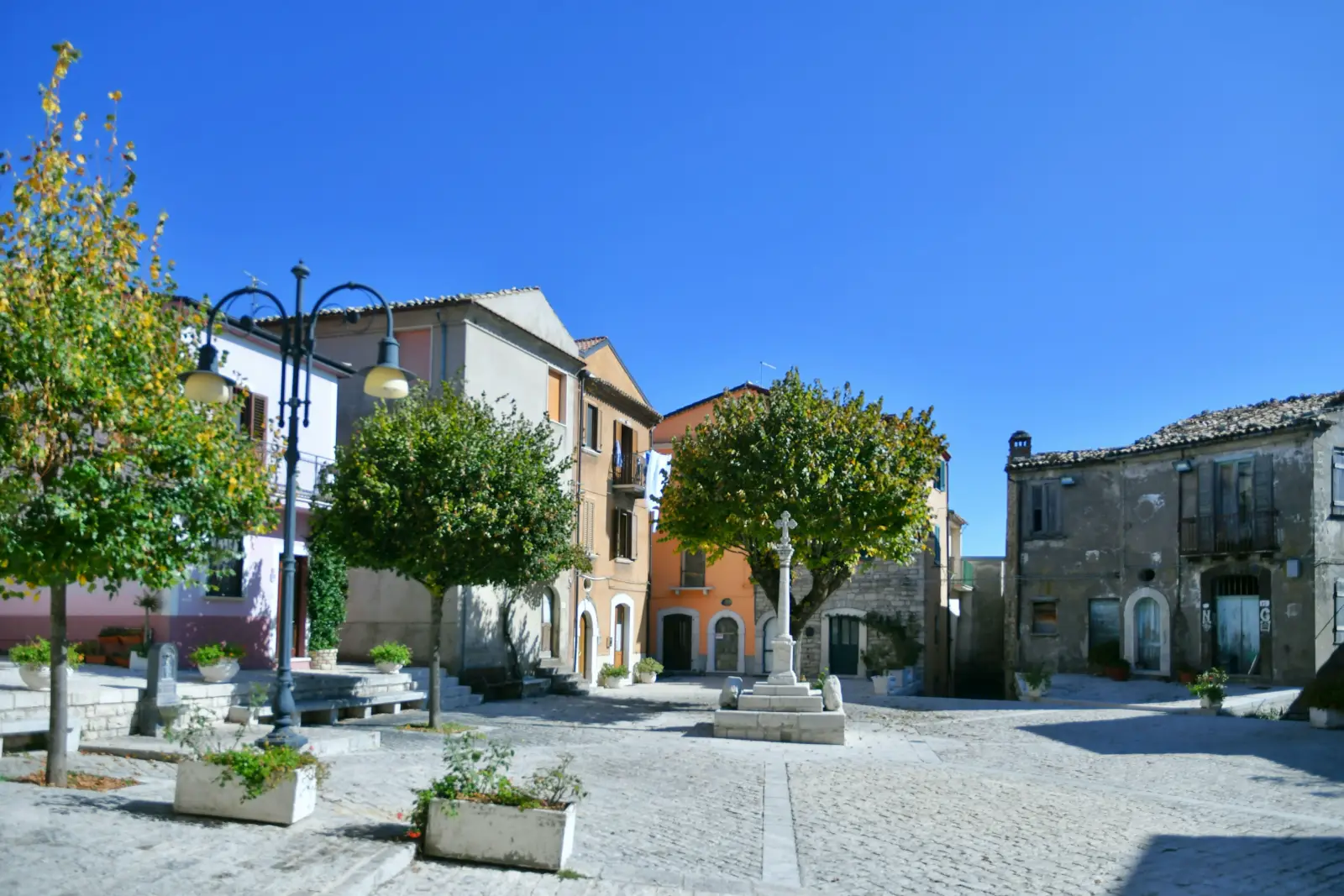
The top photo shows: A peaceful square in the medieval village of Frosolone, showcasing the traditional architecture and quiet charm of Italy’s Molise region. Photo Credit: Wirestock Creators / Shutterstock.com