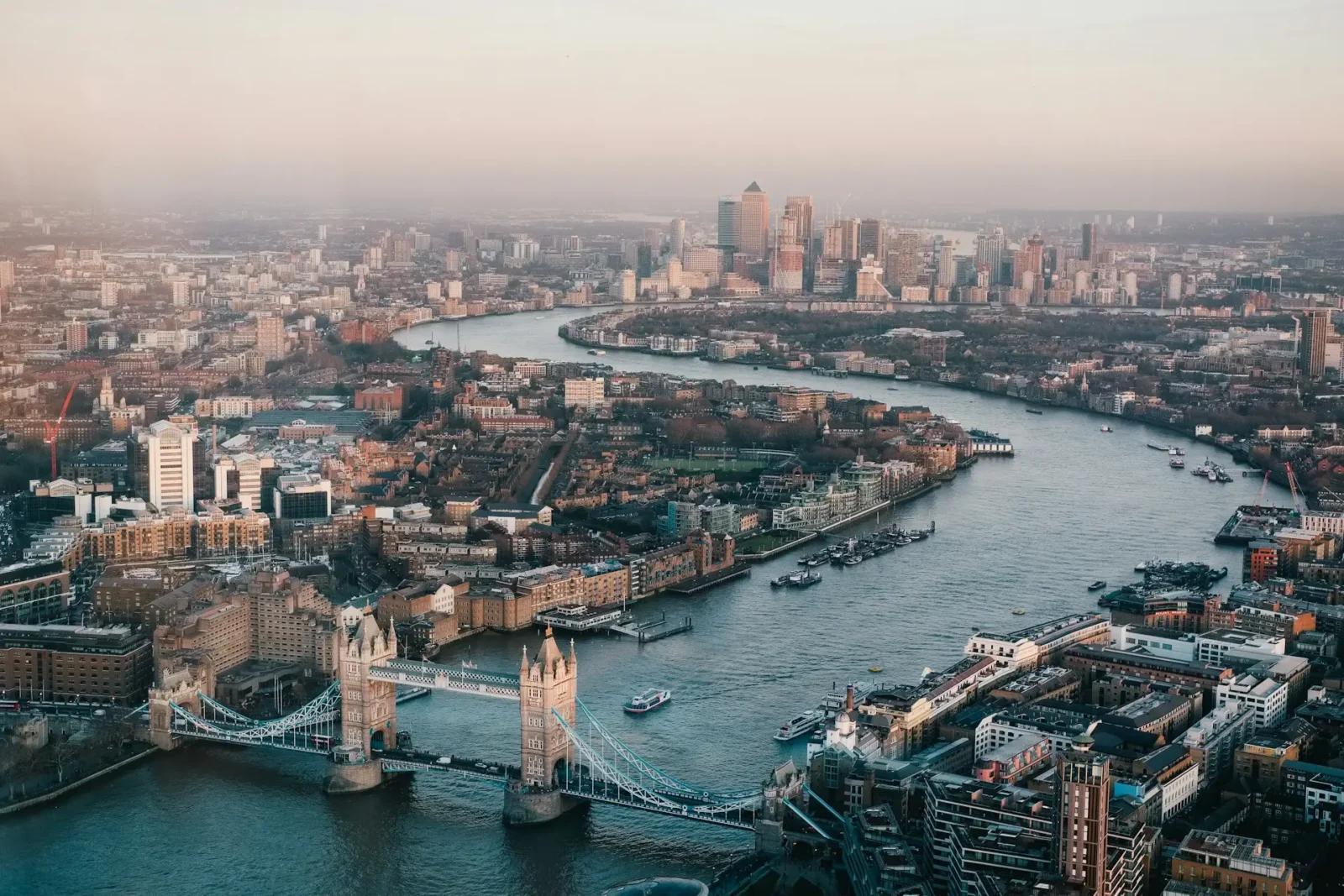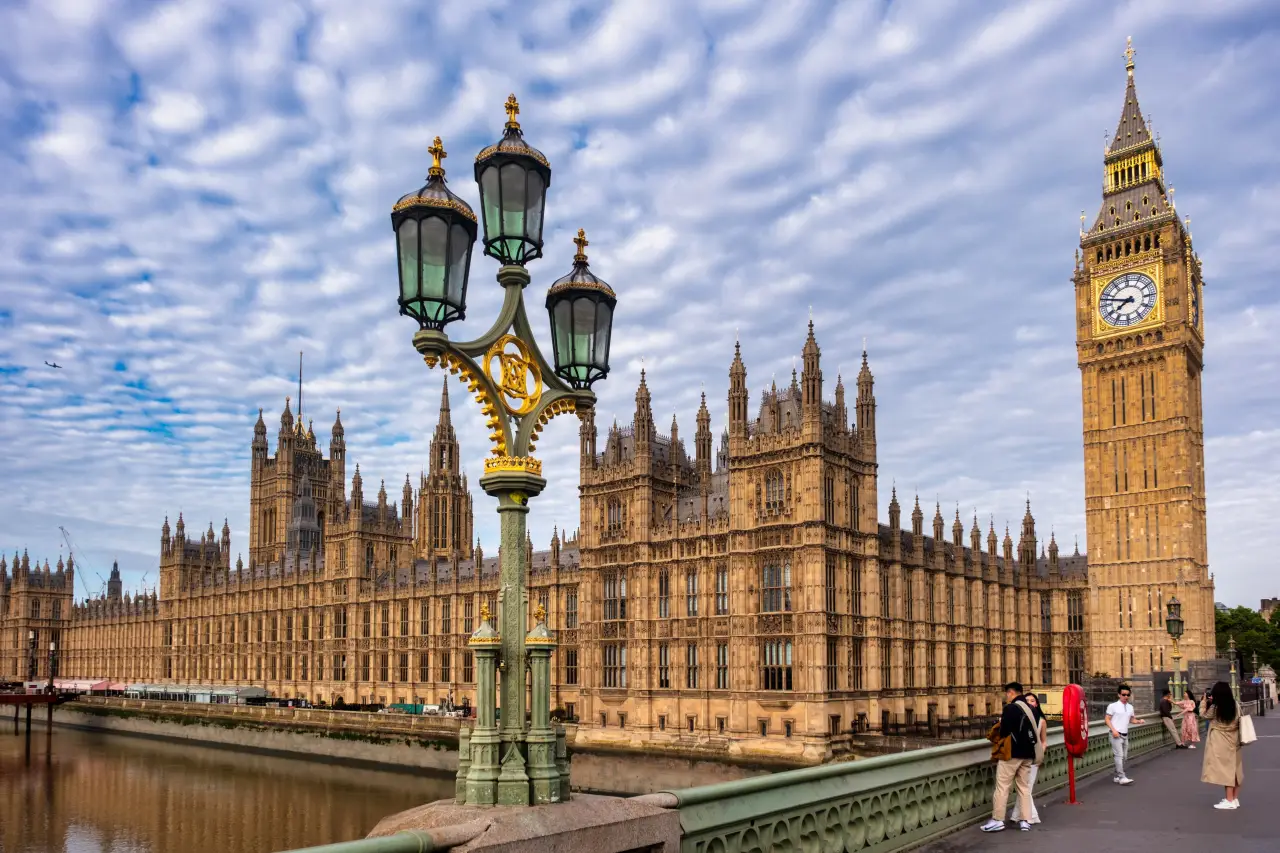
London authorities are weighing the introduction of a tourist tax for overnight visitors, a proposal gaining momentum as national lawmakers advance measures that would allow the capital to adopt such a levy. The idea, long discussed among local councils and economic advisors, has returned to public attention amid broader plans to expand fiscal powers for city leaders.
The consideration comes as London continues to face high visitor volumes, ongoing pressure on public services, and calls for diversified revenue sources to support infrastructure and tourism-related costs. The Mayor of London, Sadiq Khan, has indicated support for a modest charge on overnight stays, aligning with practices already in place in many major international destinations.
Details of the emerging proposal
The potential levy would apply to hotels, short-term rentals, and other forms of paid accommodation. While no final rate has been set, models under review include either a flat nightly fee or a percentage of the accommodation cost. Economic assessments commissioned by the city suggest London could raise significant annual revenue through a charge proportionate to those used in comparable global cities.
Officials note that London remains one of the few major urban destinations without an overnight visitor tax, despite recording tens of millions of overnight stays annually. Supporters of the measure argue that the city’s tourism infrastructure—transport, sanitation, public safety, and cultural services—bears increasing costs that are not fully offset by existing revenue channels.
A spokesperson for the Mayor’s office said the mayor “has been clear that a modest tourist levy, similar to other international cities, would boost our economy, deliver growth and help cement London’s reputation as a global tourism and business destination.” The office emphasises that any final design would depend on government approval and formal legislative authority.
Support and opposition across the sector
Local councils in high-footfall areas have expressed support for the idea, noting that the influx of visitors places particular strain on services funded by residents. Some leaders have argued that a levy could help address the imbalance between daytime visitor loads and night-time population levels, especially in central boroughs.
However, the hospitality industry has voiced strong concerns. Industry representatives warn the measure could raise costs for visitors, reduce competitiveness, and pressure businesses already contending with higher operational expenses. One sector leader described the levy as “a tax on top of a tax,” cautioning that it could harm the city’s job market and visitor appeal.
Despite diverging views, analysts note that cities with comparable tax structures rarely experience significant declines in visitor numbers, particularly where demand remains strong. Proponents argue that London’s global draw would remain intact with a modest fee.
Timing for any final decision remains uncertain. The national legislation enabling the levy is still progressing, and city officials have not set an implementation date. If approved, the measure would align London with cities such as Paris, New York, and Tokyo, all of which impose charges on overnight stays.
The debate reflects broader discussions about how London funds its infrastructure and maintains its status as a leading tourism destination. As the city awaits legislative clarity, discussions continue on how to balance fiscal responsibility, visitor experience, and long-term economic resilience.