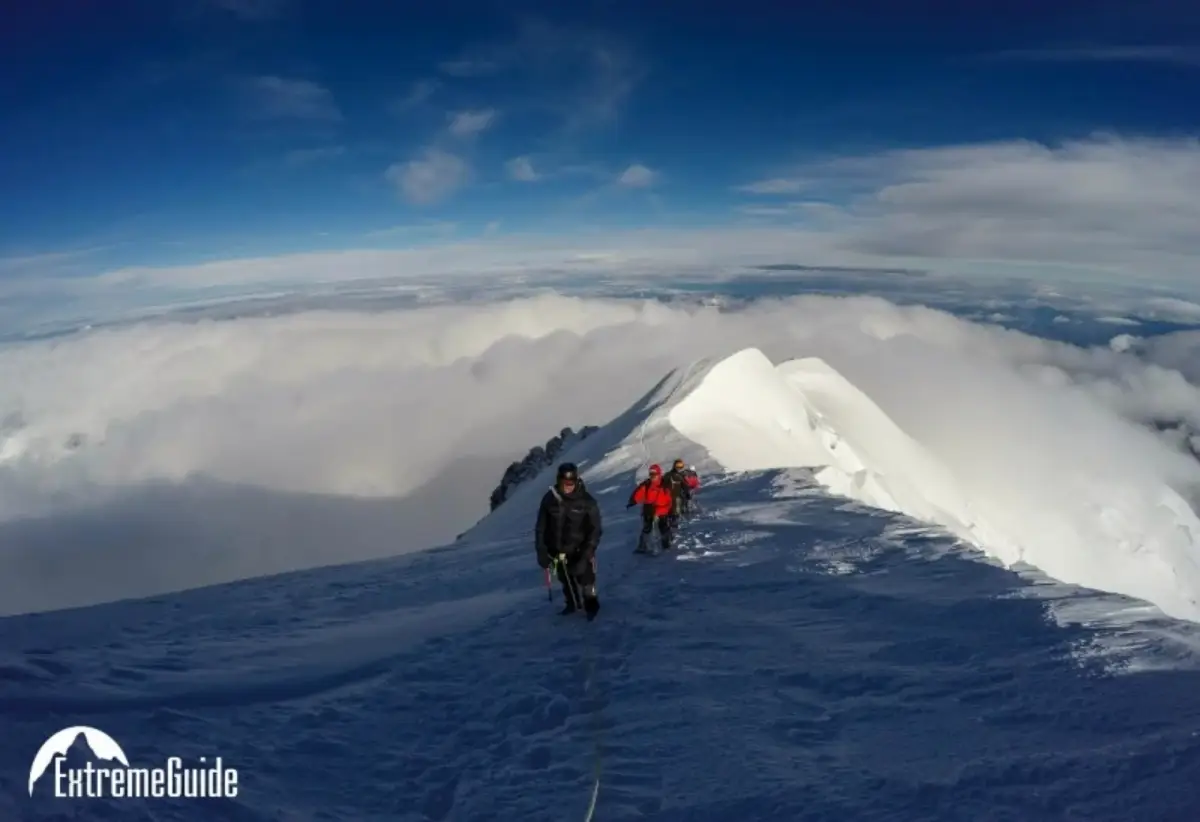
The idea of standing atop the highest peak in Western Europe often feels like a distant dream reserved for seasoned alpinists. Many aspiring adventurers wonder whether a Mont Blanc climb is even worth considering without a background in ice axes and crevasses. The short answer is yes, but with crucial caveats. While this majestic mountain demands respect and preparation, a complete novice isn’t automatically disqualified. The key lies in understanding what you’re signing up for, choosing the right support system, and being honest about your physical limits. Let’s cut through the myths and examine what it actually takes for a beginner to tackle this iconic summit.
What level of preparation is required to climb Mont Blanc
Let’s address the elephant in the room: no, you don’t need to have a decade of Himalayan expeditions behind you. That said, showing up straight from the couch isn’t an option either. A newcomer can absolutely attempt this ascent, but only alongside an experienced guide and a carefully tailored program. The mountain doesn’t care about your ego or social media ambitions—it cares about your endurance, ability to follow safety protocols, and resilience at altitude. According to detailed resources on Mont Blanc expeditions, the foundation is solid physical conditioning rather than technical wizardry.
Before diving into specifics, consider what a reasonable preparation looks like for someone new to high-altitude terrain. You’ll need to focus on several interconnected areas. A well-structured approach typically includes these components:
- Aerobic endurance: regular trail running, cycling, or uphill hiking for 3-5 hours continuously
- Leg strength: weighted step-ups, lunges, and squats to handle sustained steep slopes
- Altitude familiarity: sleeping at 3000m+ or using simulated altitude training if possible
- Basic glacier knowledge: learning how to walk with crampons and use an ice axe
Many first-timers underestimate how much cumulative fatigue affects decision-making above 4000 meters. The good news is that programs like the 3-day Blitz climb are designed precisely for those with limited alpine history. They compress essential acclimatization and skill-building into a tight but manageable window. Without such structured support, a beginner would face overwhelming risks—from hidden crevasses to rapid weather shifts. With it, the objective becomes challenging yet achievable. Your preparation isn’t about becoming a mountaineering expert overnight; it’s about arriving fit, focused, and ready to follow guidance precisely.
How to prepare for your first alpine ascent
Stepping into alpine territory for the first time feels like learning a new language while running a marathon. The preparation splits neatly into two domains: physical training and gear familiarity. For the body, focus on long, steep hikes with a 10-15 kg backpack. The Mont Blanc du Tacul route, reaching 4248 meters, serves as an excellent preparatory objective because it shares similar terrain characteristics but with lower overall demands. Many aspiring climbers first tackle this peak to test their systems before committing to the main event.
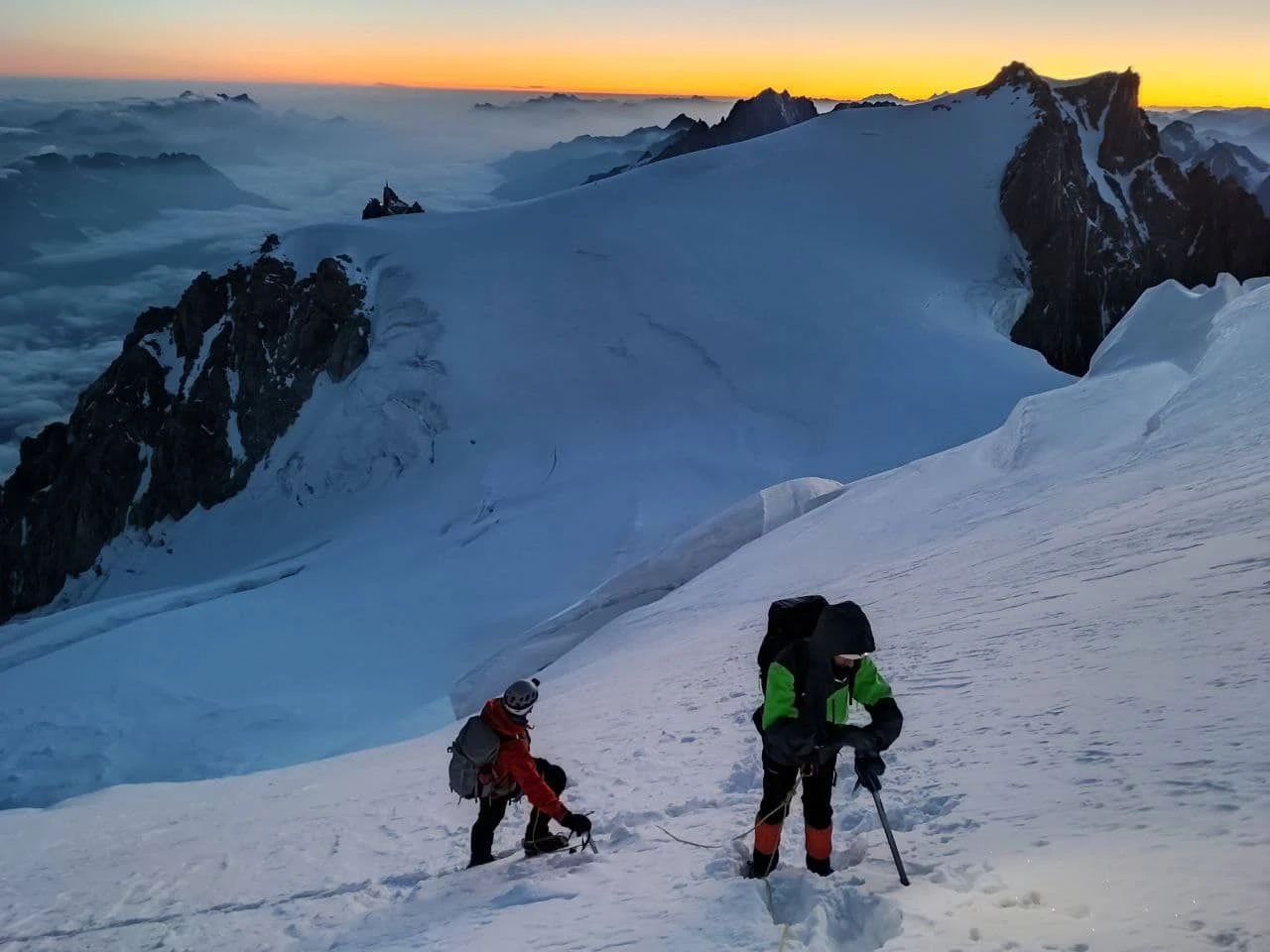
Beyond raw fitness, smart preparation involves understanding the mountain’s rhythm. Here’s what a realistic 8-12 week buildup should include according to experienced guides:
- Weekly back-to-back hiking days simulating consecutive summit pushes
- Night hikes to adjust to alpine starts (typically 1-2 AM wakeups)
- Rope team drills on local glaciers or during introductory courses
- Practicing efficient layering and hydration strategies in cold wind
One often overlooked aspect is mental rehearsal. Picture yourself moving slowly at dawn, feeling the burn in your calves, hearing only your breathing and crunching snow. The Introduction to Mountaineering course on Mont Blanc du Tacul specifically builds this psychological resilience. It’s not about conquering fear but learning to function alongside it. Also, don’t neglect footwear break-in periods—new boots cause more failed attempts than lack of strength. Use every weekend for loaded hikes, practice walking on moderate snow slopes if available, and study basic self-arrest positions from videos. When your body moves automatically during a slip, you’ve crossed from novice to prepared beginner.
The role of a guide when climbing Mont Blanc
Think of a mountain guide not as a luxury but as your insurance policy against the unknown. On Mont Blanc, the guide’s role transcends simply pointing the way. They manage rope team dynamics, continuously assess snow stability, and make real-time decisions about turnaround times. For someone without experience, a guide transforms a potentially hazardous undertaking into a calculated challenge. The detailed tour descriptions emphasize that guides handle navigation, crevasses rescue setups, and oxygen-level monitoring—tasks that would overwhelm any newcomer attempting to learn them simultaneously.
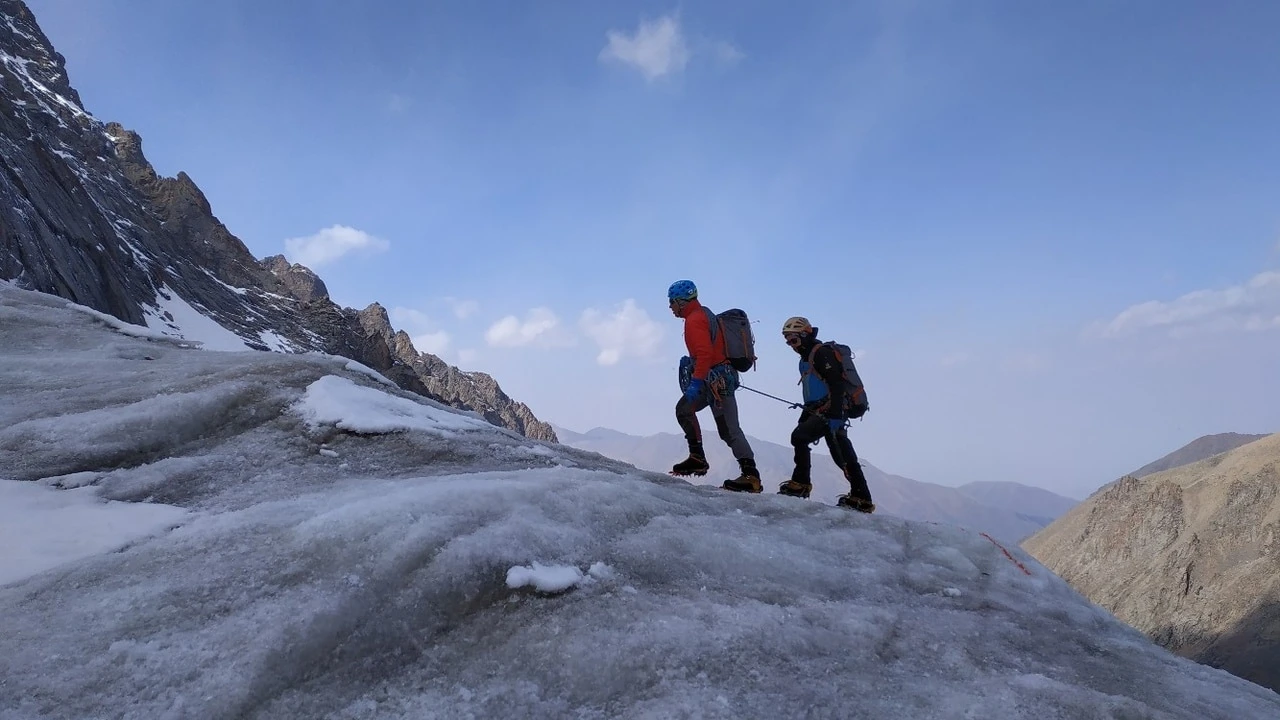
What does this collaboration actually look like on the mountain? A typical guided program includes several critical functions. The guide’s presence fundamentally alters the risk equation:
- Route selection adapted to current weather and snow conditions
- Pacing regulation to prevent altitude sickness before symptoms appear
- Technical oversight for crossing fixed ropes and ladders
- Emergency response capability including crevasse extraction
Beyond technical skills, guides provide something less tangible but equally vital: confidence calibration. They know when to push and when to retreat. According to the top 5 peaks for beginners overview, proper guidance reduces injury rates dramatically while increasing summit success. The guide also handles logistics—mountain hut reservations, lift tickets, and timing coordination—so you can focus entirely on moving efficiently. During a Mont Blanc climb with a professional, your job is to listen, breathe, and put one foot in front of the other. Their job is everything else. This partnership works beautifully when respect flows both ways. You bring determination and fitness; they bring survival skills and local knowledge. Together, a complete beginner becomes part of a functional team capable of reaching 4810 meters.