If you’re planning a cultural journey through Central America, Guatemala should be at the top of your list.
With its blend of ancient Mayan roots, vibrant modern communities, and stunning natural beauty, this often-overlooked country offers a deeper, more immersive experience than many of its neighbours.
From the Pacific coast to the western highlands, Guatemala’s regions are as diverse as its people.
Whether you’re here for 30 days, 90 days, or just passing through, the country’s colourful traditions, vibrant markets, and jaw-dropping landscapes will stay with you long after you leave.
Enter Guatemala: A Country of Living Culture
To enter Guatemala, most visitors will fly into Guatemala City, the bustling capital and commercial heart of the nation.
While many travellers skip straight to colonial towns like Antigua, Guatemala City offers rich museums, buzzing food scenes, and insight into the country’s political and cultural contrasts.
Despite past challenges, decades of civil war, instability, and issues like drug trafficking, Guatemala has emerged as a vibrant, safe, and deeply cultural destination for those willing to explore beyond the surface.
With backing from international bodies such as the United Nations, community-led initiatives are helping preserve heritage while boosting tourism and local economies.
Music, Mayan Traditions, and Local Festivals
Guatemala is part of Central America but stands apart in its strong indigenous identity.
Nearly half the population is of Mayan descent, and dozens of Mayan languages are still spoken across the country.
Traditional marimba music can be heard drifting through towns and markets, particularly in the western highlands.
Festivals are a sensory explosion, masks, firecrackers, and centuries-old dances that blend pre-Hispanic spirituality with colonial Catholicism.
In towns like Chichicastenango and Cobán, you’ll witness cultural practices that are vibrant, proud, and entirely their own.
Hiring a local guide is the best way to navigate these events with respect and insight.
Antigua Guatemala and Lake Atitlán: Cultural Hubs
No cultural trip is complete without a few days in Antigua, the country’s former capital and a UNESCO World Heritage site.
With its pastel facades, cobbled streets, and baroque ruins, Antigua is the poster child for Guatemalan charm.
It’s also home to lively craft markets, chocolate museums, and artisan workshops.
Next, head west to Lake Atitlán, surrounded by volcanoes and indigenous villages, each with their own unique traditions.
In San Juan la Laguna, for example, women’s weaving cooperatives offer workshops in traditional backstrap loom techniques.
In Santiago, you’ll find shrines to Maximón, a cigar-smoking folk saint.
Cash is king in these communities, especially at markets and small food stalls, so it’s smart to order Guatemalan quetzales in advance from Manor FX.
You’ll get the best Guatemalan quetzal exchange rate and arrive ready to support local makers.

Markets, Food, and Everyday Culture
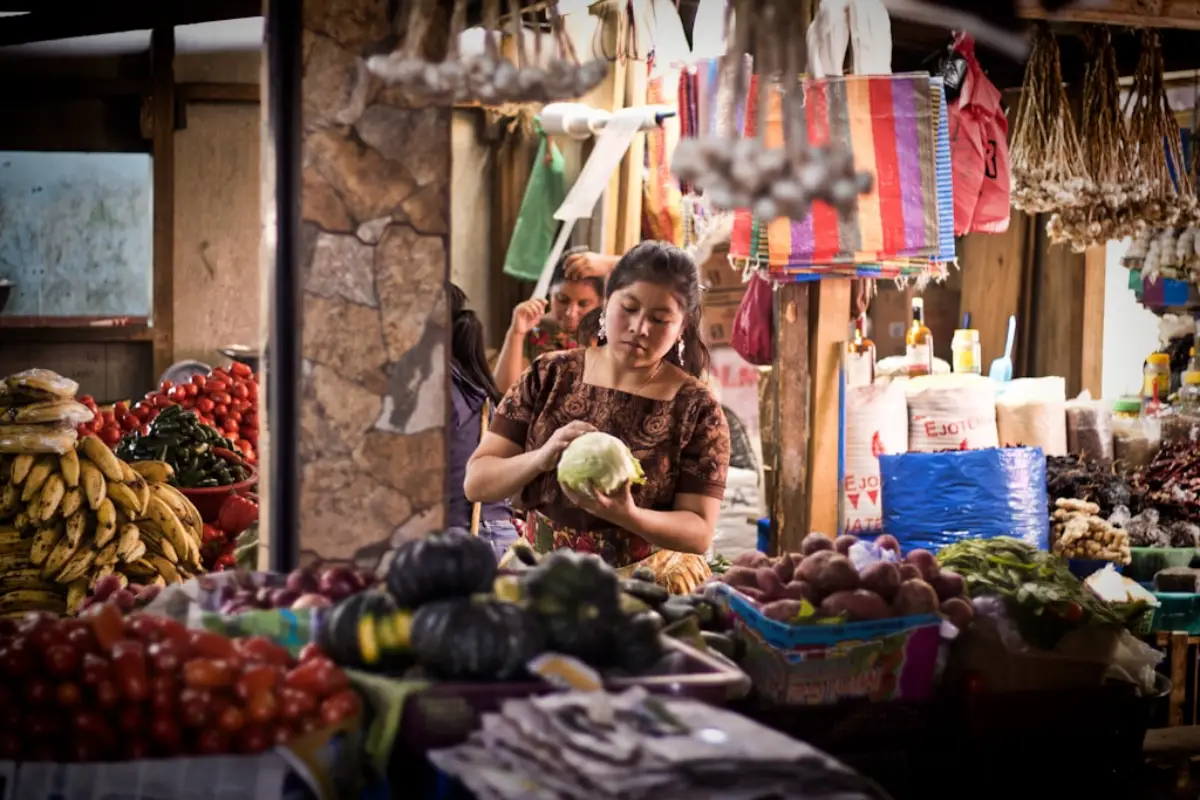
At the heart of Guatemalan culture are its mercados, bustling open-air markets that offer everything from textiles to tamales.
Chichicastenango Market, held twice a week, is a riot of colour and noise. You can buy handwoven huipils, wooden masks, spices, and ceremonial incense.
Guatemalan food is deeply comforting. Try pepian, a spicy meat stew; jocon, made with green tomatoes and coriander; and atol de elote, a creamy corn drink perfect for cool evenings.
Whether you’re in a city café or a roadside stall, meals are always best when shared with locals.
Again, most of these vendors only take quetzales, so bring cash to avoid missing out.

Off-the-Beaten-Path Culture: Semuc Champey & Beyond
Want to go deeper? Make time for Semuc Champey, a natural limestone bridge with turquoise pools tucked into the jungle near Lanquín. It’s a popular destination, but still feels wild and remote.
Up north, near Lake Petén Itzá, you’ll find the majestic ruins of Tikal, one of the most significant Mayan archaeological sites in the world.
Staying in Flores or El Remate gives you access to both the ruins and the calm waters of the lake.
On the Pacific Ocean side, you’ll find surf towns like El Paredón and remote fishing communities.
Or head east to Puerto Barrios on the Caribbean coast, where the Garífuna culture brings African, Indigenous, and European influences to life through music, food, and dance.

Travel Tips for a Smooth Cultural Experience
- Visas & Entry: Most travellers can stay for up to 90 days without a visa. Make sure your passport is valid for at least 30 days beyond your stay.
- Language: Spanish is widely spoken, but in many villages, you’ll also hear Mayan languages like K’iche’, Tz’utujil, and Q’eqchi’. Learning a few local phrases goes a long way.
- Transport: Chicken buses are iconic but chaotic. For comfort and safety, use shuttle services or go with a local guide.
- Currency: Many towns and villages are cash-only. Avoid ATM stress by ordering Guatemalan currency before you go.
The Cultural Trip of a Lifetime
Guatemala isn’t just a place you visit; it’s a place that stays with you. Its culture is alive in every woven textile, every marimba beat, every smoky bowl of pepian.
So when you’re planning your journey through Central America, don’t skip Guatemala.
Take the time to explore the traditions, meet the people, and experience the country beyond the guidebook.
And whatever you do, bring your quetzales, you’ll want to be ready when culture calls.