A tourist’s weekend trip to the Uffizi Gallery in Florence didn’t go as planned—and now the museum is rethinking how it welcomes visitors.
While exploring a temporary exhibition titled “Florence and Europe: Arts of the 18th Century,” an Italian visitor attempted to mimic a pose from a portrait by Anton Domenico Gabbiani—specifically, one of Ferdinando de’ Medici. In the process of staging the selfie, the man stumbled backward, falling into the canvas and tearing it.
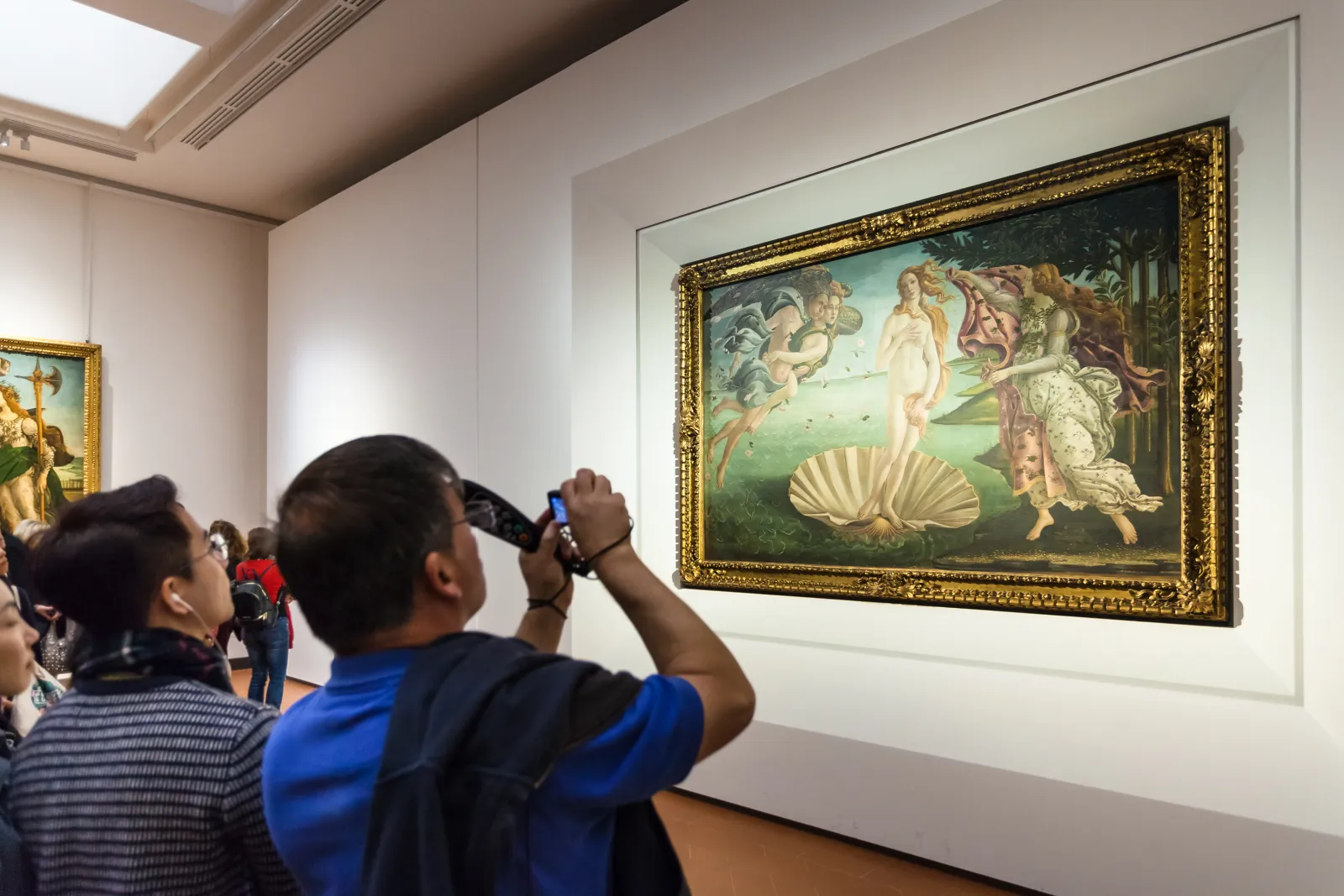
Though the damage was minor and will be quickly repaired, the consequences could echo far beyond this one artwork. The gallery’s director, Simone Verde, has since made it clear: behavior motivated by social media content creation—selfies, memes, viral videos—has become an overwhelming issue for museums like the Uffizi. As a result, the gallery plans to impose strict limits on photography and visitor conduct.
The Rising Cost of Social Media Moments
Galleries around the world have wrestled with how to balance accessibility with preservation, but this incident at the Uffizi has reignited a particularly urgent debate. Visitors increasingly approach museums not to admire the works on display, but to turn them into backdrops for digital content. In some cases, this trend has led to irreparable damage; in others, like this one, to embarrassing accidents with cultural consequences.
Just last week, a similar incident made headlines when a tourist broke a Swarovski-covered Van Gogh chair at the Palazzo Maffei House-Museum in Verona. The artwork, created by contemporary artist Nicola Bolla, was part of a tribute to Van Gogh’s legacy. That accident further underscored the vulnerability of cultural displays when visitor behavior is driven by social media gratification rather than genuine appreciation.
According to local news reports, the tourist involved in the Uffizi case has been formally reported by museum officials. The damaged painting has already been removed for professional restoration, which experts say will be completed swiftly. Still, the symbolic damage—and the risk to other artworks—has pushed leadership to act fast.
New Limits on Photography at the Uffizi
Director Verde announced that the Uffizi Gallery will soon enact “very precise limits” on photography, especially selfies and meme-style behavior that disrupt the atmosphere of the museum. “We will set very precise limits, preventing behavior that is incompatible with the spirit of our institutions and respect for cultural heritage,” he stated in the aftermath of the event.
While exact details of the new regulations have yet to be announced, it’s expected that the gallery will prohibit or closely regulate photos taken within temporary exhibitions and near particularly fragile or valuable works of art. Security staff will likely receive updated training to identify and intervene when inappropriate behavior arises.
A Historic Weekend for the Uffizi
Ironically, the selfie mishap occurred on a weekend of celebration for the Uffizi. On the same day, the museum had finally dismantled a 60-meter crane that had been occupying the gallery square for two decades. Originally installed to facilitate an expansion of the museum, the towering crane had long been an eyesore for visitors and locals alike, obstructing the famous view and generating complaints from tourists and residents.
The crane’s removal marked the end of what many considered one of the most disruptive phases in the gallery’s modern history. Celebrations were underway to mark the renewed openness of the square—a moment intended to symbolize Florence’s commitment to preserving beauty and accessibility. Unfortunately, that same day brought an incident that reminded the world just how fragile that beauty can be.
Balancing Access and Preservation
The Uffizi’s move to limit photography may stir debate among travelers, many of whom see selfies as a form of engagement and memory-making. But as museums increasingly become social media hotspots, curators and cultural stewards face growing challenges in maintaining respect for historical art and architecture.
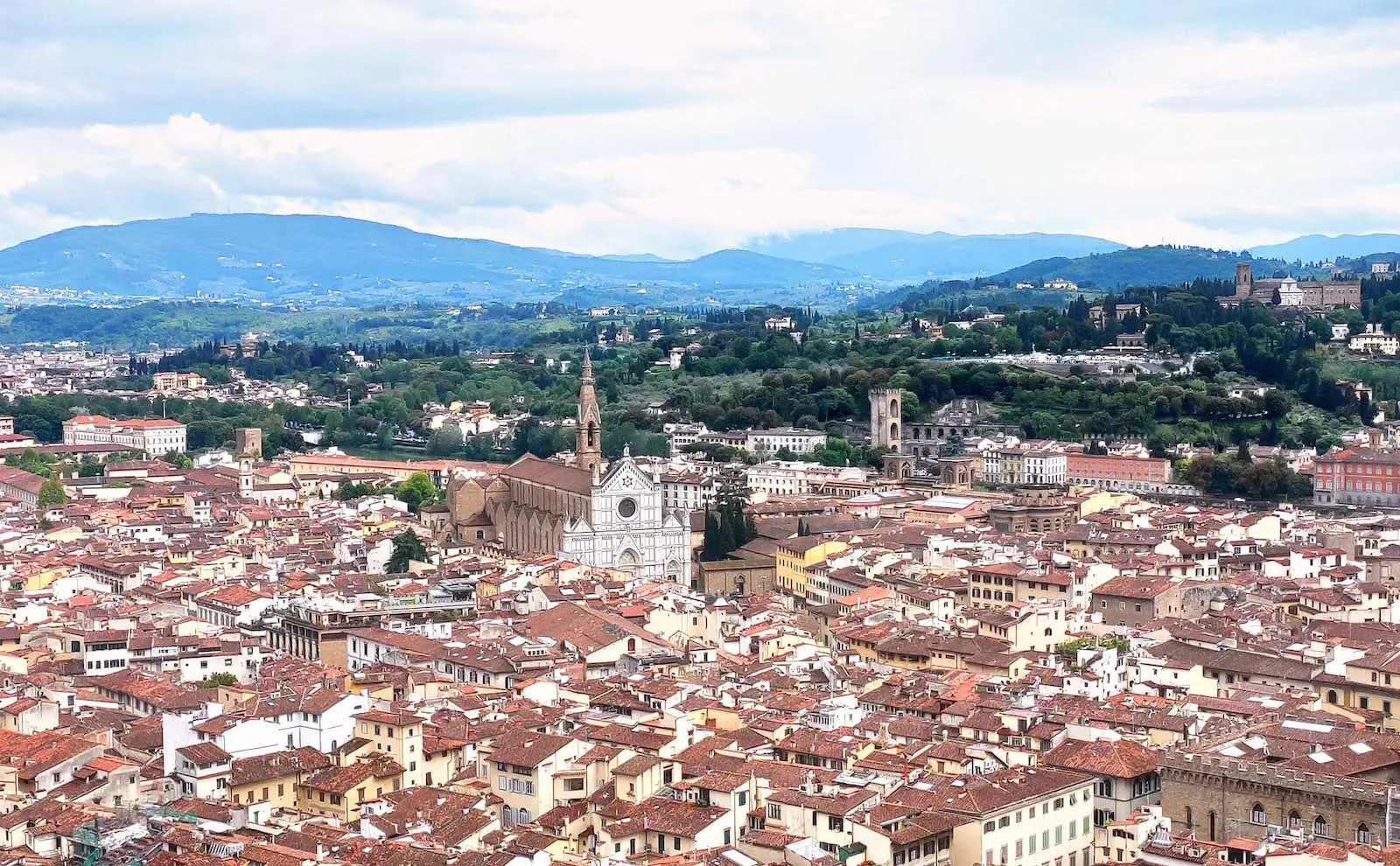
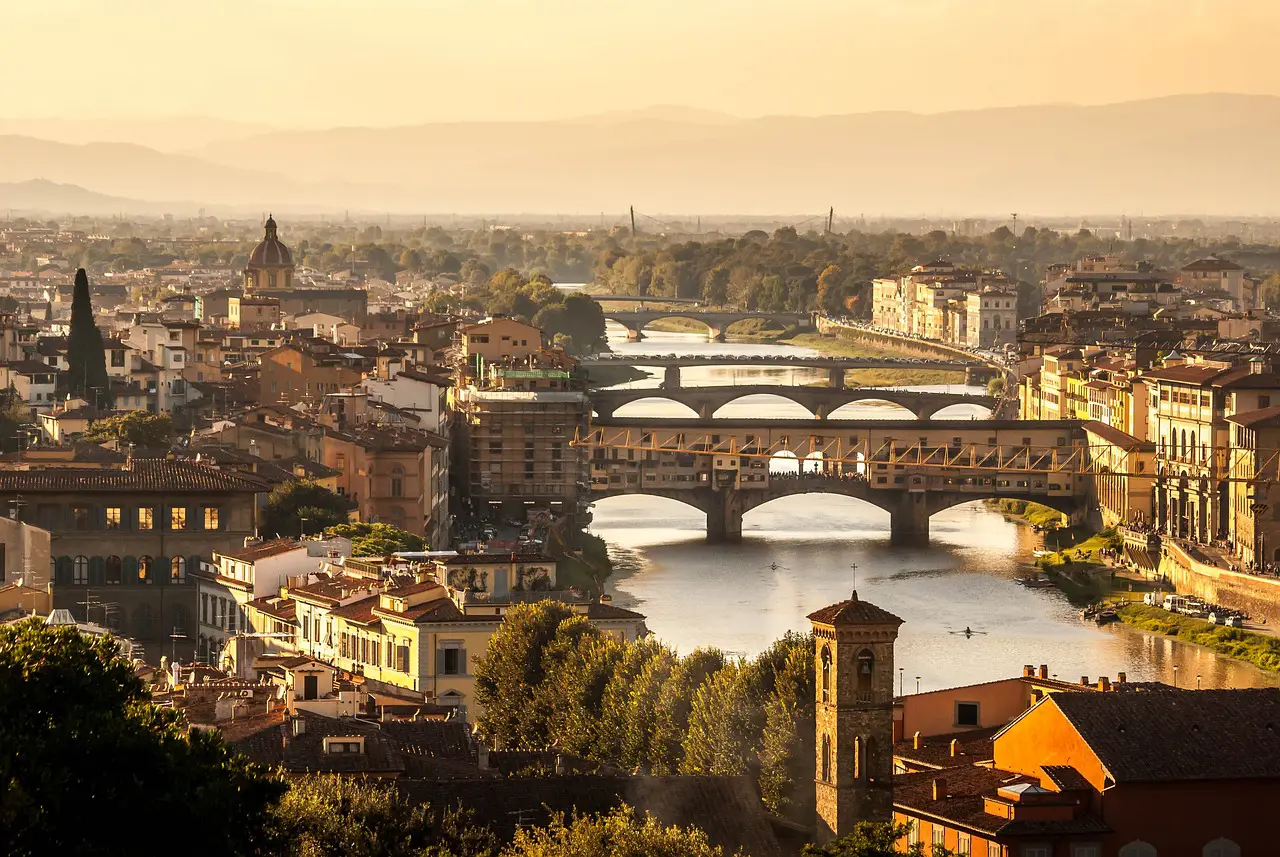
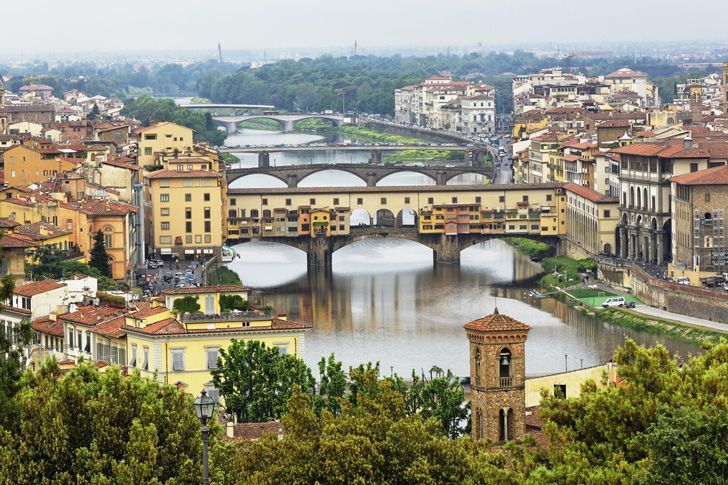
Florence, a city whose treasures include the Duomo, Michelangelo’s David, and the Ponte Vecchio, is no stranger to the pressures of mass tourism. The Uffizi Gallery, one of Italy’s most visited institutions, draws more than four million visitors annually. As crowds grow, the need for stricter boundaries becomes more pressing.
This latest event may serve as a catalyst for broader changes not just in Florence, but globally. Other galleries across Europe and beyond may take inspiration from the Uffizi’s stance as they grapple with the new realities of digital-age tourism. Whether or not other institutions follow suit, one thing is clear: the line between appreciation and appropriation is thinner than ever—and protecting cultural heritage now requires more than velvet ropes.
Photo Credit: vvoe / Shutterstock.com