Investigators probe Air India crash as fuel switches eyed in Boeing 787 safety review, shining a spotlight on aviation safety in one of the worst airline disasters in nearly a decade.
The crash of Air India Flight 171 shortly after takeoff in Ahmedabad has raised urgent questions about aircraft design, maintenance protocols, and operational training. It has also led to sweeping inspections across fleets and a renewed focus on how airlines, regulators, and manufacturers handle potential design vulnerabilities.
As the investigation unfolds, aviation authorities, airline executives, and pilots’ unions are grappling with preliminary findings that suggest a critical failure linked to fuel control switches. At the same time, the tragedy has deeply affected the families of the 260 victims and challenged India’s aviation sector to re-examine safety measures, crisis management, and communication. The global aviation community is watching closely as the inquiry continues, hoping to learn lessons that can prevent future disasters.
Devastating Crash on Takeoff
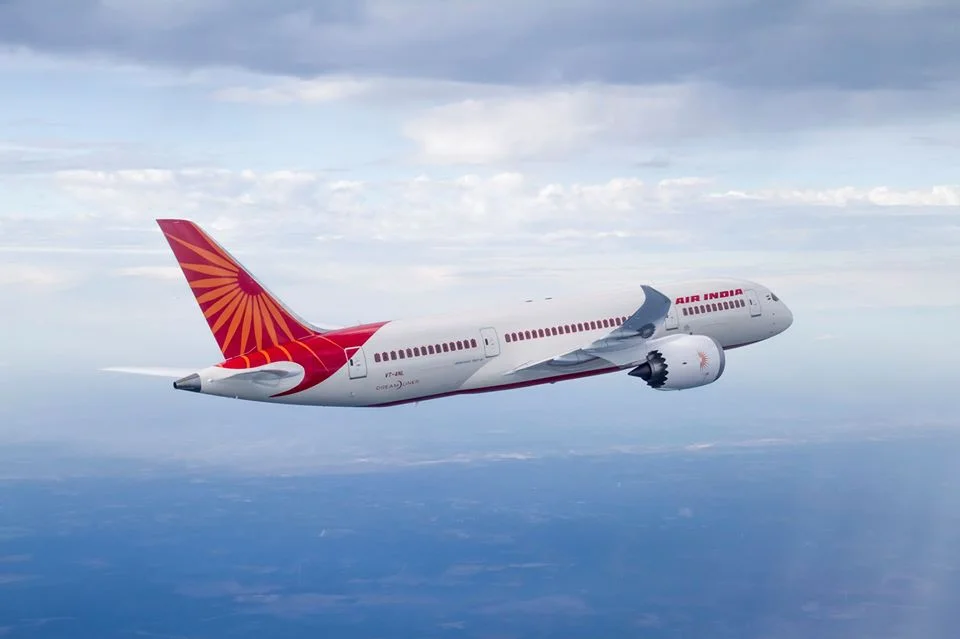
On June 12, 2025, Air India Flight 171, a Boeing 787-8 Dreamliner operating from Ahmedabad (AMD) to London Gatwick (LGW), crashed just 30 seconds after takeoff. Of the 242 people on board, only one survived, while an additional 19 people lost their lives on the ground. The disaster is one of the worst in recent aviation history, drawing comparisons to other high-fatality events and highlighting the continuing need for rigorous safety oversight.
The aircraft reportedly lost thrust in both engines shortly after becoming airborne. Preliminary data recovered from the Enhanced Airborne Flight Recorder (EAFR) indicated that both engine fuel control switches moved almost simultaneously from ‘RUN’ to ‘CUTOFF,’ effectively starving the engines of fuel. Investigators also recovered cockpit voice recordings that captured a moment of confusion as one pilot asked the other, “Why did you cut off?” to which the response was, “I did not.”
While the switch was returned to ‘RUN’ for Engine 1 and showed signs of recovery, Engine 2 failed to stabilize, leaving the crew unable to regain enough power to prevent the crash.
The incident has prompted India’s Directorate General of Civil Aviation (DGCA) to order airlines to inspect the fuel control switches on all Boeing 787 Dreamliners and certain Boeing 737 variants in their fleets. These inspections must be completed quickly, with results reported back to the regulator to ensure continued operational safety.
Complex Investigation Led by Experts
India’s Aircraft Accident Investigation Bureau (AAIB) has taken charge of the inquiry, appointing a high-level team of experienced aviation professionals. Leading the investigation is Sanjay Kumar Singh, currently serving as Director (Investigation) at AAIB. With over 30 years of experience in aviation safety and investigative work, including a distinguished career in the Indian Air Force (IAF), Singh is seen as a highly qualified choice to guide this complex probe.
Other team members include Chief Investigator Jasbir Singh Larhga and Safety Investigation Officers Vipin Venu Varakoth, Veeraragavan K, and Vaishnav Vijayakumar. This multidisciplinary team draws on diverse expertise, including military aviation, aircraft engineering, and human factors analysis. Their work is supported by specialists from the Indian Air Force, Hindustan Aeronautics Limited (HAL), and the US National Transportation Safety Board (NTSB), underscoring the international significance of the case.
The investigation process is meticulous, involving recovery and analysis of black box data, maintenance logs, and engine performance records. At AAIB’s advanced laboratory in Delhi, experts are reviewing flight data recorder (FDR) and cockpit voice recorder (CVR) outputs, seeking to reconstruct the final moments of the flight and identify root causes. This level of collaboration and technical rigor is essential for ensuring that the inquiry leads to actionable safety improvements.
| Key Investigation Details | Information |
|---|---|
| Date of Crash | June 12, 2025 |
| Aircraft Type | Boeing 787-8 Dreamliner |
| Fatalities | 260 (241 onboard, 19 on ground) |
| Lead Investigator | Sanjay Kumar Singh (AAIB) |
| Main Issue Identified | Fuel control switches moved to ‘CUTOFF’ |
Focus on Fuel Control Switches
At the heart of the investigation is the role of the Boeing 787’s fuel control switches, which regulate fuel flow to the engines. The preliminary report did not identify how the switches could have moved to the ‘CUTOFF’ position during flight, leaving a critical question unanswered. However, it did highlight a 2018 advisory from the US Federal Aviation Administration (FAA) recommending airlines inspect the locking feature of these switches to prevent unintentional movement.
The FAA advisory was not mandatory but was based on reports that some Boeing aircraft had fuel control switches installed with the locking feature disengaged. Investigators noted that Air India’s fleet had not taken this step before the crash. In the days following the accident, the DGCA ordered comprehensive inspections of all Boeing 787 Dreamliners in India to ensure the locking mechanisms were properly engaged, emphasizing a “safety-first” approach to reassure travelers.
According to the FAA, the design of the fuel control switch, including its locking feature, is similar across multiple Boeing models. However, the agency does not currently consider the issue to constitute an unsafe condition that would warrant an Airworthiness Directive. This difference in regulatory interpretation has added complexity to the global conversation about aircraft safety standards and manufacturer accountability.
- FAA 2018 advisory recommended inspecting locking features
- Fuel control switches critical for engine operation
- Inspections ordered for Boeing 787 and some 737 models
- Focus on preventing unintentional switch movement
Industry Reaction and Airline Response
Air India’s leadership has sought to reassure the public and its workforce while emphasizing that the preliminary report did not find mechanical or maintenance faults with the aircraft. In a communication to staff, Air India CEO Campbell Wilson stressed that all required maintenance tasks had been completed before the flight, with no abnormalities detected during pre-flight checks. He also confirmed that pilots had passed all required medical and breathalyzer tests.
Campbell Wilson warned against “premature conclusions” about the cause of the crash, highlighting the dangers of speculation and sensationalism in the aftermath of such a tragedy. He noted that the investigation remained ongoing and that a more detailed final report would likely take up to 12 months. Meanwhile, Air India conducted additional inspections across its entire Boeing 787 fleet “out of an abundance of caution,” reporting all aircraft fit for service.
The tragedy has also sparked debate within India’s aviation community about pilot training, cockpit procedures, and the importance of clear communication under pressure. At least two commercial pilots’ associations have rejected speculation that human error, including intentional acts, caused the crash, labeling such theories as reckless and unfounded. This tension reflects the challenge of balancing transparency and accountability while respecting the integrity of an ongoing investigation.
Global Implications for Aviation Safety
The crash of Air India Flight 171 has become a case study in how modern aviation systems can fail despite layers of redundancy and oversight. It has prompted urgent reviews not only in India but worldwide, with airlines, regulators, and manufacturers evaluating whether existing design safeguards are sufficient. The incident has highlighted the critical importance of consistent adherence to safety advisories, even those that are not strictly mandatory, to avoid catastrophic outcomes.
For travelers, the tragedy is a sobering reminder of the inherent risks of flight, even as aviation remains one of the safest modes of transportation statistically. It also underscores the value of transparency and thorough investigation in rebuilding public confidence after high-profile accidents. The aviation industry’s response—from voluntary inspections to strengthened communication protocols—demonstrates a commitment to learning from mistakes and protecting lives in the future.
As the AAIB continues its detailed inquiry with support from international experts, the world will be watching for recommendations that may reshape airline operations, regulatory requirements, and aircraft design. Ultimately, the goal is not only to understand what went wrong on that June morning in Ahmedabad but to ensure such a tragedy never happens again. Credit: This report includes information originally published by The Washington Post, BBC, and other news agencies.