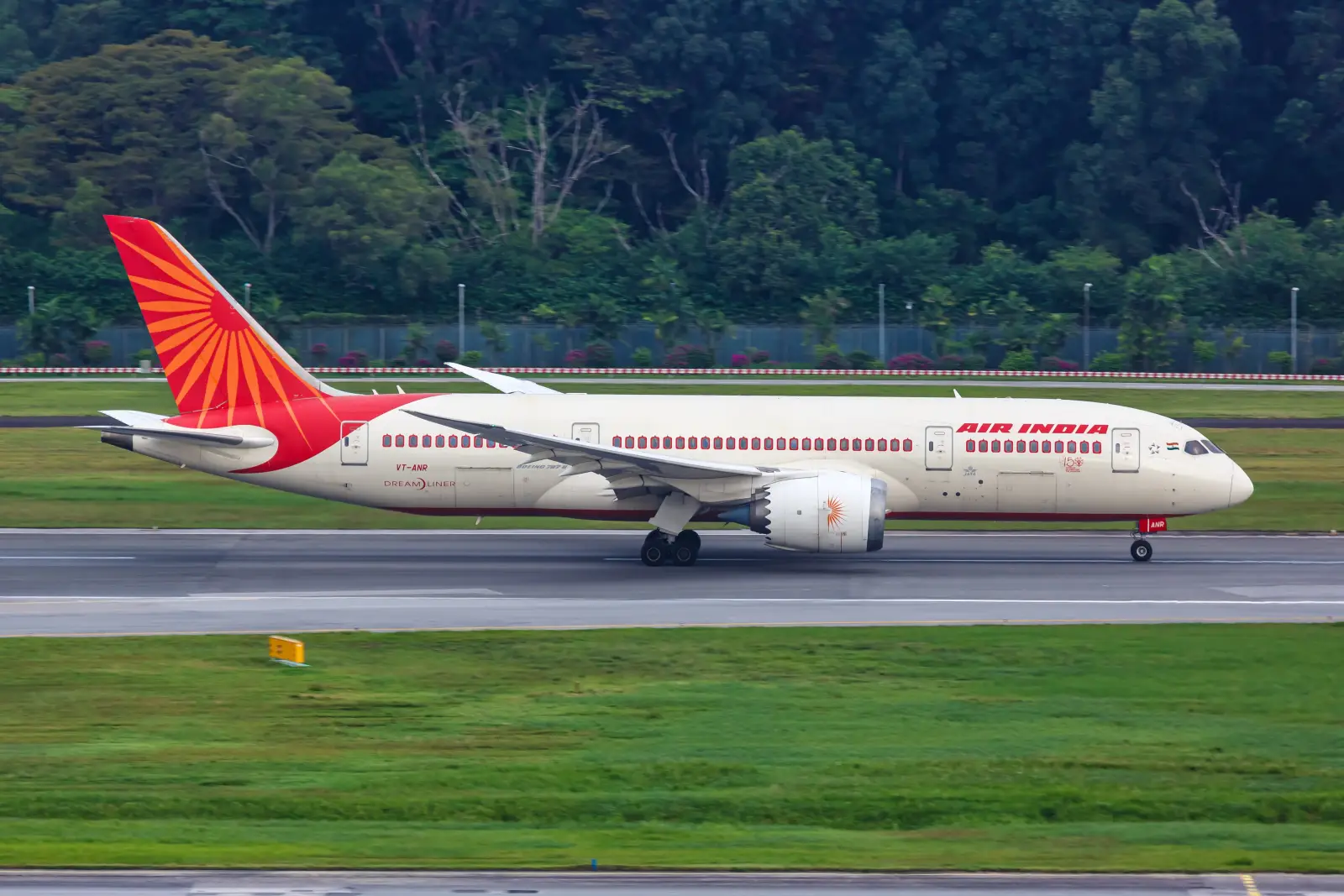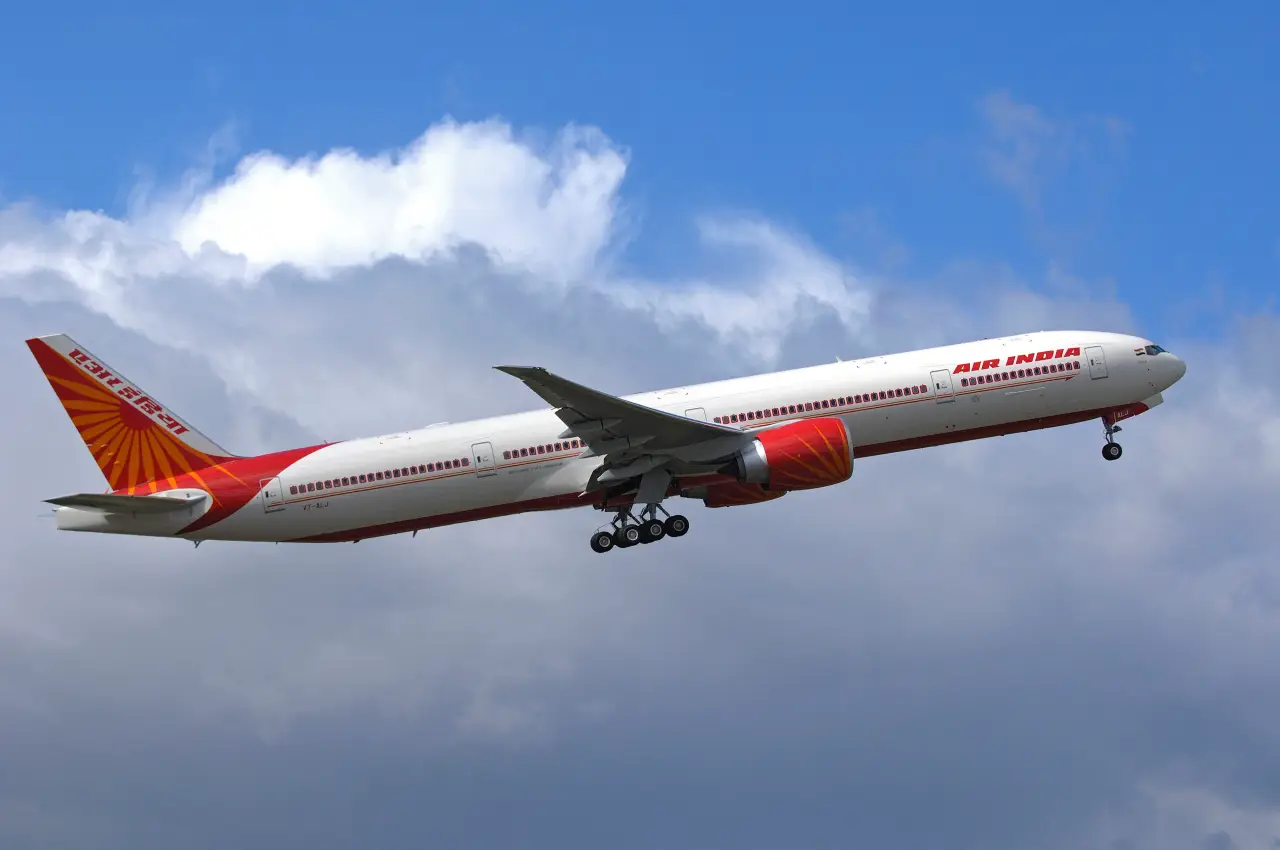
An Air India flight to Vancouver was forced to return to Delhi last week as it was found that the wrong Boeing 777 variant was used as reported by The Economic Times. The Boeing 777-200LR aircraft was not approved for routes to Canada, prompting a mid-air return over Chinese airspace near Kunming after being airborne for about four hours.
The flight had taken off from Delhi with a full load of passengers and was operating on an unusual eastward route, avoiding the Gulf conflict zone. However, the aircraft assigned for the journey was a Boeing 777-200LR, while Air India only has regulatory approval to operate its Boeing 777-300ER aircraft to Canada.
“Air India flight AI185, operating from Delhi to Vancouver on 19 March returned to Delhi due to an operational issue and in line with established standard operating procedures. The aircraft landed safely, and all passengers and crew had disembarked safely,” an Air India spokesperson said.
“The flight should have been operated using a Boeing 777-300ER aircraft, which has the necessary approvals for operations to Canada,” an official said, adding, “This aircraft wasn’t allowed to operate into Canada because the approvals are specific to certain variants like the Boeing 300ER.”
“We sincerely regret the inconvenience caused to our guests by this unforeseen situation. Our ground teams in Delhi had provided all necessary assistance, including offering hotel accommodation, while every effort was made to fly the passengers to their destination at the earliest. The flight departed this morning (20 March) for Vancouver with the passengers. At Air India, the safety and well-being of our passengers and crew remain our highest priority,” the spokesperson added.
Serious and costly operational error
Another official said, “You can’t just send a different aircraft, for instance one cannot operate a B777 200LR or a B787 without prior clearance, since airport infrastructure, ground handling, and parking gates are configured accordingly.”
Operating international flights requires multiple clearances that vary by destination country, including aircraft-specific approvals linked to infrastructure and regulatory requirements, the official said.
A Boeing 777 typically consumes 8–9 tons of fuel per hour, depending on conditions. With global oil prices elevated and the rupee under pressure, the diversion represents a substantial avoidable cost for the airline.
Officials also pointed to the financial implications of the incident. “The aircraft was airborne for about seven to eight hours, including the time it spent over Chinese airspace. Fuel burn alone would be significant… Add to that passenger accommodation and the opportunity cost, and the total loss could run into a few million dollars,” an official said.
The incident has drawn serious internal scrutiny within the airline. Sources indicated that the lapse is being treated with urgency and accountability measures are under consideration.
The incident has also raised eyebrows within aviation circles. While flights operating westward over the Arabian Sea since late February have faced the possibility of turning back due to regional tensions, a return triggered by what industry insiders describe as a “human error” — and that too on an eastbound route — has come as a surprise even to seasoned professionals.