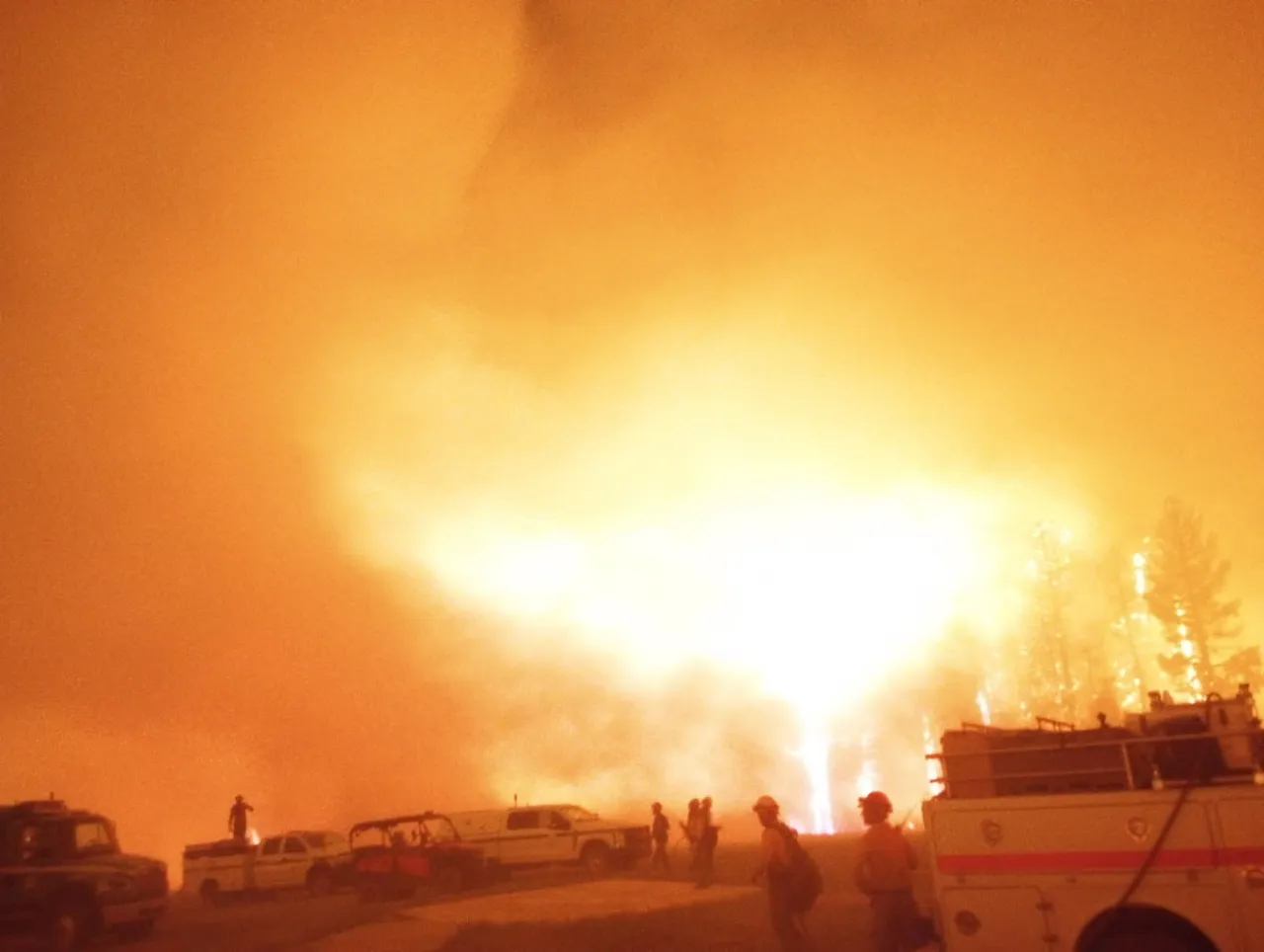
A wildfire destroys the historic Grand Canyon Lodge and shuts down the North Rim for 2025, an event that has stunned travelers, park officials, and historians alike. The Dragon Bravo Fire has consumed more than 5,000 acres, leaving a devastating mark on northern Arizona’s iconic landscapes. This destruction is a stark reminder of the growing threat of wildfires to the United States’ treasured public lands.
The Grand Canyon Lodge, the only lodging within Grand Canyon National Park’s North Rim, was reduced to ashes along with dozens of other structures. Park authorities announced that the North Rim will remain closed to visitors for the rest of the 2025 season, disrupting travel plans for countless visitors who had hoped to explore the less-crowded, higher-altitude side of the world-famous canyon. As the fire continues to rage, questions about wildfire management, historical preservation, and visitor safety are front and center.
The Loss of an American Icon
Perched 8,000 feet above sea level, the Grand Canyon Lodge was far more than a place to sleep; it was an integral part of the North Rim experience. Built in 1928, the original structure burned down in 1932 and was rebuilt by 1937 on the same stone foundation, using much of the original stonework. Its rustic design, large windows, and stone terraces offered guests breathtaking views of the canyon’s sheer walls, layered rock formations, and endless horizons.

Over the decades, the lodge became a pilgrimage site for generations of travelers seeking a quieter, cooler, and more contemplative Grand Canyon experience compared to the busier South Rim. Guests enjoyed dining rooms with panoramic vistas, a cozy fireplace lounge, a gift store filled with Southwest arts and crafts, and a post office that served as a lifeline for travelers in the remote area. It wasn’t just a hotel—it was an institution that embodied America’s national park heritage, built at a time when rustic architecture was meant to harmonize with its grand natural surroundings.
The lodge was part of a wider philosophy that aimed to make the country’s natural wonders accessible while preserving their wild character. For many visitors, waking up to sunrise over the North Rim was the highlight of a lifetime of travel. Its destruction is not merely the loss of a building, but the loss of a cultural landmark woven deeply into the national consciousness.
The Dragon Bravo Fire’s Devastating Path
The Dragon Bravo Fire ignited earlier this month in northern Arizona and, as of Sunday, had devoured over 5,000 acres. Driven by dry conditions, high temperatures, and erratic winds, the fire spread rapidly across forested terrain. It destroyed at least 50 structures in its path, including cabins, service buildings, and other support facilities essential for North Rim operations.
Federal officials reported that the fire was burning about 35 miles south of the White Sage Fire, an even larger blaze that had doubled in size in one day to more than 40,000 acres. As of Sunday, neither fire had any perimeter containment. Fire crews faced challenging conditions, including steep terrain, limited road access, and highly combustible dry vegetation that acted as fuel for the advancing flames.
| Fire Name | Acreage Burned | Containment Status |
|---|---|---|
| Dragon Bravo Fire | 5,000+ acres | 0% containment |
| White Sage Fire | 40,000+ acres | 0% containment |
Arizona’s Coconino County issued evacuation notices for the areas north and south of the unincorporated township of Jacob Lake as well as the North Rim itself. Firefighters worked to protect critical infrastructure while prioritizing the safe evacuation of residents, park staff, and visitors. Despite their efforts, the Grand Canyon Lodge could not be saved, leaving behind only memories and charred ruins where guests once marveled at the grandeur of the canyon.
Environmental and Safety Challenges
Beyond the immediate destruction of structures, the Dragon Bravo Fire has created additional environmental and safety risks that threaten both the park and surrounding communities. On Saturday, the fire impacted a North Rim water-treatment facility, leading to a chlorine gas leak. Chlorine gas, being heavier than air, can flow into lower elevations such as the inner canyon and poses severe respiratory hazards, even death in high concentrations.
The National Park Service quickly closed the North Kaibab Trail, Phantom Ranch area, and South Kaibab Trail until a full safety assessment could be completed. These closures, though necessary, cut off popular backcountry routes and iconic inner-canyon destinations that draw thousands of hikers annually. They underscore the complex web of risks that large wildfires pose in remote, ecologically sensitive environments like the Grand Canyon.
Fire behavior in the North Rim area has historically been influenced by prevailing winds that often pushed flames away from developed areas. However, this fire season has demonstrated the unpredictability of wildfire dynamics in a warming climate. Changing wind patterns, extreme heat, and prolonged drought have made even traditionally “safer” areas vulnerable to catastrophic loss.
- Evacuations issued for Jacob Lake and North Rim areas
- 50+ structures destroyed in the Dragon Bravo Fire
- Chlorine gas leak from damaged water-treatment facility
- Popular trails and inner-canyon routes closed
Debate Over Fire Management and Response
In the aftermath of the lodge’s destruction, questions have emerged about how the fire was managed. Arizona Governor Katie Hobbs called for an independent investigation into the federal emergency response. She alleged that the fire was treated as a “controlled burn during the driest, hottest part of the Arizona summer” instead of receiving a more aggressive suppression strategy.
Governor Katie Hobbs expressed deep sympathy for those affected, saying she was “incredibly saddened by the destruction of the historic Grand Canyon Lodge” and emphasized the need for “intense oversight and scrutiny.” Her statement captured the frustration and sorrow felt by many Arizona residents and travelers who recognize the lodge’s cultural significance. The demand for accountability reflects a growing tension between land management agencies and state officials over the best ways to address wildfire threats in a rapidly changing environment.
Meanwhile, federal officials have firmly rejected claims that the fire was mishandled as a controlled burn. Interior Department spokesperson Elizabeth Peace stated that such allegations were “not at all accurate” and emphasized that federal wildland fire experts “certainly know the difference.” She underscored that the department takes wildfire threats “with the utmost seriousness” and is committed to protecting lives, communities, and public lands through “science-driven fire management and rapid response.”
This debate reveals the high-stakes complexity of modern wildfire management in the American West. Even the most carefully planned responses face challenges in an era marked by hotter, drier conditions and growing development in fire-prone landscapes. It also highlights the need for improved communication and coordination among local, state, and federal agencies when disaster strikes.
Impact on Travel and Tourism
Grand Canyon National Park is one of the most visited natural attractions in the United States, drawing nearly 5 million visitors annually. While the South Rim remains open and operational, the closure of the North Rim for the rest of the 2025 season is a significant blow to Arizona tourism. Many visitors specifically choose the North Rim for its cooler temperatures, smaller crowds, and strikingly different vistas compared to the busier South Rim.
The Grand Canyon Lodge was the only in-park lodging option on the North Rim, making its loss even more impactful for future travel plans. Visitors will need to reconsider itineraries, potentially shifting to South Rim lodging or to nearby towns with limited accommodation options. Tour operators, guides, and local businesses that rely on North Rim traffic will also feel the economic strain of a lost season.
For those who love the North Rim’s quiet majesty, the fire is a personal loss as well as a public tragedy. It underscores the vulnerability of even the most carefully protected places to the growing threat of wildfires. As planning begins for recovery and rebuilding, the Grand Canyon community and its millions of admirers around the world will grapple with how to honor what was lost while preparing for a future defined by increasing fire risk.
Main Photo Credit: NPS