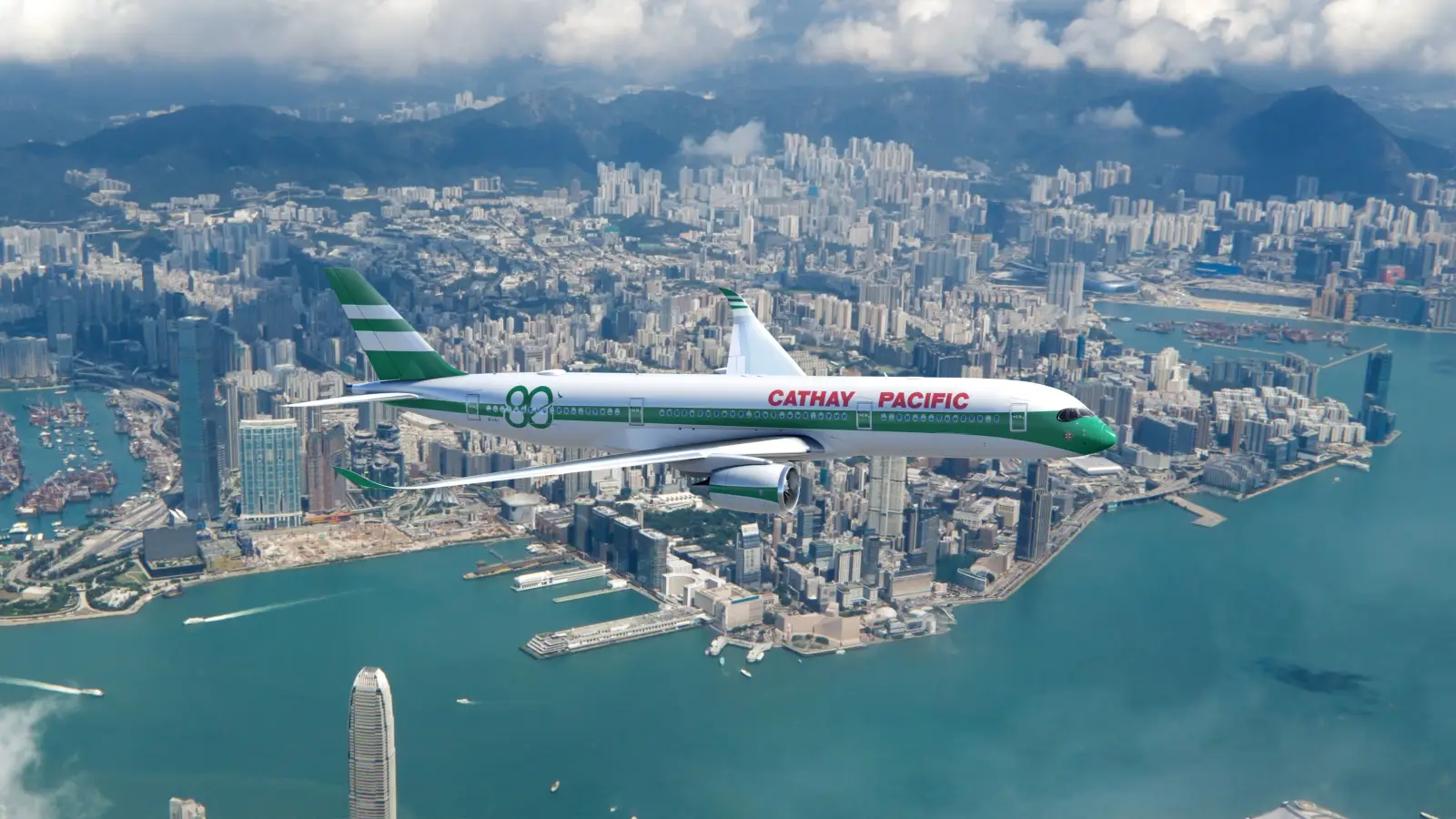
Airlines have transformed the way they clean aircraft, focusing on efficiency, safety, and environmental sustainability. Modern aircraft cleaning relies on two primary methods—wet washing and dry washing—each offering unique advantages for maintaining operational standards and visual appeal.
Choosing the right method is not just about appearance; it affects safety, efficiency, and compliance with environmental regulations. Airlines now balance these factors to ensure quick turnarounds, reduce water usage, and keep fleets in top condition.
Wet vs. Dry Washing Explained
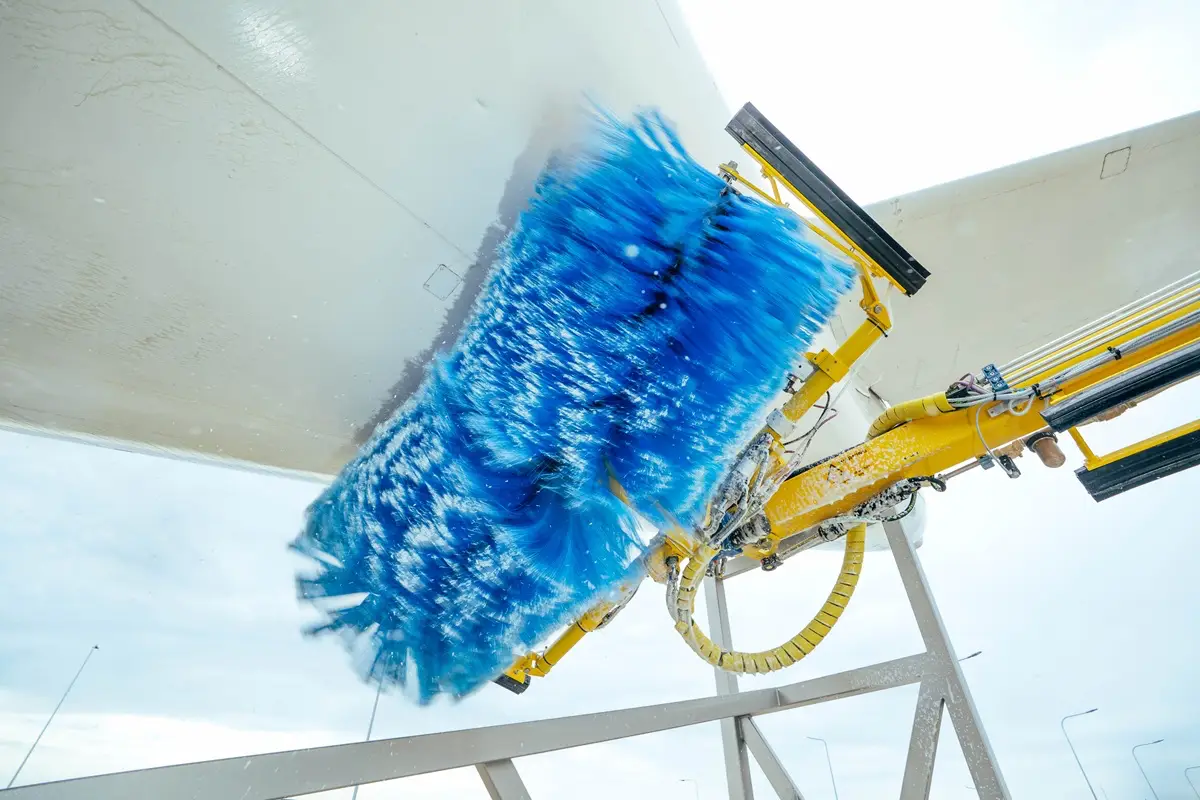
Wet washing, the traditional method, uses large amounts of water and detergent to remove dirt and environmental buildup. It is ideal for heavily soiled aircraft or those that have gone long periods without cleaning. Robotic wet washing significantly reduces labor and time, using roughly 200–250 liters of water-detergent mix for narrow-body aircraft and 500 liters for wide-body planes, followed by a rinse phase that doubles water use.
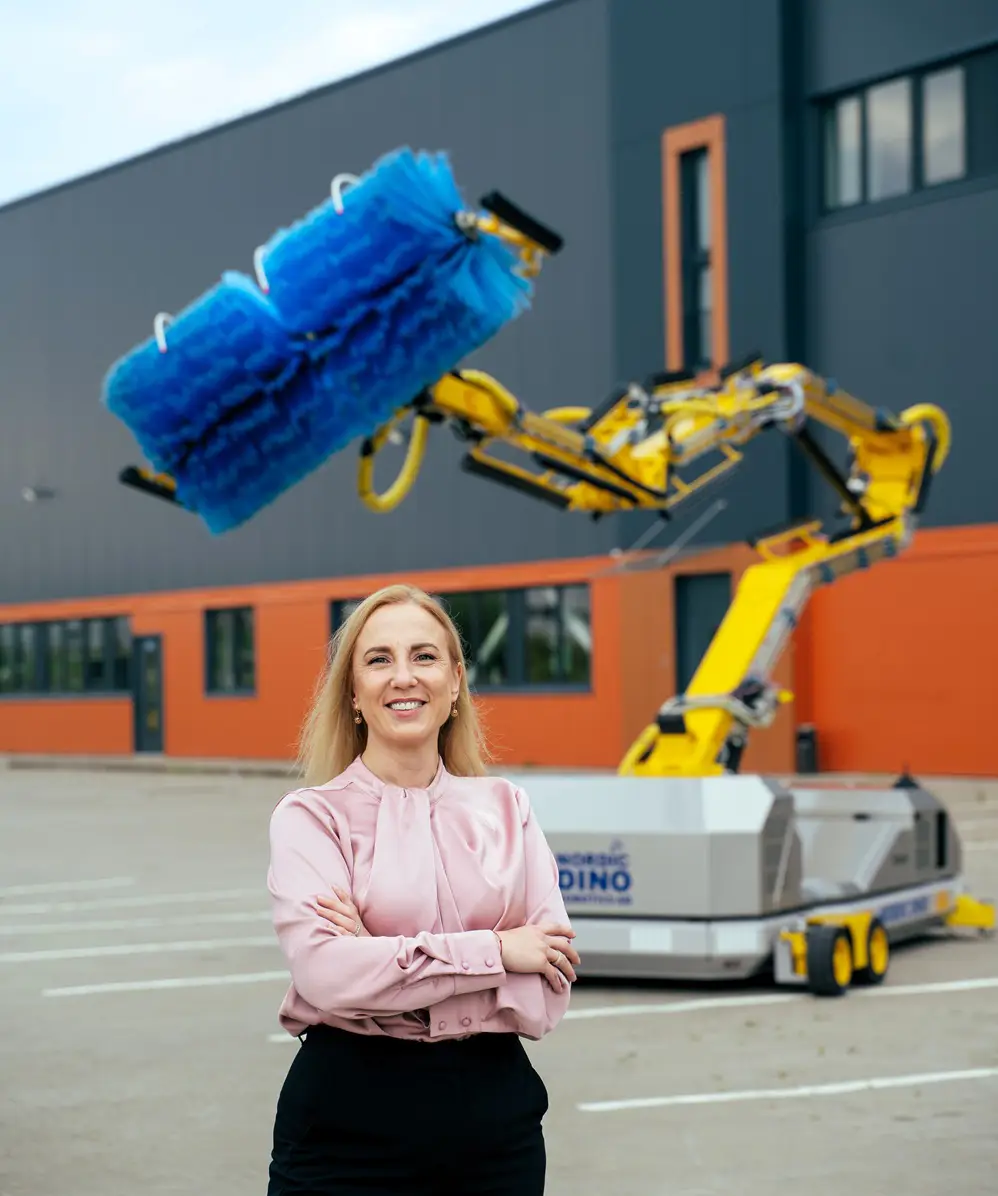
Dry washing is a newer, water-efficient solution. While not completely waterless, it relies on aviation-grade cleaning agents applied with cloths or sprays and wiped off, requiring as little as 45 liters of water for narrow-body aircraft. According to Veronika Andrianovaite of Nordic Dino Robotics, “dry washing dramatically reduces water use and labor while delivering excellent results.”
Choosing the Right Method
Wet washing is best for deep cleaning and removing stubborn dirt, while dry washing works well for routine maintenance on aircraft cleaned regularly. Regional conditions also influence the choice: dry washing is not suitable in sandy environments, like parts of the Middle East, where sand can scratch the aircraft surface without proper rinsing.
Environmental regulations are another factor. Many airports require drainage and water collection systems for wet washing, and some international hubs limit or ban the practice during dry seasons or due to infrastructure limitations. In these cases, dry washing becomes the preferred method, allowing airlines to meet sustainability requirements without delaying operations.
The Role of Automation
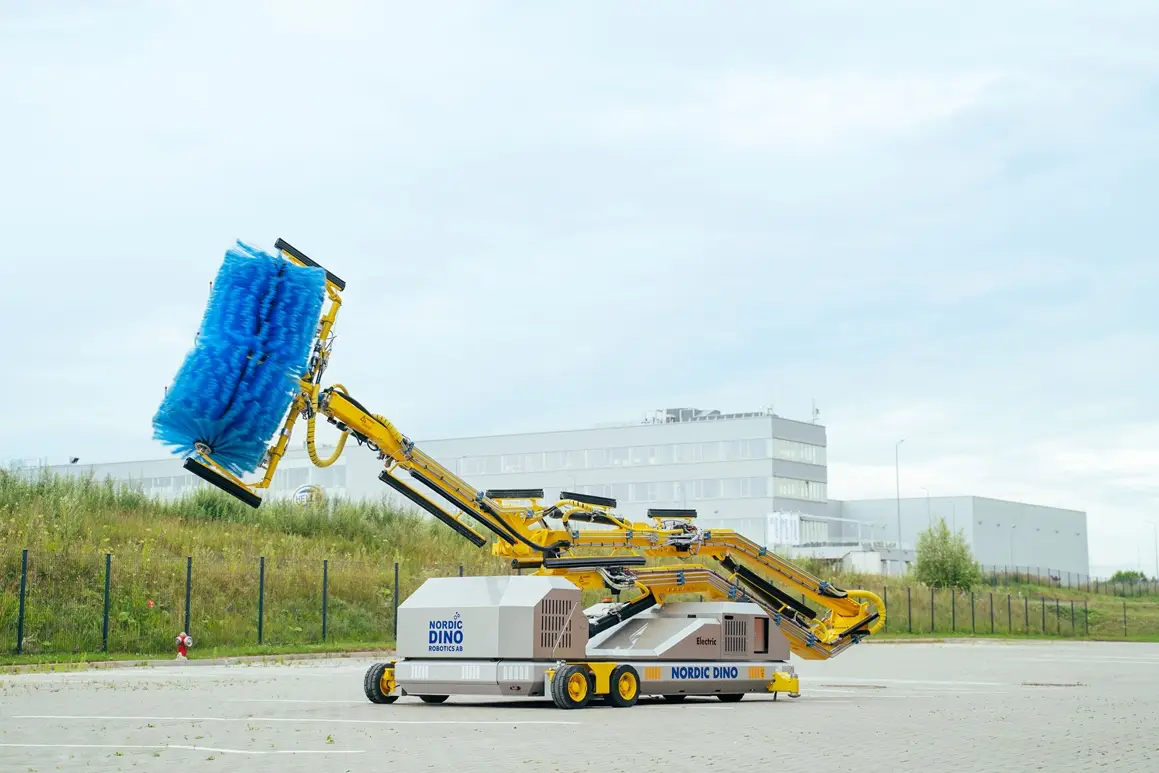
Robotic washing systems have revolutionized aircraft cleaning. They cut labor needs, reduce turnaround time, and ensure consistent results. Narrow-body aircraft can be cleaned in 1–2 hours, while wide-body planes take about 4 hours, compared to several hours longer with manual crews. Automation also improves safety by reducing the need for personnel to work on wet, elevated surfaces.
Balancing wet and dry methods offers airlines the best results: wet washes for deep cleaning and dry washes for routine upkeep. Automated systems like those from Nordic Dino support this approach, aligning efficiency with environmental responsibility.
Modern aircraft washing is no longer just about keeping planes polished. It reflects an industry-wide effort to optimize resources, comply with environmental standards, and maintain smooth operations. Airlines embracing robotic wet and dry washing are setting new benchmarks for sustainable and efficient fleet maintenance.