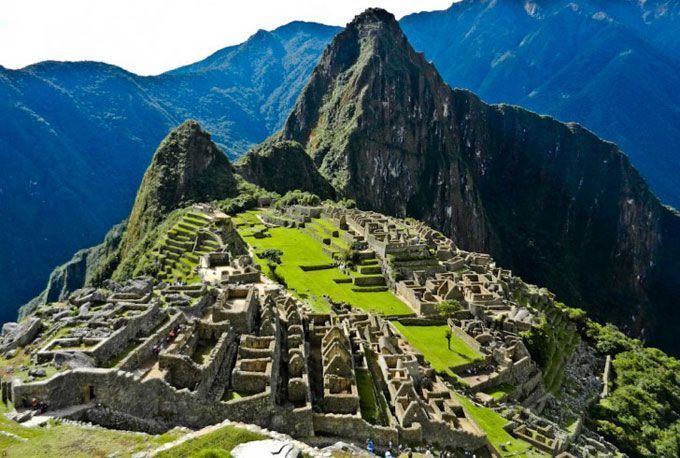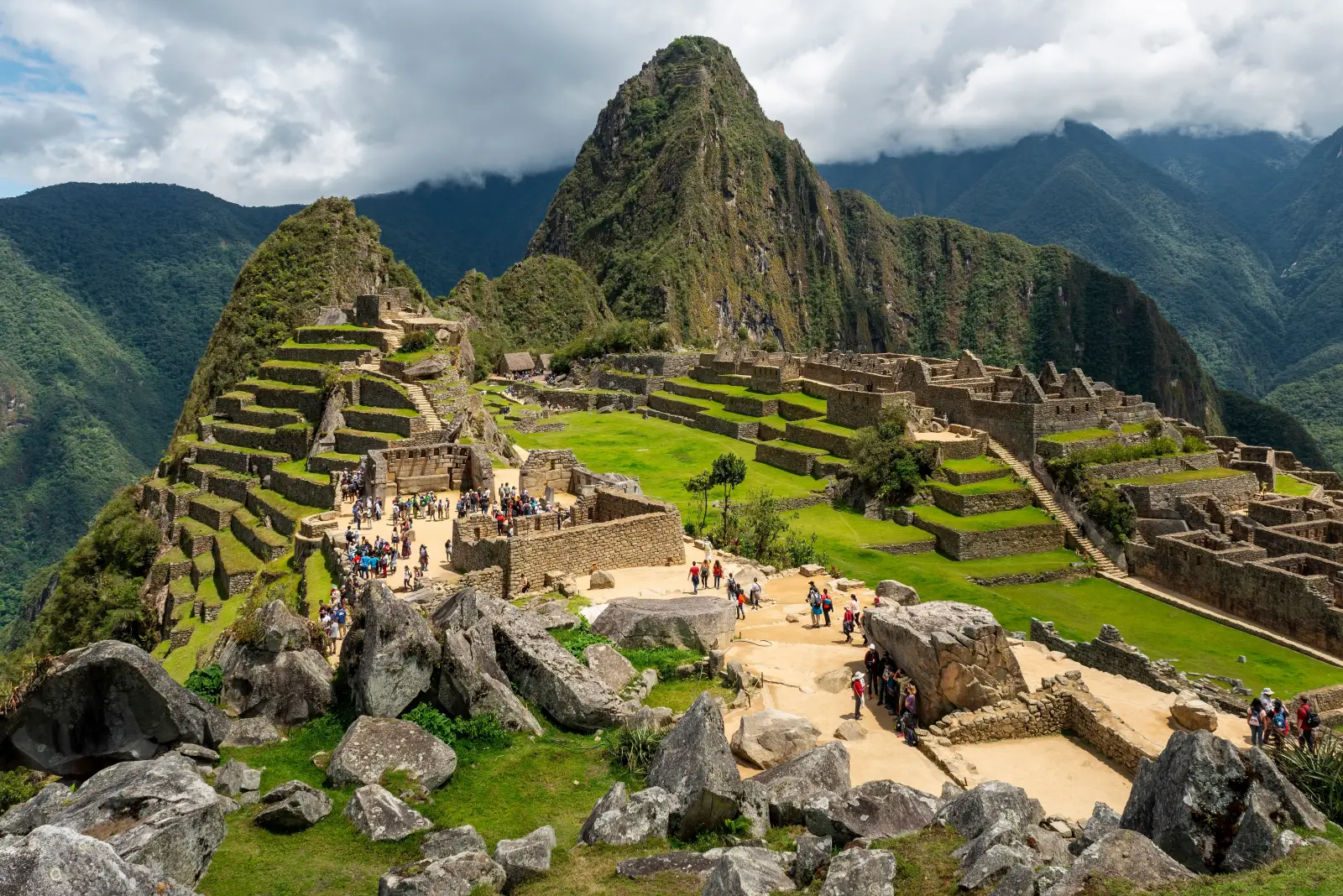
Peruvian authorities evacuated about 1,600 tourists from Machu Picchu after protests over transport concessions escalated into violent clashes with police. Demonstrators blocked the train tracks connecting the UNESCO World Heritage site with the nearby town of Aguas Calientes, stranding hundreds of visitors.
Officials confirmed that roughly 1,400 tourists were evacuated overnight, with another 156 moved on Tuesday evening. Despite these efforts, around 900 tourists remained stuck in Aguas Calientes as rail services stayed suspended due to ongoing blockades.
Clashes Leave Officers Injured
The protests were sparked by the expiration of Consettur’s concession to provide bus services to Machu Picchu and disagreements over how a new operator would be chosen. Protesters placed rocks and logs on the train tracks, blocking the main route to the site. Police attempting to clear the blockades clashed with demonstrators, leaving 14 officers injured, according to a police statement.
Rail services between Ollantaytambo and Aguas Calientes, the only direct link to Machu Picchu, were suspended. Authorities said the evacuation of foreign visitors was necessary for safety reasons. Helicopter evacuations were considered, but officials noted that poor weather conditions limited their use.
International Tourists Affected
The evacuated tourists included nationals from France, Japan, the United States, Brazil, Germany, Poland, and Portugal. Many were transported to safer areas, but further evacuations depended on the reopening of rail access. Local media reported that several groups of visitors continued to wait in Aguas Calientes for transport out of the area.
Machu Picchu, which receives more than 1 million visitors annually, is a cornerstone of Peru’s tourism sector. The ongoing protests raise concerns about disruptions to international travel and the economic impact on the region. Authorities have not provided a timetable for when normal train services to the site will resume.
The Ministry of Culture advised travelers to monitor official announcements and postpone visits until stability is restored. The unrest highlights tensions between local communities, government agencies, and private companies over control and access to one of South America’s most iconic destinations.
Photo Credit: SL-Photography / Shutterstock.com