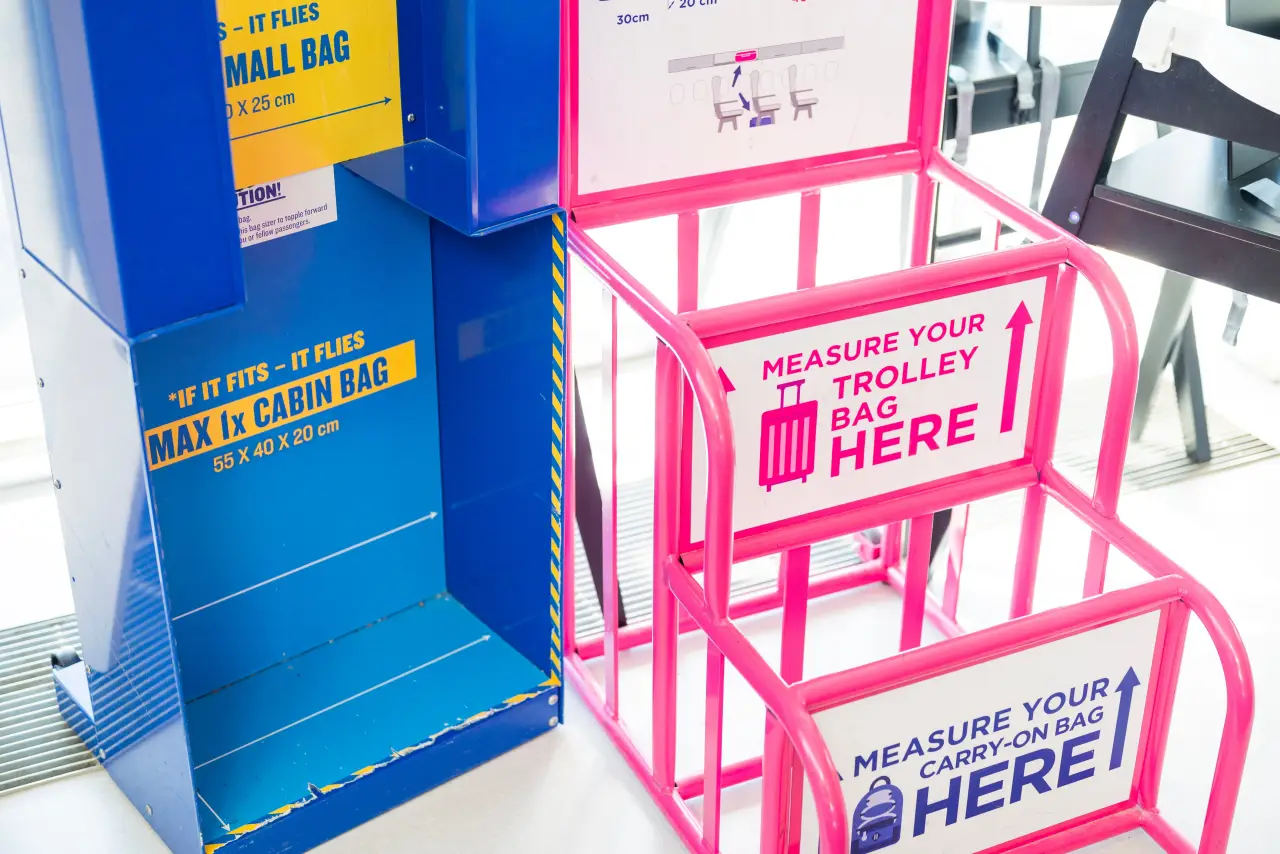
The Spanish Ministry of Consumer Affairs imposed fines totaling €179 million in November 2024 on five low-cost airlines — Ryanair, Vueling, EasyJet, Norwegian, and Volotea — for what it described as “abusive practices.”
The penalties were linked to charges for hand luggage, seat selection fees for passengers accompanying children or dependents, and other add-on costs. The dispute has since escalated into a wider conflict between the Spanish government and the airlines, reaching the European Commission in Brussels.
The practice of unbundling fares, where passengers pay only for the services they require such as checked luggage, priority boarding, or in-flight catering, is a hallmark of the low-cost model.
Airlines argue that the system allows them to maintain lower base fares and provide flexibility to travelers. However, regulators are increasingly scrutinizing the weight of these ancillary charges in airline revenues and questioning whether certain fees cross the line into unfair practices.
Ryanair at the Center of the Dispute
Ryanair received the largest penalty of the five carriers, amounting to €107 million. The Irish airline has long been the dominant low-cost operator in Europe and reported €4.72 billion in ancillary revenues for the fiscal year ending March 31, 2025. That figure represented 34% of its total revenue of €13.95 billion. A decade earlier, ancillary income was only €1.13 billion, or 24% of total turnover.
The increase reflects a sharp rise in earnings per passenger. Ryanair now generates an additional €23.57 per traveler in ancillary sales compared to €15.39 ten years ago. These revenues include seat reservations, priority boarding, onboard sales, and other optional services. However, Ryanair’s reporting excludes cabin baggage fees, which are counted in general revenue, making it harder to assess their full impact.
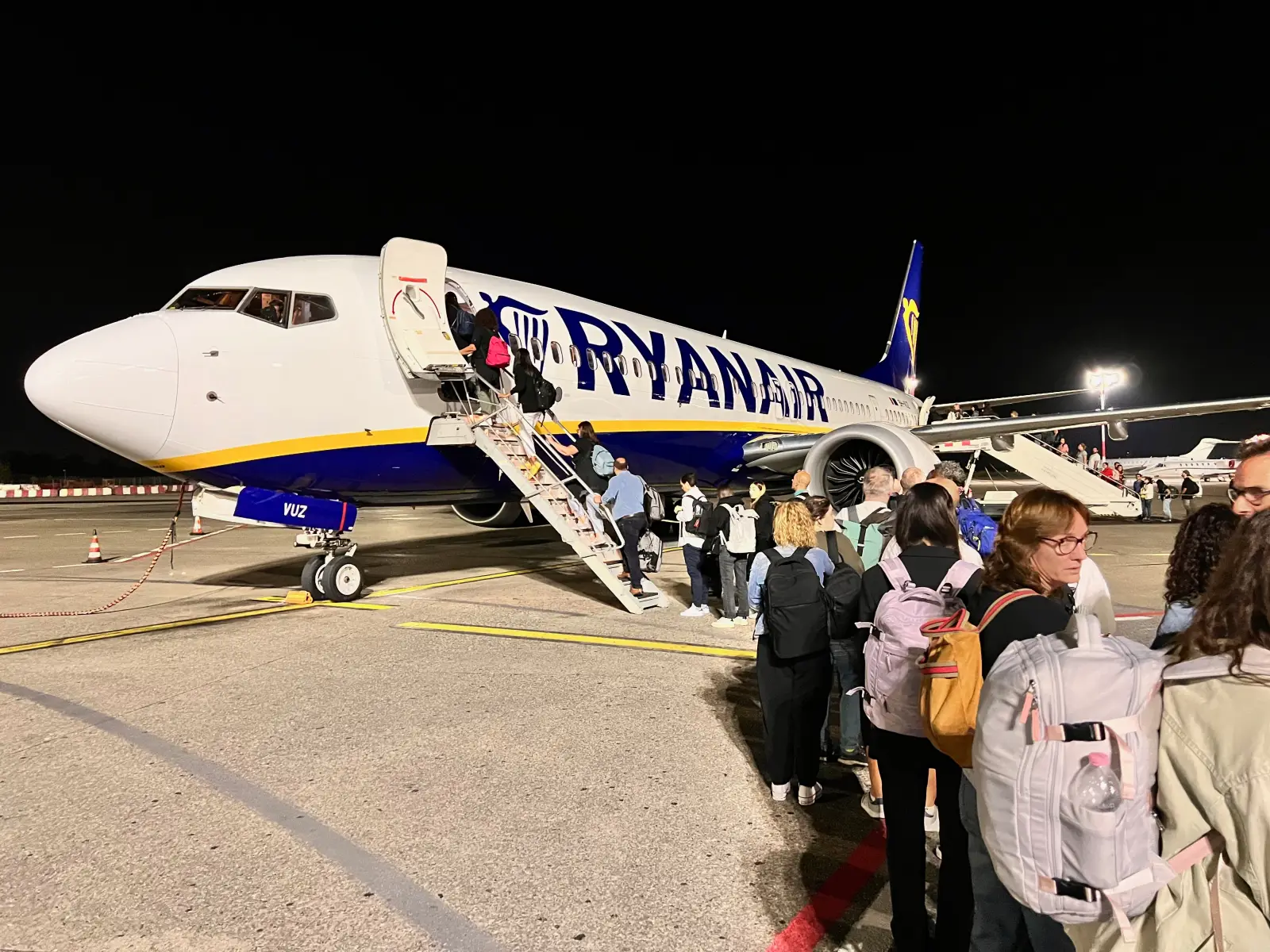
Ryanair introduced its cabin baggage policy in November 2018, limiting passengers to one small personal item measuring 25x40x20 centimeters while requiring fees for standard wheeled cabin bags. At the time, the company said the measure aimed to “reduce delays” rather than generate profit. In its latest fiscal year, the airline reported €9.23 billion in general revenue, double the amount recorded in 2015.
EasyJet and Other Carriers’ Revenue Models
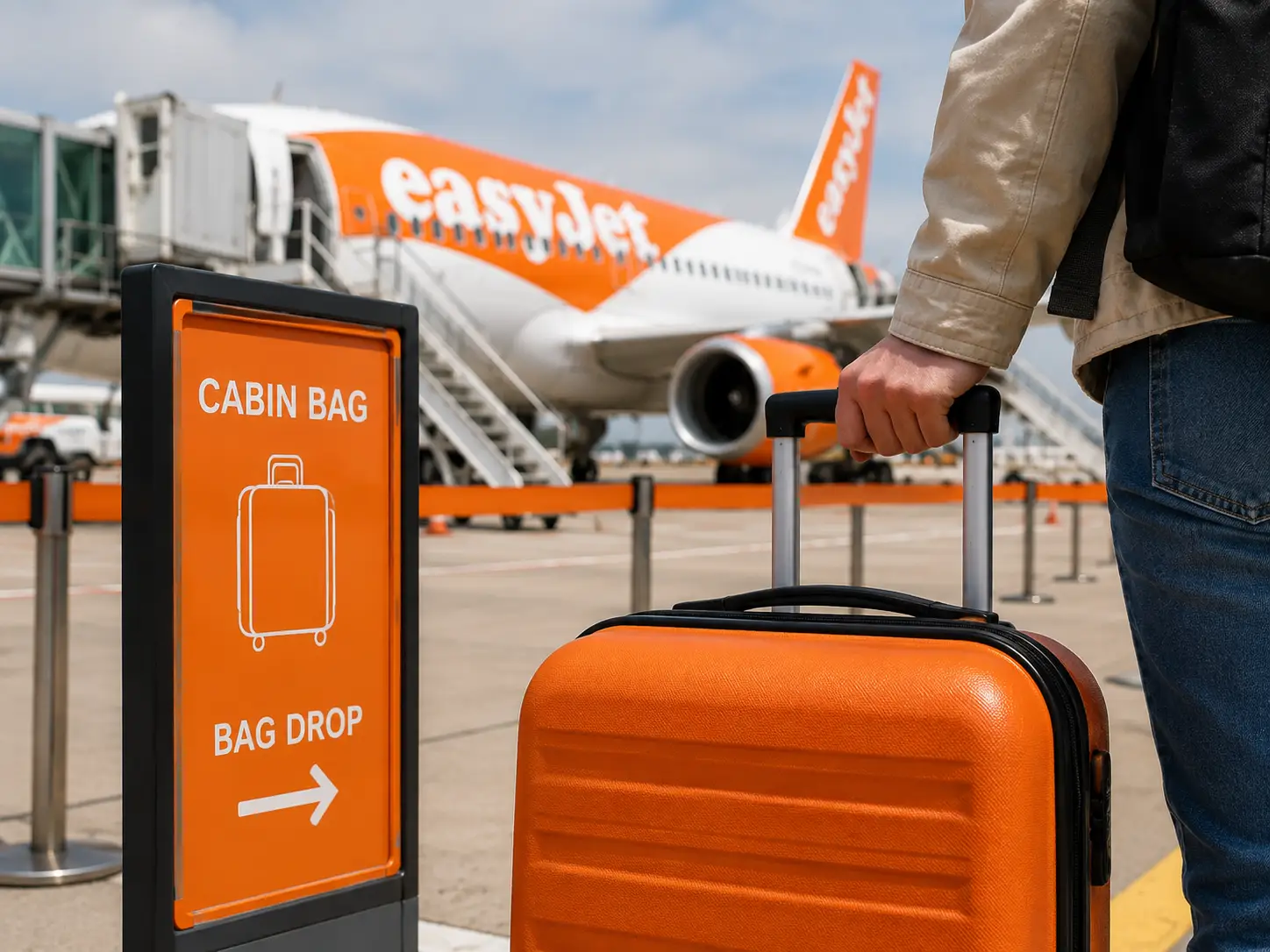
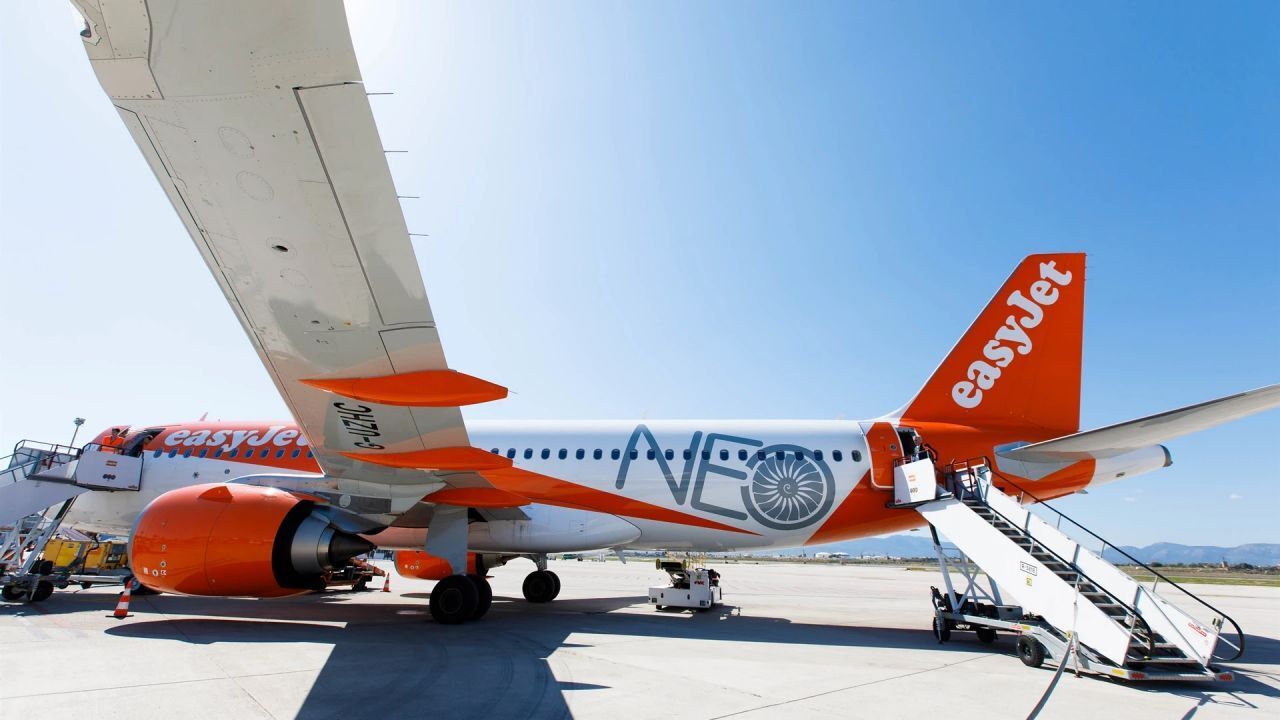
EasyJet, Europe’s other leading low-cost carrier, reported £2.46 billion (€2.83 billion) in ancillary income for the fiscal year ending September 30, 2024. These revenues represented 26% of its £9.39 billion (€10.80 billion) in total revenue. The airline includes hand luggage fees in its ancillary figures, unlike Ryanair.
EasyJet attributed the growth of 13% in ancillary income over the previous year to “a higher number of passengers and improved profitability.” The company noted, “The hand luggage and our leisure packages, among other ancillary products, have continued to generate incremental revenue during the period, benefiting from positive results obtained through price optimization.”
The airline began charging for cabin baggage in November 2020, shortly after the COVID-19 pandemic disrupted global travel. Ancillary revenue initially fell by 35% in 2021 due to reduced capacity but rebounded strongly as passenger numbers recovered. In 2024, EasyJet reported ancillary income of £24.45 (€28.13) per passenger, reflecting strong uptake of add-on services.
Norwegian, another fined carrier, reported €380 million in ancillary revenues in 2024, equivalent to 15.5% of its total €2.45 billion in turnover. Its ancillary sales include charges for baggage, seat reservations, and premium upgrades. In contrast, its regional subsidiary Widerøe generated €625 million in total revenue with little contribution from ancillary streams, underscoring differing strategies within the same group.
Combined, the Norwegian Group earned €395 million in ancillary revenues in 2024, up 25% year-on-year, accounting for 13% of its total turnover of €3.05 billion. The figures highlight the group’s growing reliance on non-ticket sales despite differences between its airlines.
Opaque Reporting by Vueling and Volotea
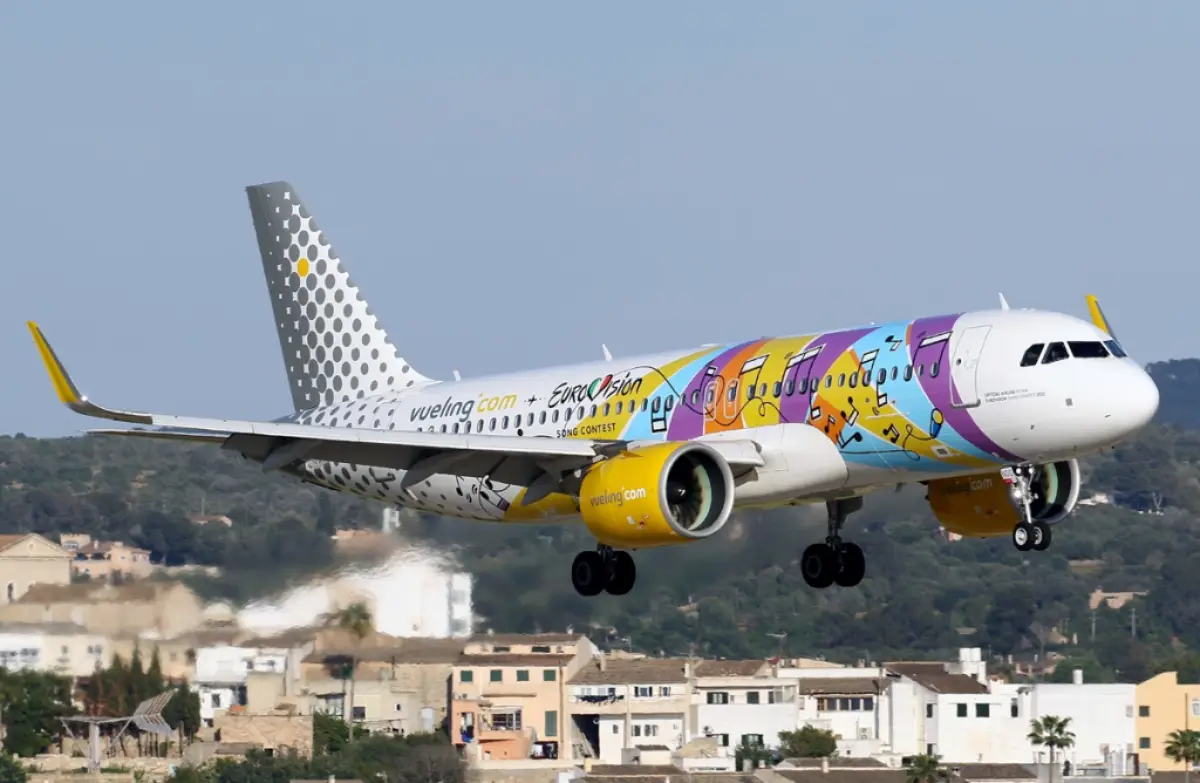
Vueling and Volotea, also fined by the Spanish ministry, do not disclose ancillary revenues separately. As non-listed companies, they have greater flexibility in financial reporting. Vueling, part of International Airlines Group (IAG), reported total revenues of €3.24 billion in 2024, a 2% increase on the previous year. Volotea, founded by the creators of Vueling, posted €811 million in revenue in 2024, up 17% from 2023.
The lack of transparency makes it difficult to assess the weight of ancillary sales in their business models. However, industry observers note that both airlines have adopted similar pricing structures to their peers, including charges for baggage and seat selection.
Regulatory and Industry Implications
The fines underscore growing regulatory pressure on low-cost carriers in Europe as governments weigh consumer rights against the industry’s low-fare model. Spain’s decision has triggered appeals and lobbying at the European level, with airlines defending their right to unbundle fares and charge for extras. The outcome could shape regulatory standards across the EU and influence how airlines structure their business models in the future.
While airlines argue that ancillary fees are essential for profitability and competitive pricing, consumer advocates contend that certain charges are unavoidable for most passengers and should be included in base fares. The case illustrates the tension between affordability, transparency, and fairness in Europe’s highly competitive aviation market.
The Spanish government’s confrontation with airlines marks one of the most significant regulatory challenges to low-cost carriers in recent years. As appeals move forward, the issue is expected to remain under scrutiny from both national and European authorities, with potential implications for millions of passengers across the continent.