Global spending patterns among high-income consumers are shifting from luxury goods to experiential travel, according to new data and industry analyses.
Despite weakening demand for designer fashion, accessories, and other personal luxury items, spending on premium travel, high-end accommodation, and exclusive experiences continues to rise worldwide.
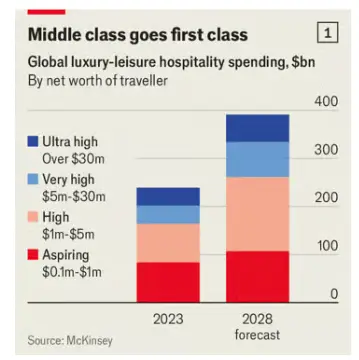
Reports from consulting firms Bain & Company and McKinsey indicate a divergence in the luxury sector. Bain forecasts a 2–5% drop in global sales of personal luxury goods in 2025, reflecting consumer caution and declining interest in conspicuous consumption. In contrast, McKinsey projects global spending on luxury accommodation to surpass USD 390 billion by 2028, up from USD 240 billion in 2023. The shift reflects a growing preference among affluent travelers for experiences that provide authenticity and status without material excess.
Experiences Replace Objects as Luxury’s Core
Analysts note that while luxury retail faces a slowdown, the travel sector continues to benefit from a post-pandemic appetite for freedom and indulgence. The Economist recently reported that hotels such as London’s Brown’s—where suites exceed GBP 6,000 (USD 8,100) per night—remain busy despite broader economic uncertainty. The publication described bustling lobbies and premium-priced cocktails as evidence that wealthy travelers are spending willingly on comfort and exclusivity.
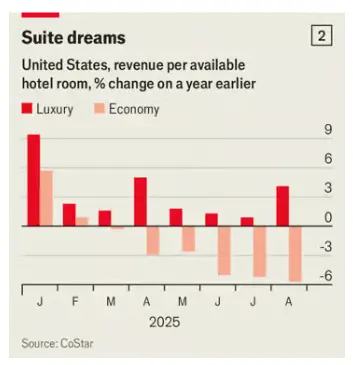
“The luxury market is undergoing a structural change,” the report noted, citing how global consumers now favor “unique, one-time experiences” over possessions. The number of high-net-worth individuals purchasing designer handbags and shoes has declined, while bookings for five-star hotels, private jets, and bespoke adventure tours continue to increase. Travel data firm CoStar reported that revenue per available room in luxury hotels has outperformed other segments every month in 2025 compared with 2024.
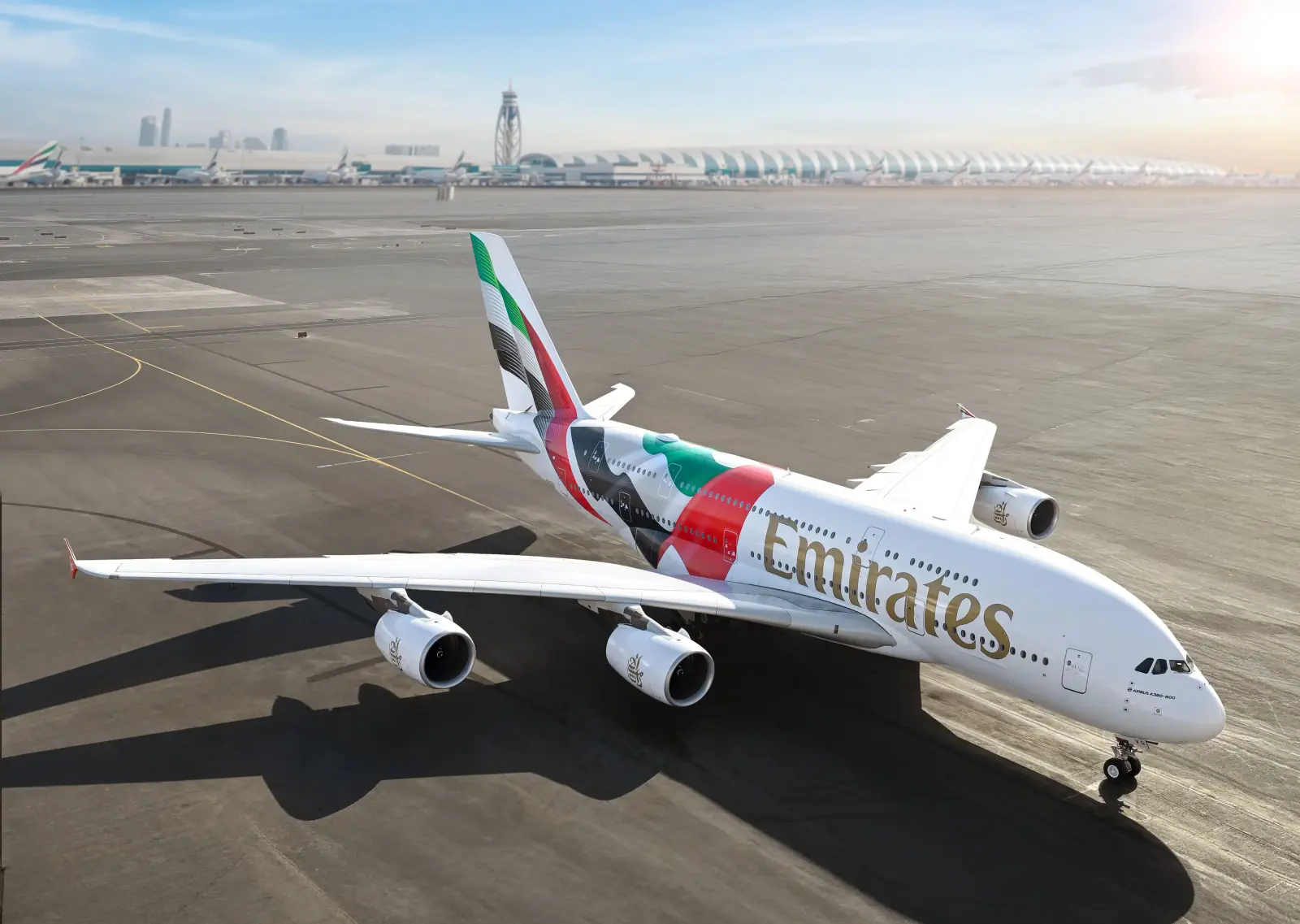
Air travel trends reflect the same dynamic. Chase Travel, a subsidiary of JPMorgan Chase, recorded more than a 20% annual increase in first-class and business-class bookings between June and August 2025. Aviation analytics company IBA expects approximately 820 private jets to be delivered globally this year—a 7.3% rise from 2024—signaling sustained investment in personal air travel.
Luxury Brands Move Into Hospitality
Major fashion and jewelry houses are responding to the trend by expanding into hospitality and travel. Bvlgari and Armani now operate branded hotels, while LVMH, owner of Louis Vuitton and Fendi, recently launched a Belmond luxury sleeper train in the United Kingdom. The company is also partnering with Accor to introduce a 230-metre Orient Express yacht with 54 suites, scheduled to depart from France in 2026. Dolce & Gabbana and Burberry have similarly collaborated with resort groups to open branded beach clubs and temporary boutiques targeting affluent travelers.
Accor Group CEO Sébastien Bazin said his company plans to increase the share of revenue from its luxury portfolio from roughly 35% today to 50% by 2030. The group owns upscale brands such as Sofitel, Fairmont, and Raffles, alongside mid-range chains like Ibis. Bazin described luxury hospitality as a strategic growth driver that reflects evolving consumer expectations for personalized, high-value experiences.
“Guests are looking for meaning and connection,” he told analysts earlier this year. “They want memorable stays that go beyond accommodation.”
Social Media and the ‘Aspirational Escape’
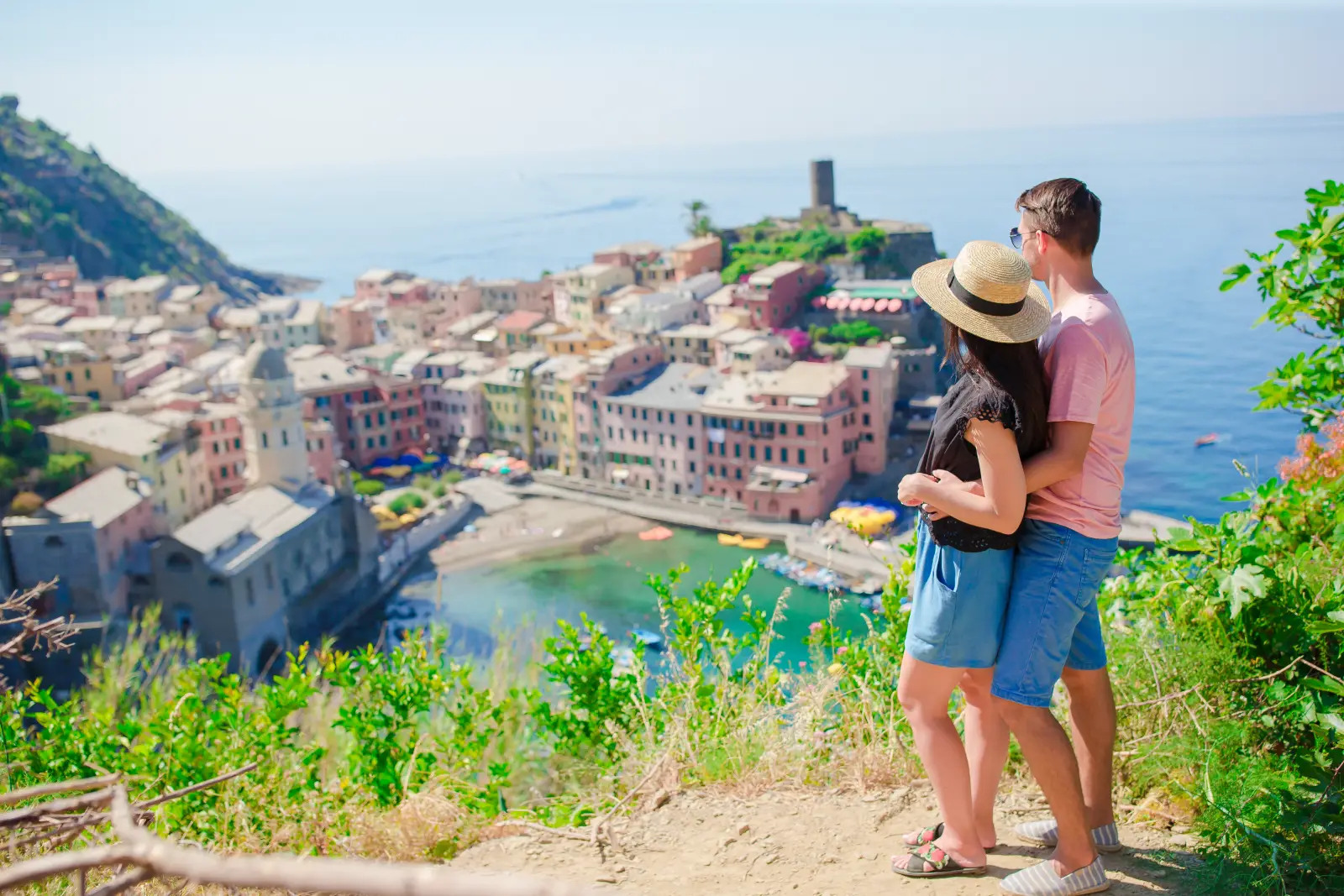
Market experts attribute part of the shift to changing forms of social status. Bernstein analyst Richard Clarke observed that designer apparel and handbags have become accessible to upper-middle-class consumers worldwide, reducing their exclusivity. In contrast, a one-off journey costing thousands per day—such as a private safari or Antarctic expedition—still conveys rarity and prestige. Social media platforms amplify this effect, allowing travelers to showcase unique experiences rather than possessions.
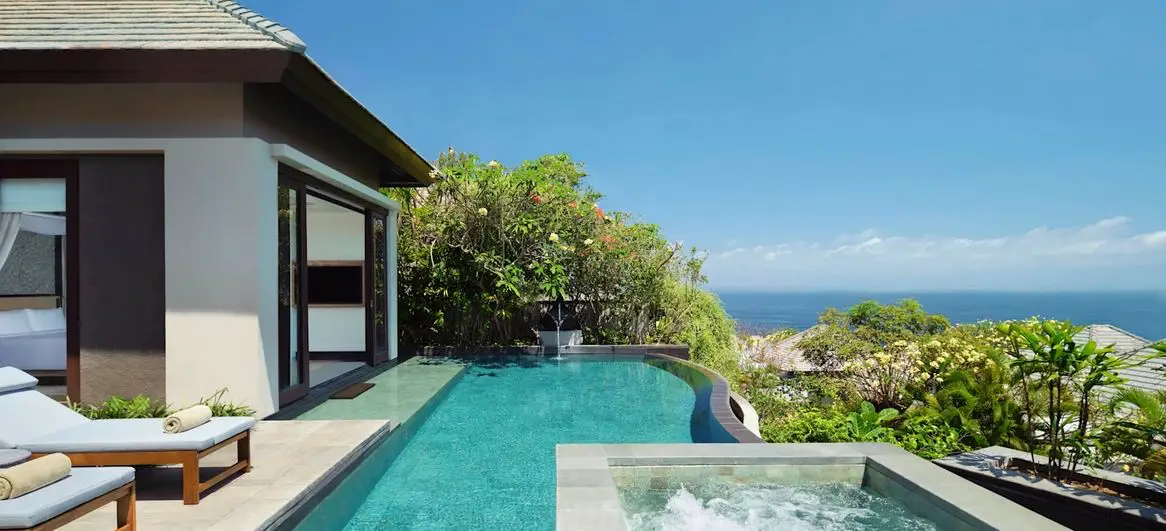
However, the rapid growth of luxury hospitality carries risks similar to those once faced by fashion brands. Bain warns that as hotels expand aggressively to capture “aspirational” customers, they risk diluting exclusivity. CoStar estimates the global supply of luxury hotel rooms will rise from 1.8 million to nearly 2.2 million by 2030, outpacing all other market segments. In London alone, Savills projects 18,750 existing luxury rooms and another 1,618 under development as brands including Rosewood, Six Senses, and Auberge add new properties.
Pricing trends also echo the fashion industry’s approach. After the pandemic, many luxury labels increased prices sharply. Hotels are following suit: CoStar found that while occupancy rates in luxury properties were slightly lower than in 2024, higher room rates sustained revenue growth. Industry observers caution that sustained price hikes could undermine customer loyalty if travelers begin to feel overcharged for perceived value.
Lessons from Heritage Brands
Executives and analysts point to Hermès as a model for maintaining luxury appeal. The Paris-based fashion house—still controlled by its founding family—keeps production limited, price increases moderate, and quality standards high, ensuring long-term desirability. Similarly, boutique hotel groups such as Rocco Forte Hotels are adopting a restrained growth strategy. The family-owned firm operates just 15 properties, focusing on craftsmanship and personal service. Staff at its flagship Brown’s Hotel greet guests by name, aiming to create a sense of intimacy that distinguishes true luxury from mass affluence.
“Personal touch may be the answer at a time when many are questioning what luxury really means,” the Economist article concluded. Analysts say that brands capable of balancing expansion with exclusivity are likely to dominate the next phase of the high-end travel market.
For now, the data suggest that the world’s wealthy are redirecting their spending from wardrobes to world tours. The definition of luxury, once measured by possessions, is increasingly defined by access—to places, experiences, and the sense of being part of something rare. As global uncertainty persists, it is the promise of experience, not ownership, that continues to drive the luxury economy forward.