A nationwide general strike has brought Belgium to a standstill, grounding flights, halting public transport, and disrupting essential services as tens of thousands of people joined protests against planned public spending cuts by the coalition government of Prime Minister Bart De Wever.
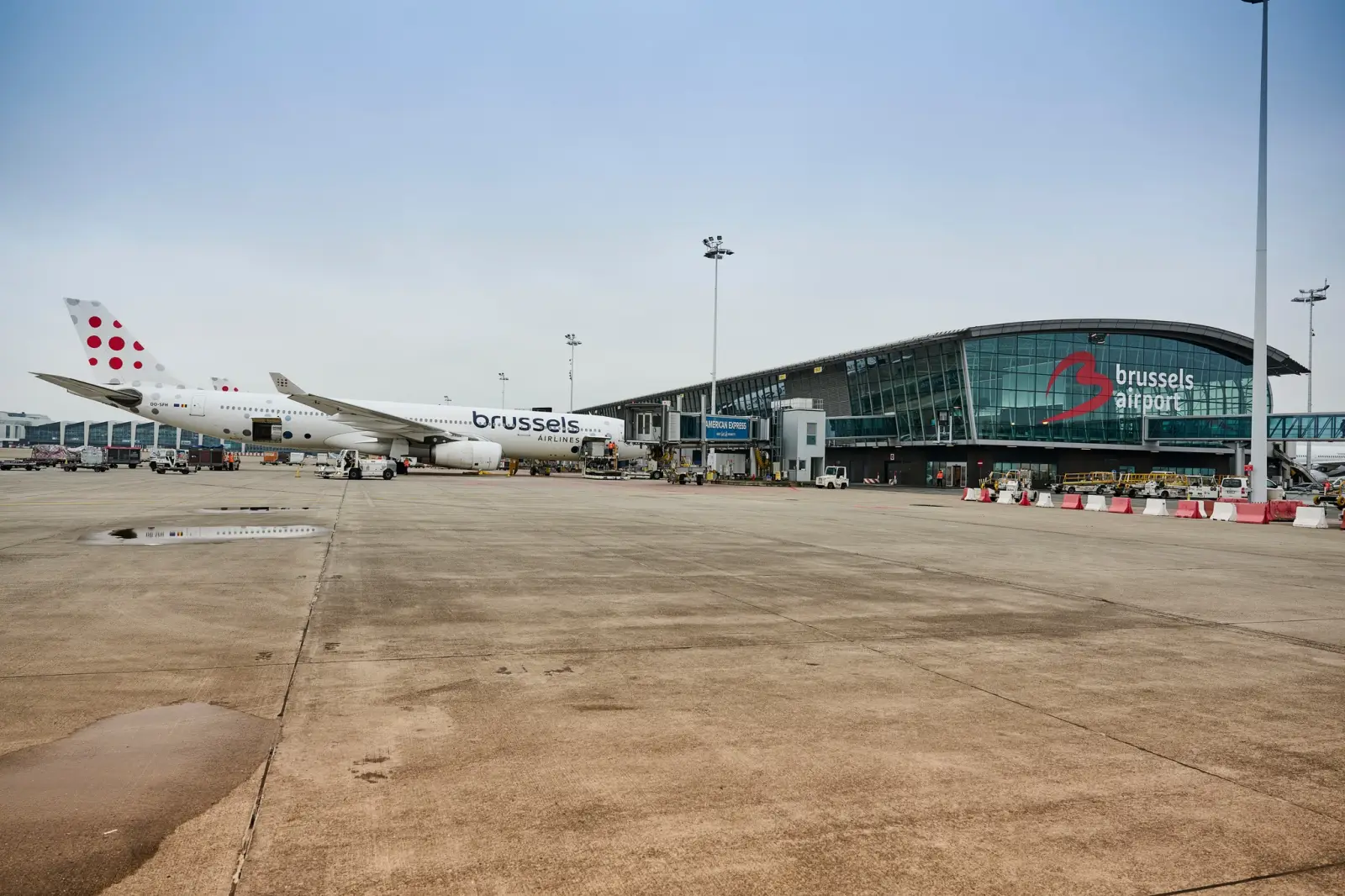
The strike, led by Belgium’s main trade unions, caused major delays across the country on Tuesday, with all flights from Brussels South Charleroi Airport and Brussels Airport in Zaventem suspended. The action comes amid growing opposition to De Wever’s fiscal and labor reforms, which unions argue will weaken social protections and increase inequality.
Transport and Services Severely Disrupted
Both major airports in Belgium were forced to cancel departures, while all arriving flights at Charleroi were grounded, affecting thousands of travelers. In Brussels, the majority of metro, bus, and tram services were suspended as protest marches advanced through the city center, according to local media reports.
Other public services were also disrupted, with municipal waste collection halted and public offices closed. Strikes extended to all Belgian prisons, where police officers were deployed to maintain order and ensure basic needs were met. The Red Cross assisted in distributing meals to inmates, Belgian media reported.
Authorities reported multiple arrests in Brussels after incidents of vandalism, small fires, and clashes with police near the city’s inner ring road. Riot officers intervened in the center of the capital as masked demonstrators confronted authorities. Several people were treated for minor injuries at the scene, according to reports.
Political Tensions and Economic Context
The industrial action marks one of the largest nationwide strikes since De Wever’s government took office in February, following months of unrest over his right-leaning coalition’s proposed austerity measures. The coalition has introduced plans to reform pensions and labor laws, which unions say undermine workers’ rights and threaten the welfare state.
Union leaders called for “a fairer budget that does not punish workers,” urging the government to reconsider planned reductions in public spending. Demonstrators gathered in Brussels to demand stronger protections for lower- and middle-income households as inflation and living costs remain elevated.
The strike coincided with renewed pressure on the government after De Wever postponed a key parliamentary address scheduled for Tuesday, citing failure to reach an agreement on the national budget. The delay underscores divisions within the governing coalition and the scale of resistance from organized labor.
Belgium’s budget deficit stood at 4.5% of GDP at the end of 2024, while national debt exceeded 100% of GDP—well above the European Union’s fiscal thresholds of a 3% deficit and 60% debt ratio. The government has pledged to reduce the deficit in line with EU rules but has not yet announced concrete new spending cuts or tax increases.
While some transport and services are expected to resume later in the week, unions have warned that further action may follow if the government does not revise its fiscal plan. Travelers have been advised to check with airlines and transport operators for schedule updates, as authorities continue to assess damage from Tuesday’s unrest.